 Follow Us on Google News
 Follow Us on Google Discover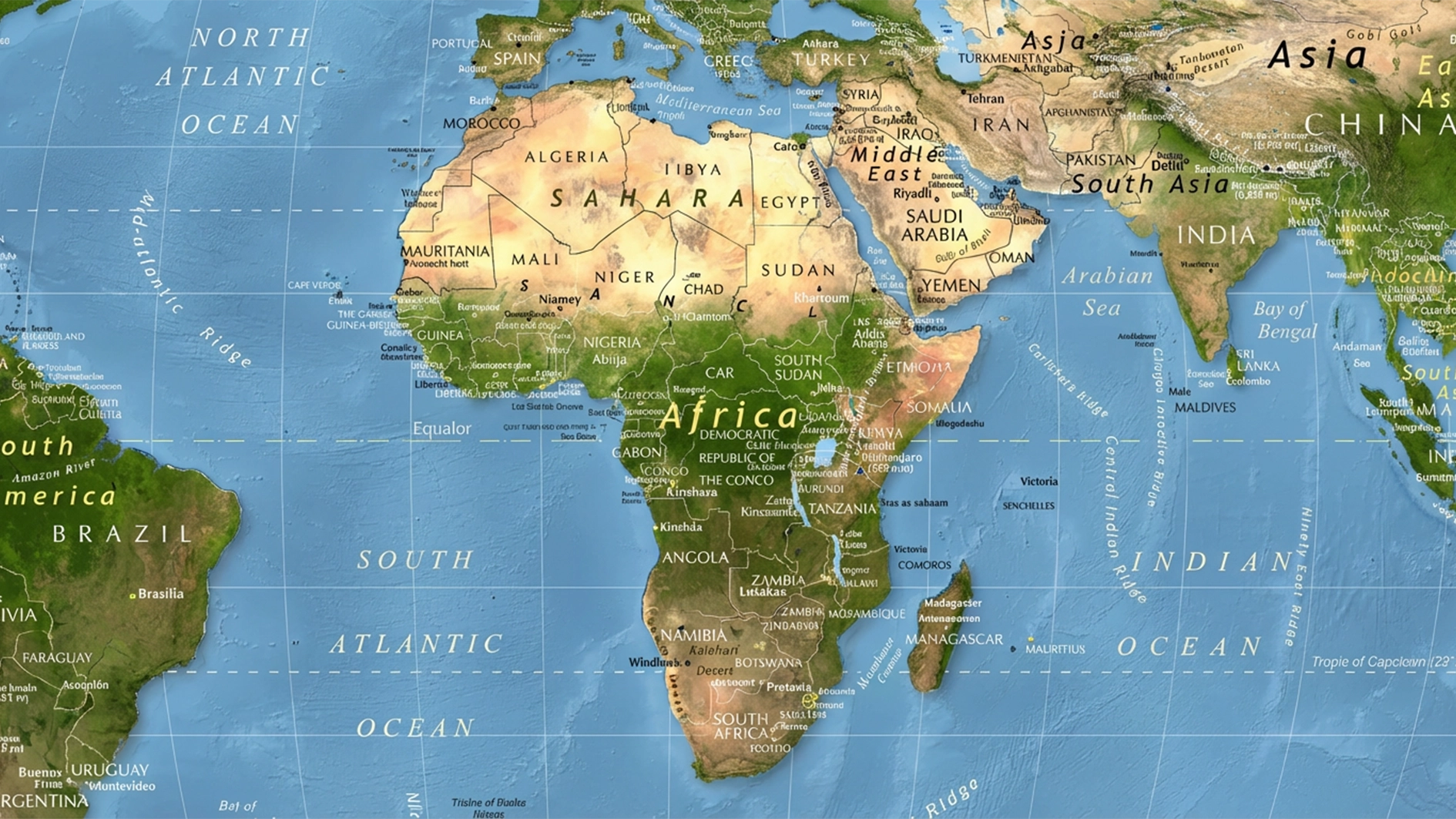
Efforts to counter transnational organisations and networks in Africa are no longer confined to proscription orders or terrorist designations.
Instead, they have entered a new phase that targets the financial infrastructure sustaining these groups and enabling their operations across multiple countries.
Rather than focusing solely on individual operatives or isolated branches, recent US sanctions and African legislation have increasingly sought to dismantle the financial and logistical ecosystems underpinning the Muslim Brotherhood’s transnational networks, reflecting a growing recognition that disrupting funding streams is more effective than pursuing individuals or front organisations alone.
The recent US sanctions imposed on senior Muslim Brotherhood figure Mahmoud Al Abyari are therefore about far more than penalising a single individual.
They target a multilayered financial network allegedly reliant on cross-border fundraising, charitable fronts, and opaque banking channels used to conceal and transfer funds across several jurisdictions.
The objective is to cut off the organisation’s financial lifelines rather than merely respond to the consequences of its activities. Alongside this American approach, Kenya had already moved towards a broader legislative framework by outlawing the Muslim Brotherhood in September 2025 under the Terrorism Prevention Order 2025.

The legislation goes well beyond banning the organisation’s public activities. It criminalises membership, financial support, fundraising and the promotion of the group’s activities, while granting security authorities extensive powers to freeze assets, prohibit meetings, prosecute those associated with the organisation and dismantle its financial and logistical networks.
The significance of Kenya’s decision extends well beyond its borders. As one of the Horn of Africa’s leading states, with a sizeable Muslim population spread across numerous regions and communities, Kenya’s move could encourage other African countries to reassess the Brotherhood’s presence and adopt similar measures.
The geographic sequence linking Egypt, Sudan, the Horn of Africa, and Kenya also appears far from coincidental.
Instead, it reflects the interconnected routes through which the Brotherhood’s financial networks have operated. Egypt remains the movement’s principal organisational centre, from which communication and funding channels are managed, while Sudan, designated by the United States as a state sponsor of terrorism in March 2026, represents a strategic transit corridor into the Horn of Africa.
Kenya, in turn, has been viewed as a potential transit or destination point for these networks in East Africa before moving to close that avenue through legislation months ahead of the latest US sanctions.
Viewed together, the chronological and geographic sequence makes the American and Kenyan measures mutually reinforcing, each targeting a different layer of the organisation’s structure.
Washington is focused on senior leadership and transnational financial networks, including associations and front entities allegedly used to move funds across borders.
Kenya, meanwhile, is concentrating on disrupting domestic operations by targeting recruitment, fundraising, meetings and logistical support networks operating on the ground.
These developments are expected to have broader implications for financial flows across Africa, particularly after the US Department of the Treasury warned international financial institutions against conducting business with individuals and entities placed under sanctions.
This significantly increases the risks associated with any transactions passing through the international financial system, especially those denominated in US dollars, involving African entities linked to such networks, exposing them to potential asset freezes or secondary sanctions.
At the same time, tighter scrutiny of formal financial channels could encourage some networks to seek alternative methods of moving funds through informal financial mechanisms or by establishing new charitable organisations under different names to obscure funding routes.
Kenya’s legislation appears designed to anticipate precisely this scenario by granting security agencies broad authority to dismantle financial and logistical networks before they can reorganise or reconstitute themselves.
Taken together, these developments suggest that efforts to confront the Muslim Brotherhood in Africa have entered a qualitatively different phase, one centred on disrupting financial lifelines rather than relying primarily on ideological designation.
While the United States is concentrating on senior leaders and transnational entities, Kenya is focused on dismantling local recruitment and financing networks.
Together, these complementary approaches tighten pressure on the organisation from opposite ends of the continent: from the north through pressure on financial networks extending from Egypt, Sudan and Libya, and from the east through Kenya’s legislative framework in the Horn of Africa.
This evolving strategy may ultimately compel the organisation’s regional branches to seek new financial and organisational safe havens in African countries that have yet to adopt comparable measures.
By: Ahmed Abdelwahid
Ahmed Abdelwahid is an Abuja-based policy analyst.

