 Follow Us on Google News


 Follow Us on Google Discover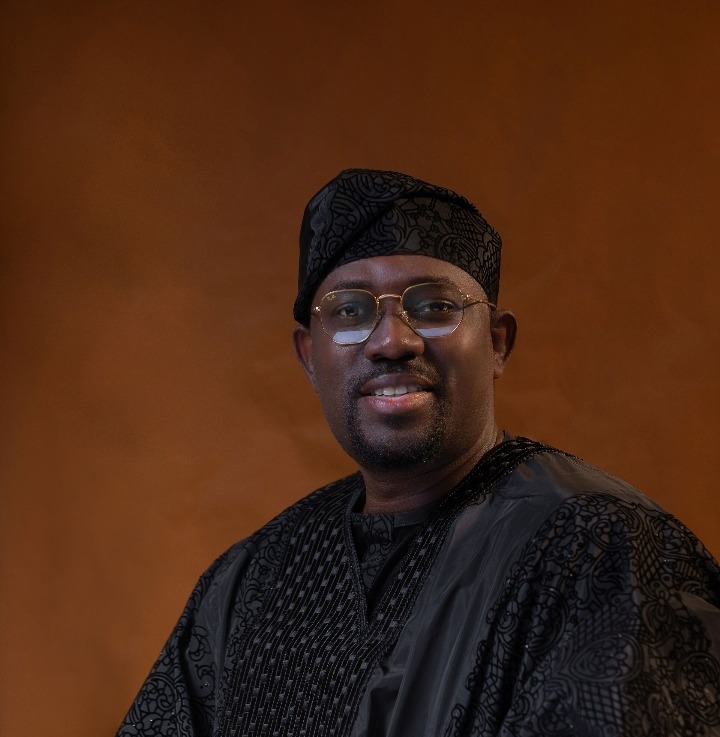
In a country where politics often overshadows purpose, and ambition sometimes chokes out empathy, it is refreshing—almost revolutionary—to encounter a man like Jide Akinyemi. Not just a name that echoes through the communities of Ekiti State, Akinyemi represents something deeper: a return to the ideals that once made nation-building an honourable pursuit in Nigeria. His story is not that of privilege or pedigree, but of purpose.
At a time when many are disillusioned with leadership, Jide Akinyemi has chosen a different path—one rooted in people, not politics. A grassroots builder in every sense of the word, he is not waiting to hold office before making an impact. He is doing the work already: showing up in underserved communities, meeting the everyday Nigerian where they are, and offering practical, life-changing support. He reminds us of the spirit of June 12 and of Moshood Kashimawo Abiola—not just in name, but in action.
A Life Rooted in Service
Born in Odo-Ayedun, a quiet town in Ekiti State, Jide Akinyemi’s upbringing was not one of luxury, but of learning—learning to listen, to care, and to respond. From St. Louis Primary School in Akure to the University of Ado Ekiti, and later into the diplomatic corridors of the Brazilian Consulate in Lagos, his journey has always been laced with one consistent thread: service.
It is this deep understanding of people and community that shaped the vision behind the Jide Akinyemi Foundation (JAF). For many, foundations are symbolic—good for photos and press releases. But for Akinyemi, JAF is not a charity. It is a commitment. It was born out of what he saw daily: students dropping out because they couldn’t afford tuition, rural clinics with no medication or mental health services, and gifted youths whose talents were slowly dying for lack of opportunity.
Today, JAF is not just one of the most visible NGOs in Ekiti State—it is one of the most credible. The Foundation has quietly and consistently stepped into the breach where government systems fall short. Over 500 scholarships have been awarded, keeping children in school and dreams alive. More than 10,000 people—many of them women and the elderly—have benefitted from health outreaches, especially around mental health, a topic often stigmatized in our society but courageously championed by Akinyemi.
Youth Empowerment: Skill is Not Enough
Jide Akinyemi believes that Nigeria’s youth do not lack talent—they lack platforms. That belief drives JAF’s training initiatives, which have equipped over 1,000 young people and women in tailoring, tech, agribusiness, and other sustainable skills. These aren’t just token programs. They are practical, measurable interventions that help people stand on their own feet. In a country with a youth unemployment rate hovering above 30%, this is not just development—it is deliverance.
Unlike many who engage youth for votes and vanish afterward, Akinyemi’s model is long-term. It’s about building people, not structures. In his words, “You can’t build a strong nation if your people are weak. Empower the people first—the rest will follow.”
That philosophy may sound idealistic in today’s Nigeria, but if history has taught us anything, it is that visionary ideas, when pursued with integrity, outlive regimes. It was that same mindset that inspired MKO Abiola’s wide-reaching philanthropy during the June 12 struggle. Abiola didn’t wait for political office to invest in people. He made people his office. Jide Akinyemi walks in that same spirit.
Leadership Without Bitterness
One of the most telling things about Akinyemi’s rise is his approach to leadership. He is not combative. He is not desperate. He is focused. In a time when political conversations are often laced with insults, bitterness, and blind partisanship, Akinyemi’s language is different. He speaks of vision, of values, of verifiable impact.
He is not anti-politics—but he is unapologetically pro-people.
It is this clarity that positions him not just as a credible candidate for leadership, but a relatable one. The teacher in Ido Ekiti sees in him a man who understands school fees are a struggle. The young woman in Omuo who just learned tailoring through JAF sees a brother who genuinely cares. The youth corps member serving in Ikere-Ekiti sees a future where someone in power actually remembers what it means to be powerless.
Beyond Partisanship, Toward Purpose
In many ways, Akinyemi’s politics—if you can call it that—is a politics of purpose. He is not interested in being a figurehead; he wants to be a figure of help. That may not sit well with the traditional machinery of Nigerian politics, but it resonates with the people. And in the end, it is the people who matter.
His commitment to Ekiti’s development is not contingent on winning an election. It is his life’s mission. He has become a voice for mental health, community-based education reform, and a new model of youth empowerment. Whether he is invited to speak at digital summits, partnering with local churches for outreach, or quietly paying the hospital bills of strangers, Jide Akinyemi is showing Nigeria a different way to lead.

He is the kind of leader Nigeria needs more of—present, prepared, and principled.
A Modern Echo of June 12.
Oluwaseyi Ajadi, a Communication writes from Lagos

