 Follow Us on Google News


 Follow Us on Google Discover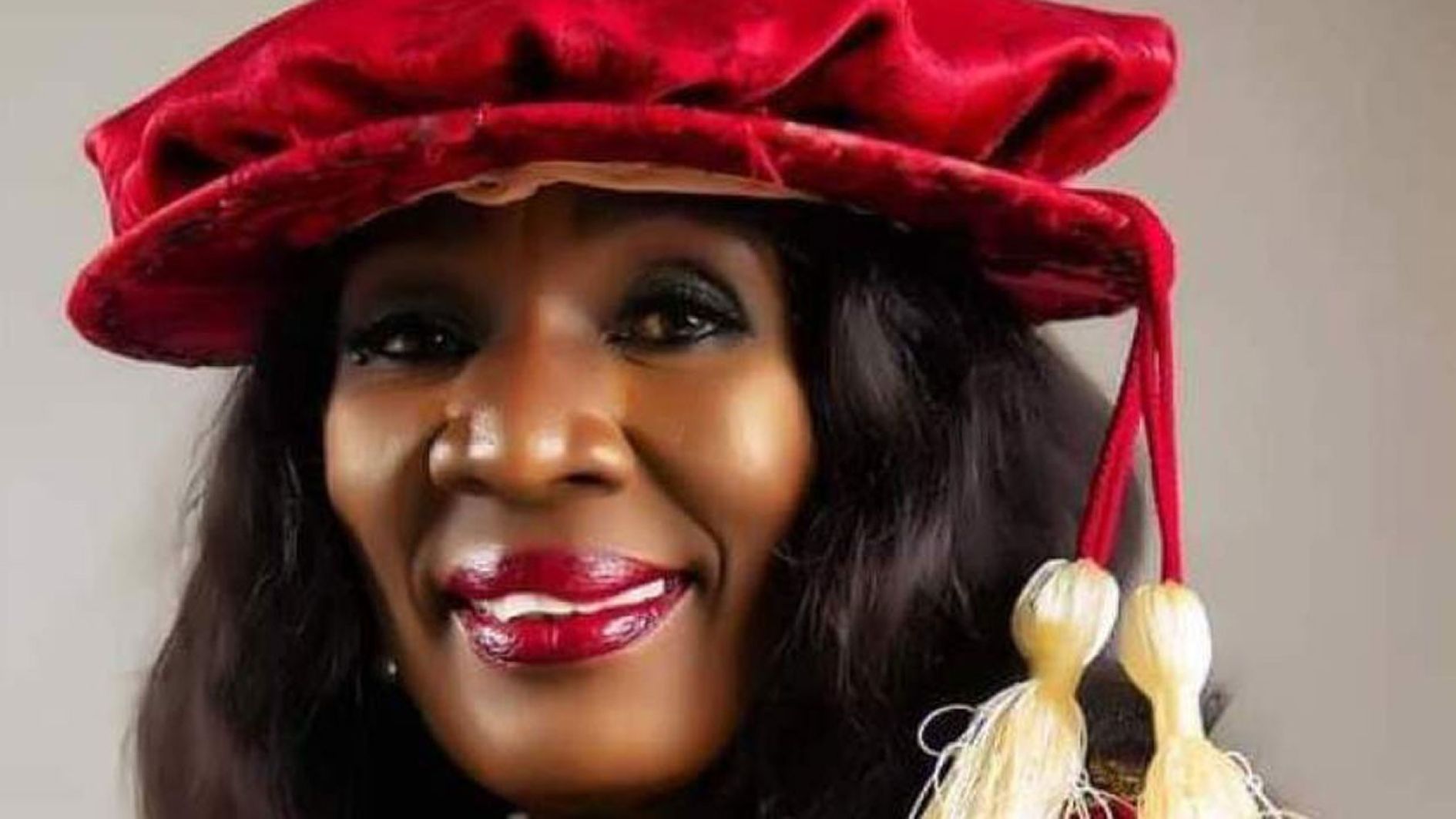
By Joshua Nwachukwu
Sir: Professor Nnenna Oti is once again in the news, this time following her immortalisation by Governor Alex Otti, who recently renamed the newly commissioned Umuahia Central Bus Terminal after her. While the gesture is commendable, whether the public will consistently refer to the terminal as the “Nnenna Oti Bus Terminal” remains to be seen.
For those who may not remember, Prof. Oti served as the Independent National Electoral Commission (INEC) Returning Officer in Abia State during the 2023 governorship election, where she declared Governor Alex Otti winner of the election.
As many would recall, the collation process in Abia State was tense and prolonged, creating uncertainty and anxiety among the electorate. In the course of announcing the results, Prof. Oti made the now famous declaration:
“I shall stand squarely and unapologetically on these principles. The people’s votes and mandate shall stand. The pastor and the mother in me will not permit me to do anything that will adversely affect the future of our children.”
Her remarks earned widespread commendation, with many Nigerians praising her courage and integrity. Given Governor Otti’s widely acknowledged performance in office over the past years, some have even credited Prof. Oti’s firmness with helping to usher in what they regard as a new era of governance in Abia State. The argument is simple: had she yielded to pressure and declared a different outcome, Abia might not be experiencing its present trajectory.

More significantly, during the heroic reception organised in her honour at the Federal University of Technology, Owerri (FUTO), Prof. Oti revealed the extent of the pressure allegedly mounted against her.
Who threatened her? Who offered her money? Who attempted to intimidate a senior academic entrusted with one of the most sensitive responsibilities in Nigeria’s democracy? Why has no one been investigated, arrested, prosecuted, or publicly identified to this day?
These are not idle questions. They strike at the heart of the credibility of Nigeria’s electoral process.
In our rush to celebrate Prof. Oti’s bravery, we may have unintentionally ignored the more disturbing implication of her testimony: that powerful interests apparently believed the election result could be bought, manipulated, or coerced. That alone should deeply concern INEC and every Nigerian committed to democratic governance.
If INEC is truly serious about conducting independent and credible elections, then the focus should not end with praising officials who resist pressure. The Commission must also explain the safeguards it has put in place to protect Returning Officers from harassment, intimidation, and inducement.
Equally important, what mechanisms exist to prevent these same officials from abusing the enormous powers entrusted to them? Which, when wielded either wrongly, as is often alleged, or rightly, inevitably ends up being challenged in court.
If Prof. Oti resisted pressure, there is every reason to suspect that many other Returning Officers face similar pressure during elections. The uncomfortable possibility is that while some resist, others may succumb. That reality explains why politicians have become increasingly interested in influencing the appointment of Vice-Chancellors of public universities, from where many Returning Officers are drawn.
The danger is obvious. A compromised Vice-Chancellor can produce compromised electoral result.
In a democracy where “those who count the votes often matter more than those who cast them” politicians will naturally seek to infiltrate and capture every institution connected to the electoral process, the judiciary, INEC, the police, and now, increasingly, the vice-chancellors.
Until these institutional vulnerabilities are addressed, the integrity of Nigeria’s elections will remain vulnerable, regardless of the occasional emergence of courageous individuals like Prof. Oti.
Joshua Nwachukwu is a Lagos-based legal practitioner.

