 Follow Us on Google News
 Follow Us on Google Discover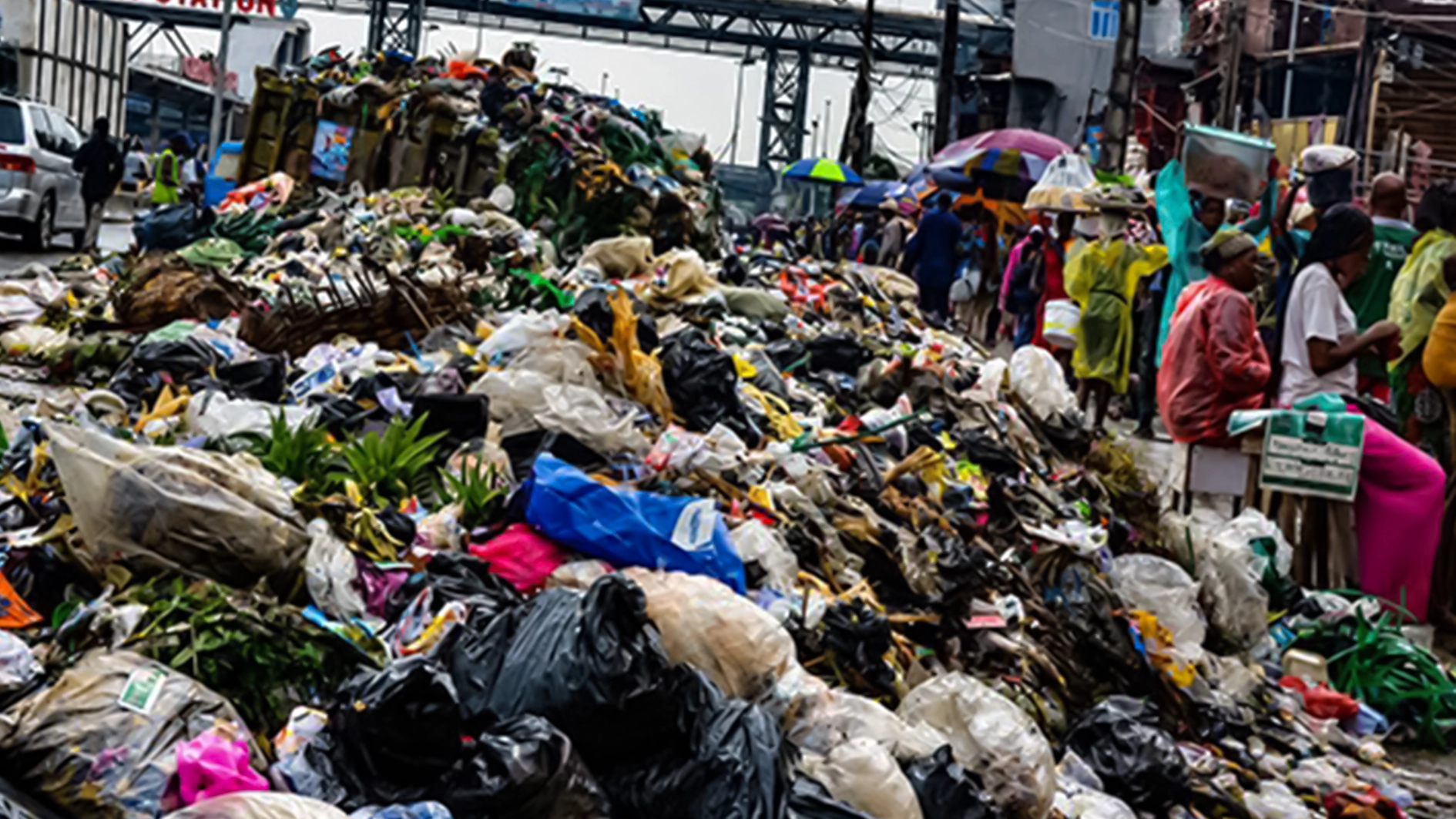
By Donald Ikenna Ofoegbu
Environmental degradation in Nigeria is inseparable from corruption. Pollution frequently begins with an official signature: a licence issued without adequate scrutiny, an assessment approved despite serious gaps, a prohibited shipment cleared at a port, an inspection report altered, or a sanction quietly withdrawn.
When officials place private gain above public safety, environmental regulations become commodities for sale. Corporations learn that political access is more valuable than compliance. Communities learn that their constitutional rights can be traded for personal benefit. This is the negative multiplier effect of corrupt leadership.
Once senior officials demonstrate that rules can be suspended for politically connected investors, regulators further down the system receive the same message. Inspectors become afraid to act expect payment before acting. Consultants produce favourable reports. Local authorities silence community complaints. Security agencies protect company facilities while citizens protesting pollution are treated as threats.
In such a system, Nigeria becomes a dumping ground for three interconnected things: waste, corporate misconduct and official corruption.
People living in project locations are not expendable populations occupying land required for investment. They are citizens with rights. Communities must receive complete and understandable information about proposed projects before approval. Technical documents should be translated into accessible language and, where necessary, local languages. Consultations must include women, young people, persons with disabilities, farmers, fishers and groups whose livelihoods depend directly on the affected environment.
Consultation cannot mean inviting selected traditional leaders to a hotel, collecting signatures and presenting the exercise as community consent. Nor should community representatives be handpicked by companies or political authorities.
For projects involving substantial land acquisition, displacement, toxic materials or serious environmental risk, Nigeria should apply a clear standard of free, prior and informed consent. Communities must be able to obtain independent legal and scientific advice. They must also have functioning grievance mechanisms and access to courts without intimidation or prohibitive costs.
What Nigeria must do now? Nigeria can reverse this pattern, but the response must go beyond speeches and ceremonial environmental campaigns.
Responsibility must begin with the Federal Ministry of Environment, led by Minister Balarabe Abbas Lawal. Its Environmental Assessment Department, headed by Mrs. R. A. Odetoro, should require every major investor to disclose its international record on pollution, emissions, litigation, workplace safety, human rights and community disputes. The department must ensure that environmental and social impact assessments are independently prepared, publicly disclosed and reviewed before approvals are granted not after political commitments have been made.
The National Environmental Standards and Regulations Enforcement Agency, led by Professor Innocent Barikor, must monitor companies after approval, conduct unannounced inspections, publish violations and enforce sanctions. State ministries of environment and local governments must complement this work by monitoring conditions within host communities and responding promptly to complaints about pollution, unsafe waste disposal and public-health risks.
The Nigeria Customs Service, led by Comptroller-General Adewale Adeniyi, should work with NESREA, the Nigerian Ports Authority and port health officials to track and inspect shipments of used electronics, batteries, chemicals and other potentially hazardous materials. Importers and exporters not Nigerian taxpayers- must bear the cost of returning illegal, falsely declared or non-functional shipments.
The National Assembly should strengthen the Environmental Impact Assessment Act by providing clear rules on corporate due diligence, community consultation, environmental bonds, compulsory liability insurance, compensation and remediation.
The Federal Ministry of Justice, led by the Attorney-General of the Federation, Lateef Fagbemi, should ensure that officials who approve fraudulent assessments, conceal violations or accept bribes are prosecuted. Companies that falsify environmental information or repeatedly violate standards should face substantial fines, licence cancellation and exclusion from public contracts.
Affected communities must also have enforceable rights to information, participation, independent advice, compensation and appeal. High-risk companies should deposit environmental performance bonds before commencing operations so that funds are available for emergency response, compensation and ecological restoration. Nigeria must welcome responsible investment, but no amount of capital should purchase exemption from its environmental laws or transfer private corporate liabilities to the public.
Nigeria cannot claim to be the Giant of Africa while acting as a rubber stamp for every investor carrying a large cheque. National dignity is not expressed through slogans, motorcades or ceremonial receptions. It is demonstrated by the capacity to
protect citizens, enforce standards and tell even the most powerful corporation: You must obey our laws.
We should welcome responsible investment, useful technology and genuine partnerships. But we must reject investments that depend on regulatory weakness, community dispossession, environmental destruction or political corruption.
Nigeria is not a wasteland. Nigerians are not expendable. Our rivers, forests, farmland and communities are not commodities that public officials may secretly exchange for personal enrichment.
The choice before us is clear: Nigeria can remain a destination where the world sends what it no longer wants and corporations practise what they cannot defend elsewhere, or it can build a regulatory system that places human life above political connections and corporate profit.
Nigeria must choose dignity. It must choose accountability. It must choose life.
Concluded
Ofoegbu is a sustainable development expert and environmental activist and campaigner.

