 Follow Us on Google News


 Follow Us on Google Discover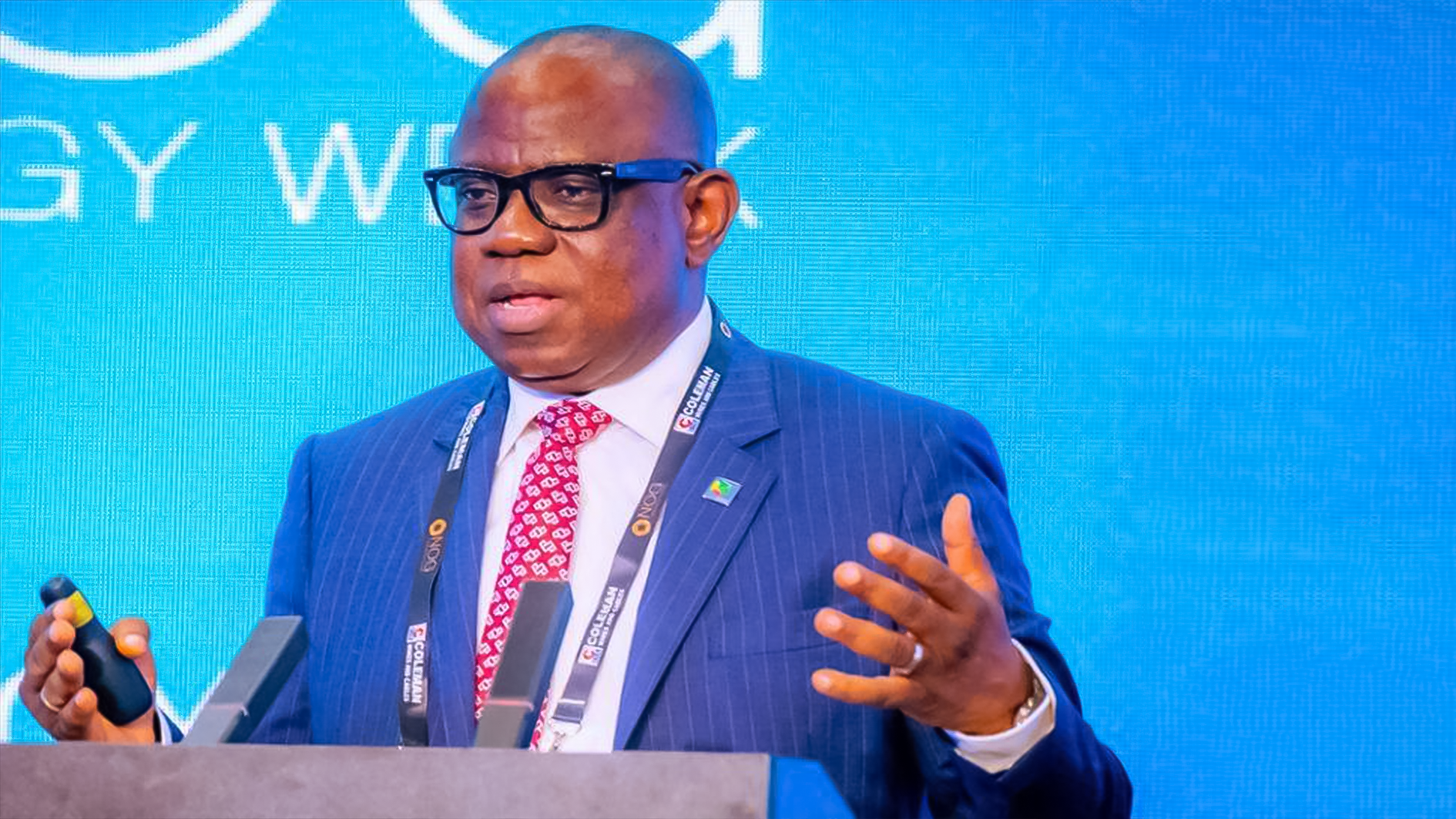
By Samuel Caulcrick
The Hon. Minister of Power, Joseph Olasunkanmi Tegbe, told the Lagos Chamber of Commerce and Industry’s 2026 Renewable Outlook Conference that Nigeria is moving ahead with its Energy Transition Plan (ETP).
Globally, the energy transition is about cutting carbon to slow climate change. In Nigeria, it must also solve a basic problem: energy poverty. With a deficit measured in millions of unserved households and MSMEs, the order in which we transition will determine whether we grow or shrink.
We are prioritising the wrong end of the market
Current ETP signals point to prioritising grid electricity for heavy manufacturers ahead of households and small businesses. On paper, this looks pro-growth. In practice, it will not deliver Pareto efficiency.
The Nigerian industry has already adapted. Faced with grid failure, manufacturers invested in captive diesel and gas systems. Large gas turbines and diesel generators are efficient at scale, so firms absorb the capital cost to protect output.
Households and MSMEs did not have that luxury. They depend on petrol generators because small petrol gensets are cheap to buy, portable, and sold on every street. That is the real energy base of the economy. It is also the most inefficient and fiscally expensive.

Why petrol dependence is the core problem
Three structural factors explain it.
First, energy architectures are split. Industry runs on diesel and gas at scale. MSMEs and homes run on petrol on a small scale because the upfront cost is low and distribution is everywhere.
Second, petrol has a fiscal cost. Subsidising or protecting off-road petrol consumption for households and MSMEs drained public revenues. At its peak, the PMS subsidy cost the government as much as N18.4 billion daily. Removing it frees funds, but only if we replace the fuel, not just the subsidy.
Third, competitiveness. LCCI’s position is that savings from ending off-road PMS use should be redirected to infrastructure that discounts energy bills for producers. Lower energy cost makes locally made goods competitive against imports. That logic holds, but it assumes industry is the binding constraint. For most of the economy, the constraint is petrol.
The gas supply risk
Diesel is widely available, but natural gas is not. Gas volumes fluctuate, and pipeline access is unreliable. Because of this, manufacturers run parallel systems: gas when available, diesel as backup. That raises cost, complicates operations, and limits the impact of any grid power we send to industry.
Flip the sequence: Households and MSMEs first
Nigeria must reduce off-road petrol use without crashing economic activity. The fastest way is to invert the ETP sequence.
Instead of sending scarce grid power first to factories that already have alternatives, deploy it first to the millions of businesses and homes still running on petrol. Replace 5kVA to 50kVA petrol gensets with distributed solar, CNG, or mini-grids in MSME clusters and residential areas.
This does three things at once. It cuts emissions because small petrol gensets are dirty and inefficient. It reduces forex pressure because petrol imports fall. And it raises disposable income for households and MSMEs, which expands demand and tax revenue.
Once that base is stabilised, we can backfill the industry with reliable gas or grid power at scale. Industry will get cleaner, cheaper power without carrying the burden of replacing petrol for the whole economy.
What this requires from the government and stakeholders
Targeted capital: Patient funding for MSME energy clusters, not just 132kV lines to industrial parks.
Fuel shift incentives: CNG conversion support and solar-battery packages that beat petrol on lifetime cost.
Distribution reform: DisCos must be measured on new connections to MSMEs and homes, not just loss reduction in feeder lines to big users.
Conclusion
Nigeria’s transition cannot be emissions first and growth later. It must be grown through a cleaner energy base.
Protecting manufacturers that have already adapted while leaving households and MSMEs on petrol is a transition that preserves inequality. Reducing off-road petrol use is urgent, but it only works if we give people and small businesses an alternative they can afford and trust.
Start the ETP where the petrol is. That is how Nigeria cuts carbon and grows output at the same time.
Caulcrick, the author of “Power In Nigeria, Will There Ever Be Light?” wrote from Lagos.

