 Follow Us on Google News


 Follow Us on Google Discover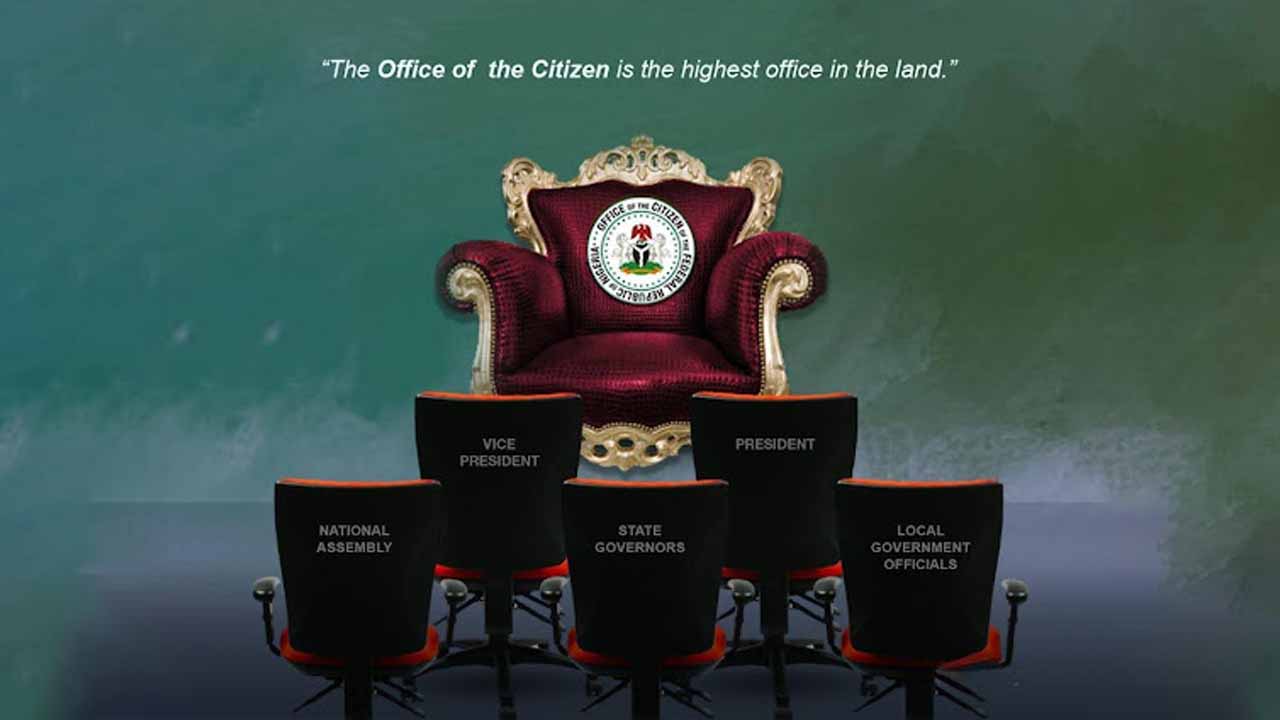

On May 29, 2023, amidst great anticipation, Bola Ahmed Tinubu was sworn in as President of the Federal Republic of Nigeria whilst twenty-eight other elected officials across Nigeria were sworn in as governors. All eyes were focused on President Bola Ahmed Tinubu and Vice President Kashim Shettima as they took their oath of office in Abuja, the Federal Capital Territory.
[ad]
President Tinubu’s inaugural speech touched on key areas, some of which were outlined in his campaign manifesto, “Renewed Hope 2023 — Action Plan for a Better Nigeria,” which offered insights into his plans for national security, the economy, agriculture, power, oil and gas, transportation, and education.
Nigeria is in dire need of positive change, and while we may not have hit rock bottom yet, recent years have been challenging. The state of various economic indices by the end of the tenure of the last government reveals as much and Nigerians desire a better quality of life.
We must strive to witness the effects of positive change as quickly as possible. As citizens, we all have expectations of our leaders, and I would like to share my expectations for both the president and the governors across Nigeria.
My Expectations of the President
Fuel Subsidy: This has been like a rope tied almost securely around our necks. Tight enough to restrain us, yet loose enough to ensure we continue breathing while restrained. President Tinubu briefly addressed this issue in his inaugural address and unfortunately, reactions to his speech included hoarding of petrol and arbitrary price increments which resulted in fuel queues.
NNPC Limited has released a new pump price for each state which has eased fuel scarcity. After that, another unofficial price increase has occurred.
Greater clarity is needed on the measures aimed at alleviating the impact of the fuel subsidy removal. Additionally, we must evaluate the petroleum sector comprehensively, including the importation of petrol, forex issues, and proper pricing. It is essential to outline a plan for our refineries and aim for self-sufficiency in crude oil refining. Should we ever expect Nigeria to refine its crude oil again?
[ad]
Presidential Communication: I miss the days when former presidents Obasanjo and Jonathan had media parleys. Some would argue that those sessions were staged with the personalities being briefed ahead of the event. Whether this was the case is not as important as the fact that those sessions were held. Open and accountable communication between the President and the people is crucial. Media parleys offer a sense of transparency and accountability.
President Buhari fared very poorly in connecting with the people. Hopefully, we see a different approach this time around with President Tinubu. I would also hope that his media aides engage constructively rather than resorting to attacks as their conduct reflects on the President. Hopefully, they can go high when others go low because people will always offer criticism.
Security: This is one of the most critical issues as it sometimes seems like there are pockets of unrest in every part of the nation. Terrorists here, bandits there, unknown gunmen over there, and one begins to wonder how safe we are. Addressing the various security threats across the nation is of utmost importance. We need a substantial overhaul of our security architecture to restore safety and stability to Nigeria, tackling issues such as terrorism, banditry, and other forms of unrest. The governors also have to work with the federal government to achieve our security objectives.
National Reorientation: The general election conducted earlier in the year exposed tribalistic and intolerant tendencies among Nigerians, including elected and appointed officials. Whatever happened to One Nigeria?
The government must address this behavior through educational reforms, starting with schools. Additionally, fair representation of all states in the appointment of ministers and heads of government agencies is crucial. National reorientation efforts must also involve collaboration with governors.
Reduction in Government Expenditure: The cost of governance in Nigeria is quite high, from the salaries and benefits packages that elected officials receive to the cost of maintaining governance structures and resulting inefficiencies in administration. I would love to see the president lead by example in reducing costs at the federal level with the hope that the states would follow.
Gains can be achieved by coalescing federal agencies with overlapping objectives, adopting technology to improve processes, and reducing foreign trips together with all the paraphernalia associated with such, just to mention a few. Also, the federal government must not have its finger in every pie when it can collaborate with the private sector to enhance operational efficiency and productivity.
[ad]
For the Governors
Viability of States: It is puzzling why many states solely depend on federal allocations. Governors should explore opportunities to generate additional revenue. We hear about Nigeria’s potential all the time, is that potential only vested in the federal government?
By capitalizing on their respective states’ competitive advantages and developing capacities in key areas, they can transform their states. For example, one state could become a medical tourism destination, while another could become the entertainment capital of Nigeria. All of our states are blessed with natural and human resources that we can enhance and profit from. I know that there are a lot more nuances to this expectation but these ideas are very achievable.
Recent constitutional amendments now offer states the opportunity to tap into some hereto-forbidden areas like power which now sits in the concurrent list. Imagine what each state can do when they take advantage of such opportunities.
When states take responsibility for their future, they can better contribute to Nigeria as a whole and perhaps the governors would not have to turn Abuja to their boy’s quarters. I hope there would be no excuses in the future.

Education: Globally, Nigeria has the highest rate of out-of-school children with over 20 million children outside the school system. Even those in public schools receive a substandard education. How did we get here?
State governments bear responsibility for primary and secondary education, and it is essential to address the issues that have led to this situation. Considering also that we have a large youth population, it is important to remember that many of them will arrive in the future without the basic knowledge and skills to thrive in society. Also, the increasing number of children out of school poses a societal threat as they can potentially be recruited for nefarious purposes.
More investments need to be made in the education sector such as improved teacher training and remuneration, properly equipped schools, and adoption of relevant technology and teaching aids can go a long way. We also need effective monitoring and assessment of educational standards to ensure significant improvement in education quality. By allocating adequate resources to education, the government can improve the overall literacy rate, enhance technical skills, and foster an educated workforce that meets the demands of a modern economy.
[ad]
Local Government Autonomy: Local governments are the closest form of governance to the people. They play a critical role in governance, including the development and maintenance of infrastructure, healthcare, markets, and motor parks to name a few. Many of the things we cry to the governor and president about are under their purview.
Sadly, while local governments may be autonomous in spirit; in reality, the chairpersons are often bound to the dictates of the governor, and this limits their decision-making and execution. Chairpersons still have to comply with the governor’s directives in many states, undermining their ability to serve the people effectively. Their autonomy should be respected and strengthened.
Local government chairpersons should however not be excused for this reason. The people should demand a higher level of accountability from them. If we expect and demand more, we should hopefully see greater results.
Nigeria’s progress will not happen overnight, but we can demand daily actions that contribute to positive change. There is so much more that our elected executives can focus on and achieve, but many of the issues I have discussed are the ones that I feel could potentially be swept under the carpet. We must hold our leaders accountable, supporting them while demanding transparency in their actions.
As citizens, we are responsible for shaping our future alongside our leaders. Let us embrace the Office of the Citizen and actively participate in our democracy. This is the way I see things today.
‘Gbubemi Atimomo is an HR & Business consultant and Entrepreneurship Advocate in Lagos. He is also the Founder of SideHustleNG and the Convener of The Spirit of Enterprise (TSOE) initiative, both of which are entrepreneurship advocacy platforms.
[ad]

