The difficult times that most Nigerians are going through as a result of removal of subsidy on petrol, and the attendant inflation thrown up, calls not only for understanding by all, but also sacrifice by both the leaders and the followers. In particular, leaders must lead by example to demonstrate commitment to turning the country around; and to assure the masses that everyone is together in this challenge. Many citizens have the impression now that only the masses are suffering while the leaders are merely ripping them off. President Bola Tinubu and his team must debunk this notion, if they genuinely want to curry the understanding of Nigerians.
Perhaps the avenue to kick off the mobilisation is the use to which the government puts money being saved and distributed among the three tiers of government, starting with the N907 billion recently shared among them. It is meant largely to provide infrastructure as a key measure to provide palliatives for the people.
Tinubu approved the establishment of an Infrastructure Support Fund (ISF) for the 36 states of the Federation as part of measures to cushion the effects of the petrol subsidy removal on the people. The approval was disclosed at the monthly meeting of the Federation Account Allocation Committee (FAAC) of July 20, 2023, in Abuja.
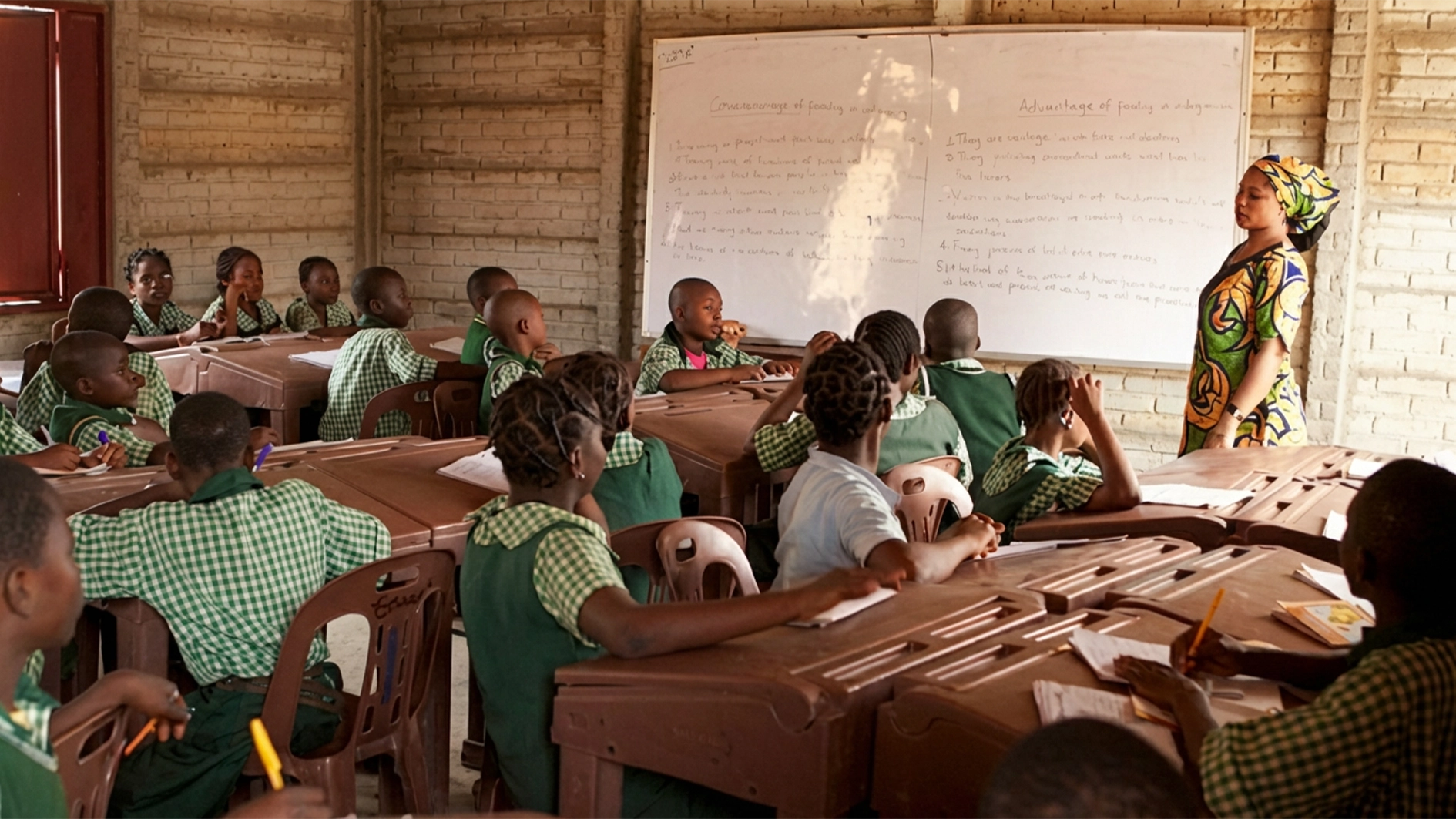
The new Infrastructure Fund will enable the states to intervene and invest in the critical areas of Transportation, including farm to market road improvements; Agriculture, encompassing livestock and ranching solutions; Health, with a focus on basic healthcare; Education, especially basic education; Power and Water Resources that will improve economic competitiveness, create jobs and deliver economic prosperity for Nigerians.
It is instructive that the tiers of government agreed to save N790 billion of the monthly distributable proceeds to minimise the impact of the increased revenues – occasioned by the subsidy removal and exchange rate unification – on money supply, as well as inflation and the exchange rate. The leaders must adopt a new style of governance that will truly make the people reap the benefits of subsidy termination.
Tinubu had observed that the country could no longer be providing other African nations with petrol, which Nigeria was subsidising with around N400 billion monthly and around N4.8 trillion yearly, as the product was being smuggled into neighbouring countries.
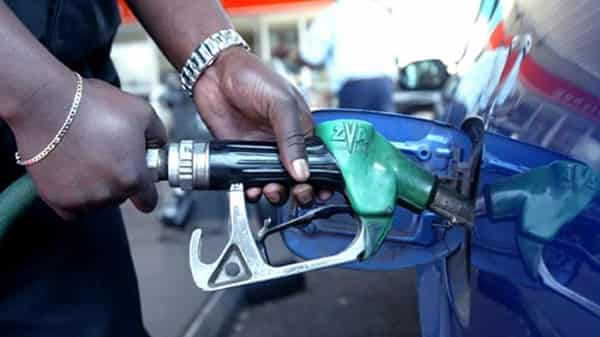
Expectedly, the increase in the pump price of petrol immediately caused an astronomical increase in the prices of goods and services, over which citizens are lamenting, as they await palliatives promised by the government. Petrol now sells for about N600 to N630 per litre across the country.
Fuel subsidy was introduced in Nigeria to cushion the effect of the oil price shock of 1973 caused by the resolution of the Organisation of Arab Petroleum Exporting Countries (OAPEC), consisting of the Arab members of the Organisation of Petroleum Exporting Countries (OPEC) plus Egypt and Syria, to stop exporting petroleum to nations, including the United States and its allies in Western Europe, that were supporting Israel in its then conflict with Syria and Egypt. Then, the subsidy was introduced with laudable intention to protect the generality of Nigerians. But in the course of time, it became a scheme benefitting a few powerful and influential people and the bane of the economy. Several past administrations struggled to cope with subsidy payment. They alerted the public to the fact that it would be difficult for the country to develop as long as subsidy remains, as money that ought to be spent to further expand the economy, provide infrastructure, adequately fund education and health sectors, boost food production and generate employment opportunities was being spent on subsidy payment that was replete with fraud. The situation threw Nigeria into seemingly perennial borrowing; and now she is groaning under huge debt being serviced with about 90 per cent of the nation’s income. Surely, to allow this situation to continue is inimical to the well-being of the country. But while Nigerians are being asked to persevere with the hard times in anticipation of relief and a better country soon, the government must work to fulfill its promise.
For a start, governments at all levels must make a paradigm shift from the old style of governance that is fraught with impunity, lack of transparency, visible insensitivity to the plight of the masses, negligence of crucial responsibilities and seemingly intractable corruption, among others. Governments at all levels must be transparent, creative, prudent, development-focused and accountable in spending windfall from subsidy removal, the pains of which Nigerians are now bearing.
Tinubu has a crucial responsibility of ensuring that the money made from subsidy removal does not go to private pockets of those who have mastered the callous act of stealing the commonwealth and pauperising fellow citizens, in the name of serving them as a public officer or political office holder. Watching subsidy windfall spent in manners characteristic of the condemned and retrogressive governance styles of the past that made a few people billionaires overnight and shut out the majority, will be very unfortunate and unpardonable. Enough of deceit.
It is also time to make the refineries work, build infrastructure that will put the country on the path of real development, fund education adequately, provide quality and affordable healthcare services, and make Nigeria a producing and exporting country, not a perpetual importer of foreign products, to be able to earn foreign exchange.
The state governors should not see more money coming to their states as an opportunity to further enrich themselves and the people around them. Already, the local governments, which are the closest to the people to be able to make a stronger impact on their lives, are being rendered impotent on their constitutional responsibilities by the state governments that starve them of their legitimate financial allocations.
Many state governments cannot pay pension and gratuity of ex-workers; most painful is the entitlements of those who died in active service. As higher allocation comes, the state government must meet all their financial and other obligations to the people. They should initiate policies and projects that will lift residents of their domains from abject poverty into which fuel subsidy removal, bad governance and greed of the leadership have thrown them.
Subsidy: Time for sacrifice and responsible governance