 Follow Us on Google News
 Follow Us on Google Discover
The United Nations is significantly failing to fulfill its main purpose and duty of ensuring global security and averting another major world war. To give the UN some credit, this is due to its inability to control its own future, stemming from its structural design.
The actions of the major powers within the organisation shape and determine the fate of the UN.
The activities of these dominant nations are greatly compromising the fundamental goals of the UN in today’s multipolar world, where smaller and medium-sized nations are aligning with three leading powers: the United States, China, and Russia, each for their distinct aims.
The United Nations plays a crucial role as a global forum for diplomacy, collaboration, and collective action.
The world is generally recognised to have 195 countries, which include 193 member states of the United Nations and 2 non-member observer states (Vatican City and Palestine).
As this organisation weakens, it is believed that regional entities will gain strength as nations reinforce their various regional organisations to pursue collective security in an increasingly multipolar world alongside a diminishing UN.

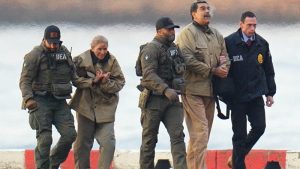
It should be noted that the United States executed Operation Southern Spear. On January 3, 2026, the US conducted a military operation in Venezuela, seizing the current president, Nicolás Maduro, and his spouse, Cilia Flores. (They are now in prison in NYC.)
The US government claimed it is holding Maduro’s administration accountable for the influx of drugs into the United States. But shortly after Maduro was captured, the United States’ interest in Venezuela’s oil became evident.
The United Nations has been unable to halt or prevent the actions of the US. In response, UN Secretary General, Antonio Guterres, merely commented that the US activities in Venezuela set a troubling precedent.
In a BBC interview, he also remarked that the US prioritises its power over international law. Other nations like China and Russia have similarly only expressed their disapproval of the US actions in Venezuela through words.
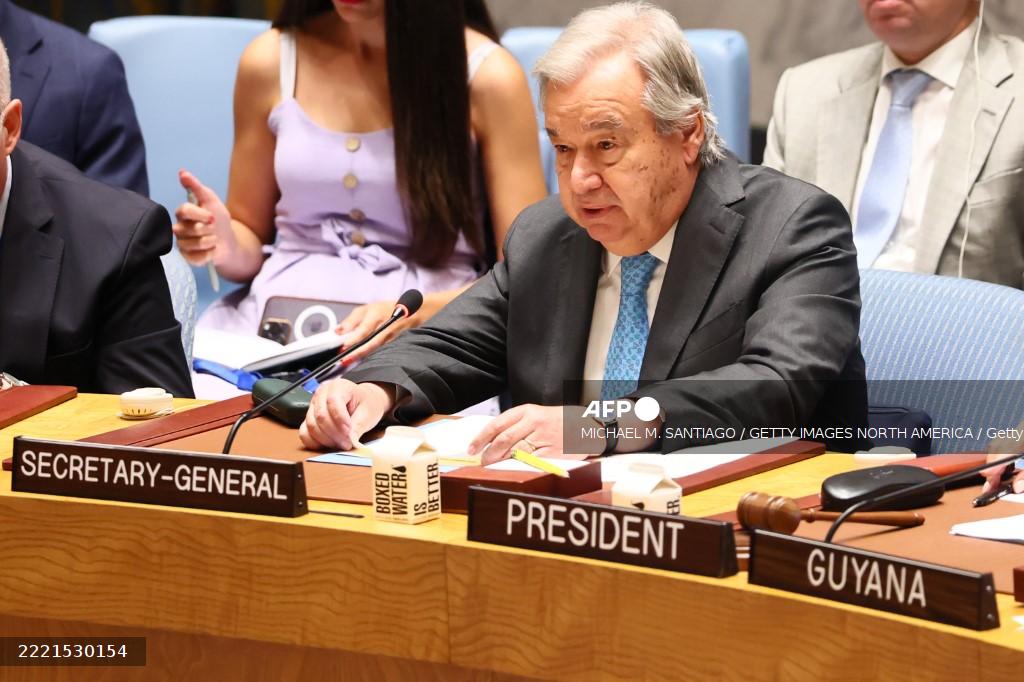
The UN has also been unable to stop Russia’s invasion of Ukraine, both in February 2014 and again in February 2022, with its Special Military Operation.
The most remarkable developments that occurred include the continuous provision of weapons and support to Ukraine by Western nations, while Russia asserts that its invasion is justified in the name of national security and the protection of Russian-speaking communities within Ukraine.
It’s crucial to mention that the United Nations, as a platform, has not succeeded in establishing statehood for Palestine, despite the widespread global support for a two-state solution.
In 2025, during the General Assembly, which includes all 193 member states, 142 nations voted in favour of a resolution endorsing the document, with 10 votes against and 12 abstentions.
However, the structural mechanisms of veto power have obstructed the recognition of Palestine as a state.
Israel is conducting airstrikes on all its neighbouring countries without consequences, claiming it is for its national security, and these actions cannot be curbed or halted by the platform that the United Nations provides.
On March 17, 2023, the International Criminal Court (ICC) released an arrest warrant, which some viewed as politically charged against President Vladimir Putin and Maria Lvova-Belova, the Russian Commissioner for Children’s Rights.
Additionally, the ICC issued an arrest warrant for committing genocide against Israeli Prime Minister, Benjamin Netanyahu and Yoav Gallant, the former Minister of Defense of Israel. The United States opposed the ICC’s actions and even imposed sanctions on the Judges of the International Court.
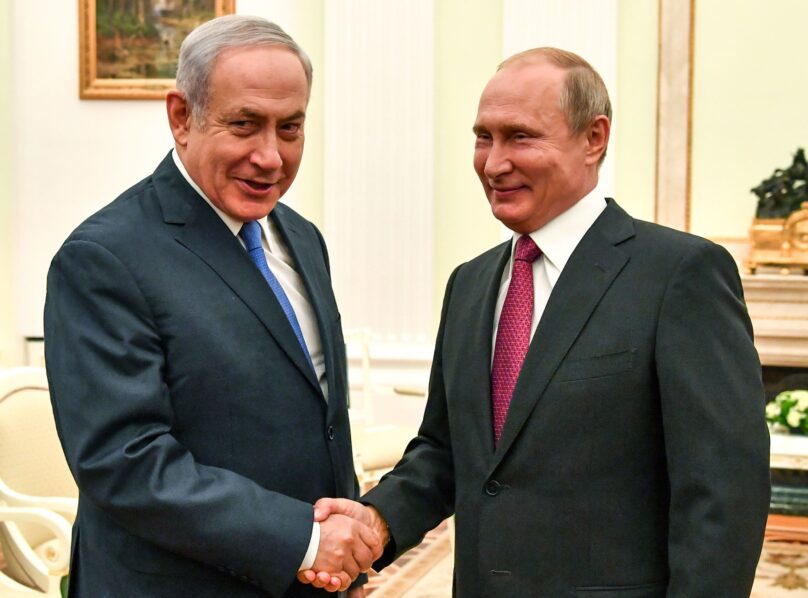
The arrest warrant was ineffective as President Putin made a trip to Mongolia in 2024, and Prime Minister Netanyahu also visited Budapest, Hungary, in April 2025.
However, both countries visited are signatories to the ICC and are obligated to detain both leaders. It is essential to acknowledge that European nations lack the necessary power and influence to take the lead in a multipolar world.
They are still facing challenges in adapting to the current global landscape, struggling to follow the United States’ lead. In the same vein, they remain doubtful about aligning with China, or considering a potential realignment with Russia, which would place them behind the Russian Federation in a multipolar context.
As things stand, there are strong indications that European nations will likely fall back on the EU as a unified force and strategy to navigate the current multipolar world order. This will also pave the way for other regional organisations, such as the African Union.
The United States administration under President Donald Trump is making efforts to put European nations in line under the leadership of the US by increasing their contributions to NATO, of which some of the European nations are still struggling to meet.
Trump also asked European nations to fall behind the US in a multipolar world by using the stick of tariffs. In the same manner, the United States wants Greenland for US national security concerns, but Greenland belongs to Denmark, a member of the NATO alliance and the European Union. This is the biggest test European nations will ever face in the new multipolar world.
The international system becomes a many-eyed situation, in which animals of the same species work together in groups to survive the wilderness of the jungle against predators.
As the United Nations, as a platform and for action, becomes weaker, the regional organisations will become stronger in the interest of survival in the current international system.
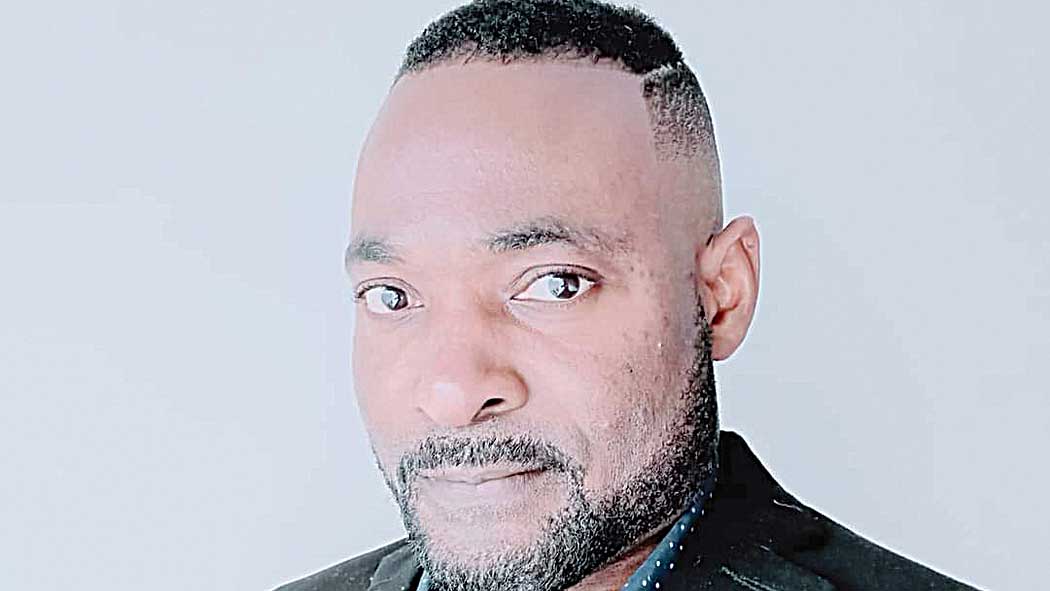
Abiodun Ramon Oseni, a Fellow at the Institute of Security Nigeria, a former U.S. police officer, and U.S. Army veteran, who specialises in international security at Harvard University, and American Military University, wrote via [email protected]

