 Follow Us on Google News
 Follow Us on Google Discover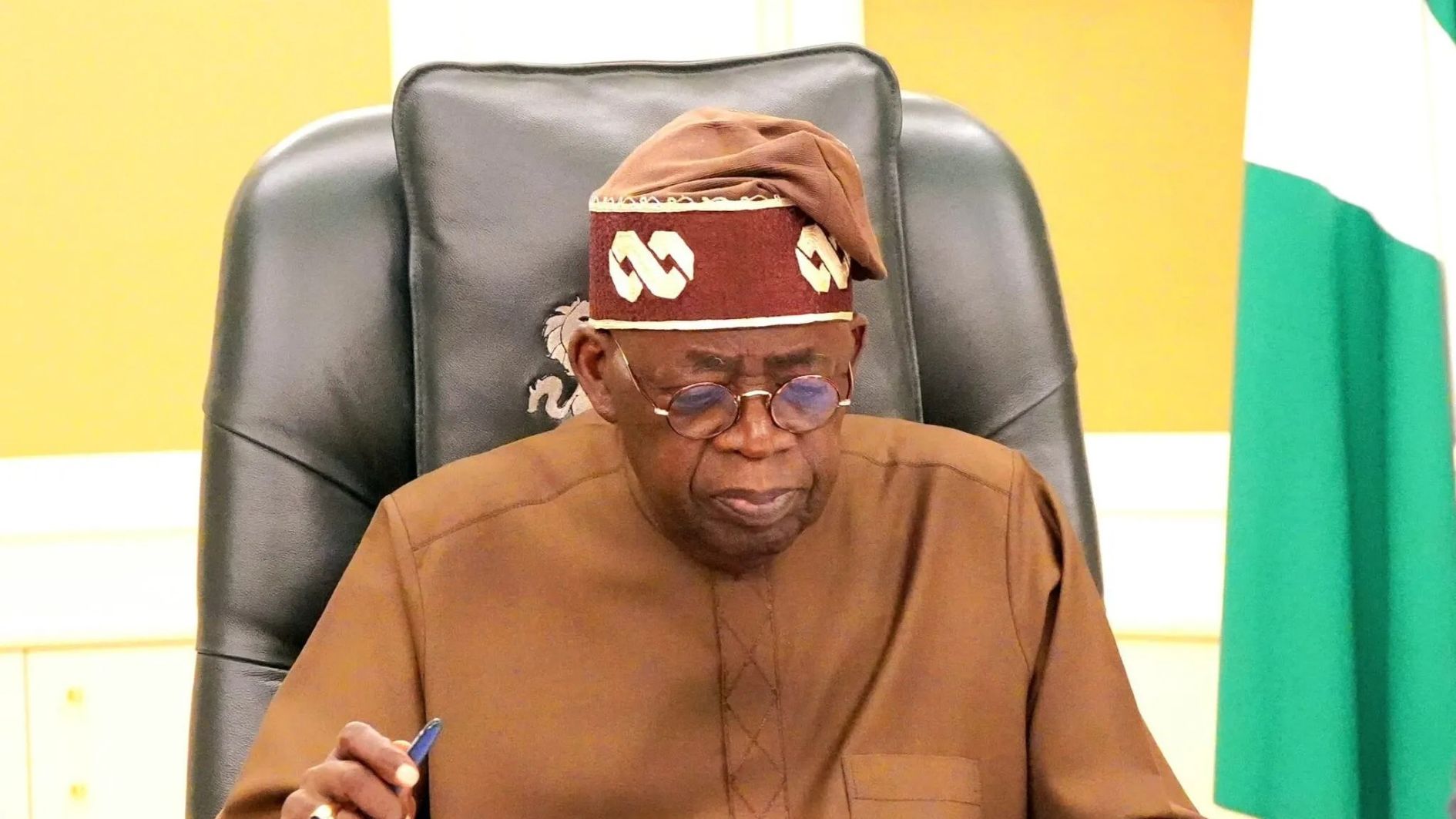
Although no fewer than 15 presidential candidates have emerged for the 2027 election, Nigerians are more interested in what the contenders can offer than in the number of names on the ballot. As the race gathers momentum, attention is focused on the vision, competence and track records of the leading candidates, many of whom have held key public offices, KEHINDE OLATUNJI reports.
As Nigeria moves steadily towards the January 16, 2027, presidential election, no fewer than 18 political parties have unveiled their standard-bearers, setting the stage for what promises to be one of the most consequential contests in the country’s democratic history.
While the number of aspirants and parties suggests a crowded field, political observers believe the real contest may ultimately revolve around a handful of candidates with the national spread, political structures, financial resources, and public appeal needed to compete effectively for the nation’s highest office.
Yet beyond the familiar headlines, party defections, coalition negotiations, and campaign rhetoric lies a more fundamental question confronting Nigerians: what exactly are the candidates offering the country at a time of economic uncertainty, persistent insecurity, rising unemployment, growing public debt, and widespread frustration with governance?
Unlike previous elections, in which many candidates emerged from relative obscurity, the majority of those currently seeking the presidency in 2027 are well-known political figures with extensive records of public service. Many have served as governors, ministers, vice presidents, legislators, or president.
Consequently, the election is increasingly becoming a referendum on experience, performance, vision, and credibility.

For voters, the debate is no longer simply about who wants power. It is about who possesses the capacity, ideas, and political will to address the challenges confronting Africa’s most populous nation.
Tinubu and the case for continuity
President Bola Ahmed Tinubu enters the race as the incumbent seeking a second term in office. His campaign is expected to be anchored on the argument that the difficult economic reforms initiated during his first tenure require continuity to deliver their full benefits.
Tinubu remains one of the most influential political figures in contemporary Nigeria. His tenure as governor of Lagos State between 1999 and 2007 is frequently cited by supporters as evidence of his capacity for governance. During that period, Lagos witnessed substantial increases in internally generated revenue, infrastructure expansion, public administration reforms, and improvements in urban development.
Beyond Lagos, Tinubu’s political influence extended nationally through his role in building opposition alliances that eventually culminated in the formation of the APC and the defeat of the PDP in 2015.
Since assuming office in 2023, however, his administration has embarked on some of the most controversial economic reforms in recent Nigerian history. The removal of fuel subsidy, exchange-rate liberalisation, tax reforms, and efforts to reduce government intervention in the economy have generated both praise and criticism.
Supporters argue that these measures were necessary to prevent economic collapse, attract investment, restore fiscal stability, and place the economy on a sustainable path. They insist that reforms of such magnitude inevitably come with short-term pain before long-term gains become visible.
According to APC loyalists, the President’s strongest selling point in 2027 will be continuity. They contend that changing leadership midway through a difficult reform process could reverse progress already achieved.
Critics, however, argue that the average Nigerian has yet to feel the promised benefits. They point to soaring food prices, inflationary pressures, declining purchasing power, unemployment, and worsening living conditions as evidence that the reforms have imposed excessive hardship on citizens.
Consequently, Tinubu’s campaign may ultimately depend on whether voters believe the sacrifices of the last four years have laid the foundation for future prosperity or whether they simply want a change of direction.
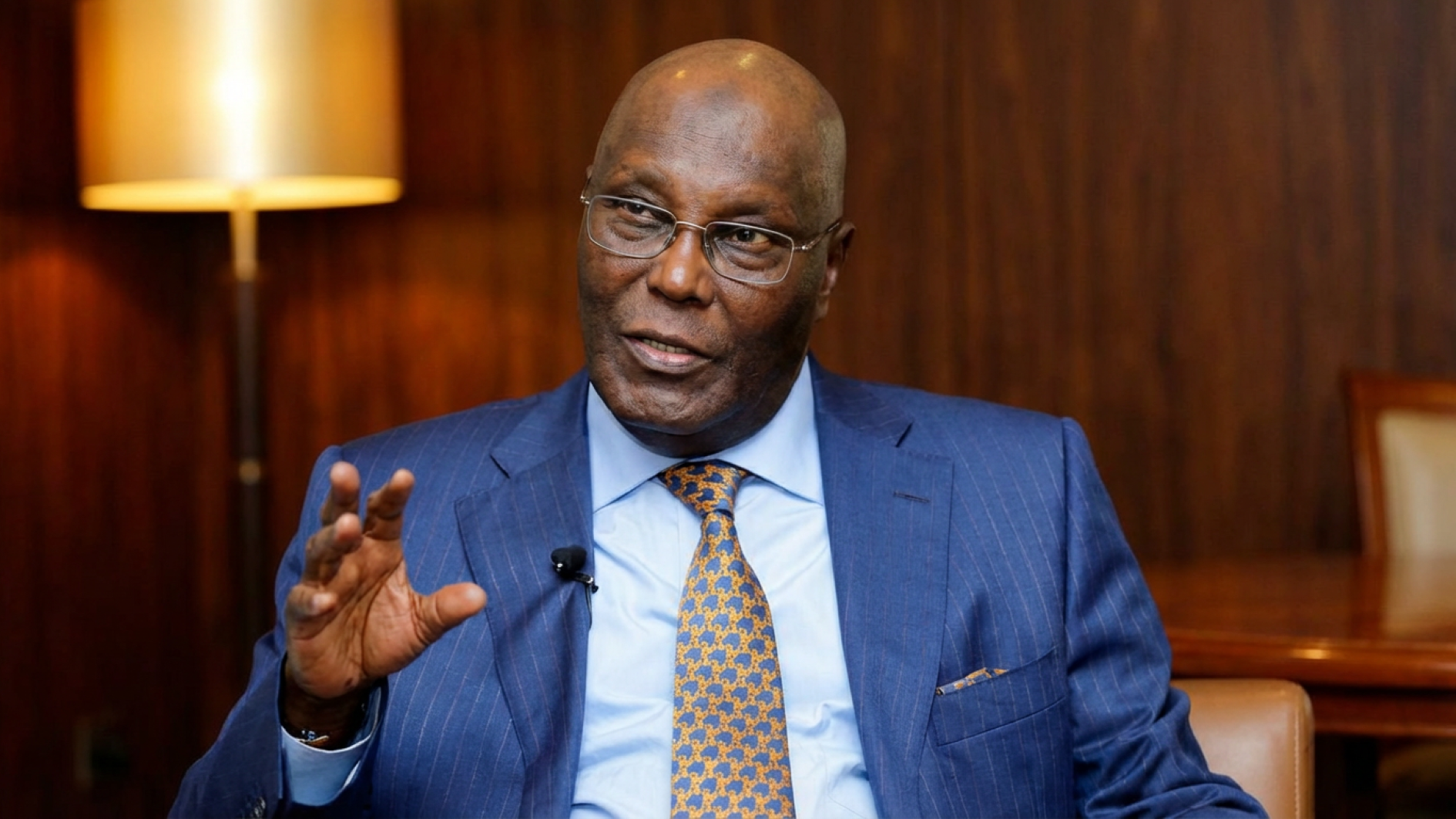
Former Vice President Atiku Abubakar remains one of the most experienced politicians in the race.
Having contested for the presidency multiple times over the past three decades, Atiku has become a recurring figure in Nigeria’s political landscape. Supporters see him as a seasoned administrator with a deep understanding of governance, public policy, and economic management.
His strongest credentials stem from his years as vice president under former President Olusegun Obasanjo from 1999 to 2007. During that period, Nigeria implemented major economic reforms, debt restructuring initiatives, telecommunications expansion, and privatisation programmes that transformed several sectors of the economy.
Atiku has consistently projected himself as a pro-business leader who understands how to attract investment, encourage private-sector growth, and create jobs. His campaign is likely to focus heavily on economic recovery, industrialisation, investment promotion, and job creation.
Supporters argue that Nigeria’s economic challenges require an experienced hand capable of navigating both domestic and international economic realities.
However, his candidacy also faces significant questions.
Many critics believe the country needs a generational shift away from politicians who have dominated national politics for decades. Others insist that the principle of power rotation should allow the South to complete eight years in office before power returns to the North.
Nevertheless, Atiku’s extensive political network, nationwide recognition, and decades of electoral experience ensure that he remains one of the most formidable challengers in the race.
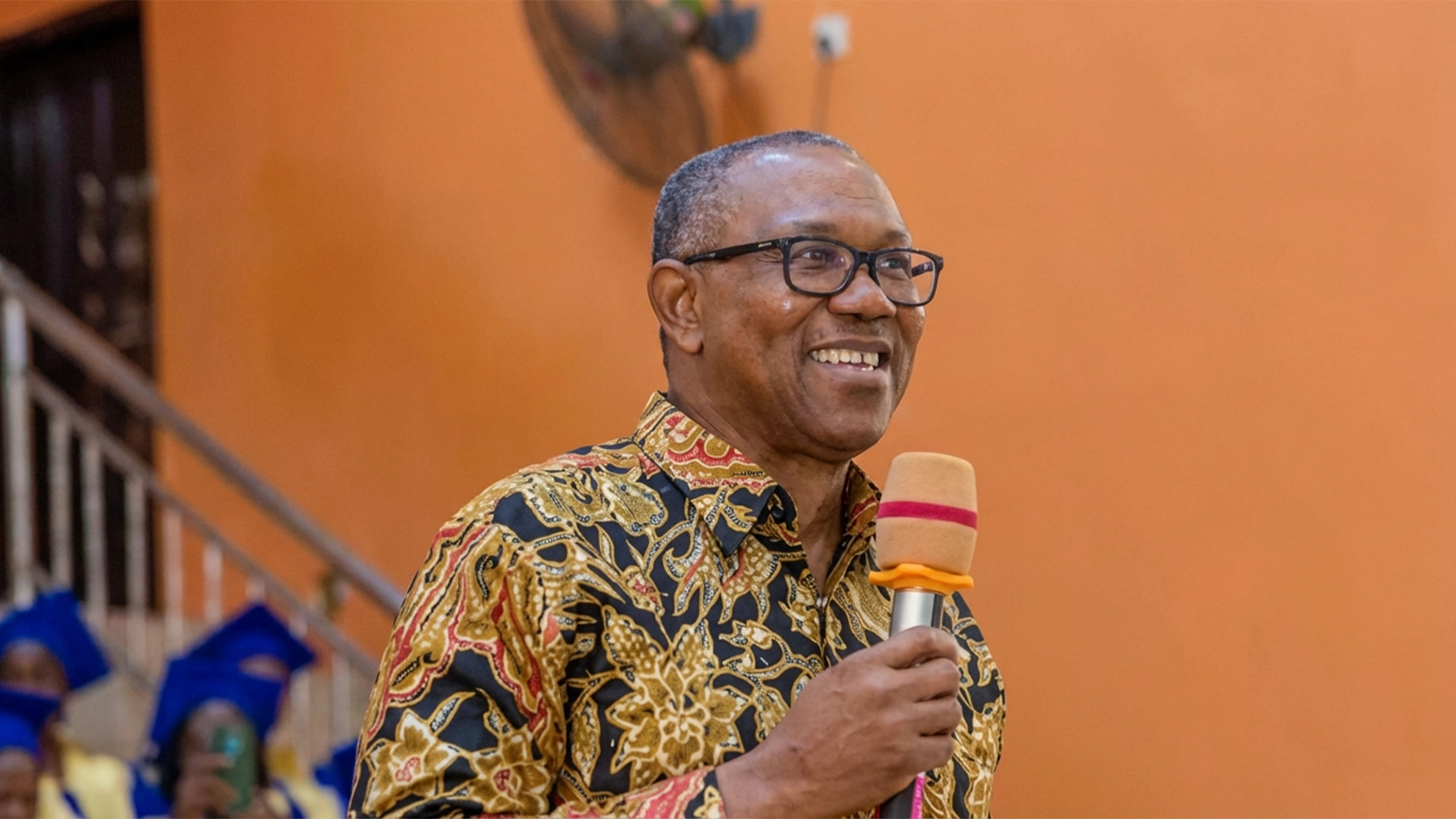
Perhaps no candidate has altered Nigeria’s electoral conversation in recent years as dramatically as Peter Obi.
The former governor of Anambra State emerged as a major national figure during the 2023 elections, particularly among young voters, professionals, students, and urban residents seeking an alternative to traditional politics.
Obi’s appeal is built largely around his reputation for fiscal prudence, accountability, and efficient management of public resources.
During his tenure as governor, supporters credit him with maintaining financial discipline, investing in education and healthcare, and leaving the state with substantial reserves.
Since entering national politics, Obi has consistently advocated a production-oriented economy, reduced cost of governance, institutional reforms, and greater transparency in public administration.
For many Nigerians, particularly younger voters, Obi represents a departure from established political traditions. His supporters frequently portray him as a symbol of competence, accountability, and responsible leadership.
The challenge before Obi is converting public enthusiasm into an electoral victory. While his popularity among urban voters remains significant, analysts argue that presidential elections in Nigeria require broad national structures, strong grassroots networks, and extensive political mobilisation across all regions.
Whether he can successfully transform his reform message into a nationwide winning coalition remains one of the biggest questions of the 2027 contest.
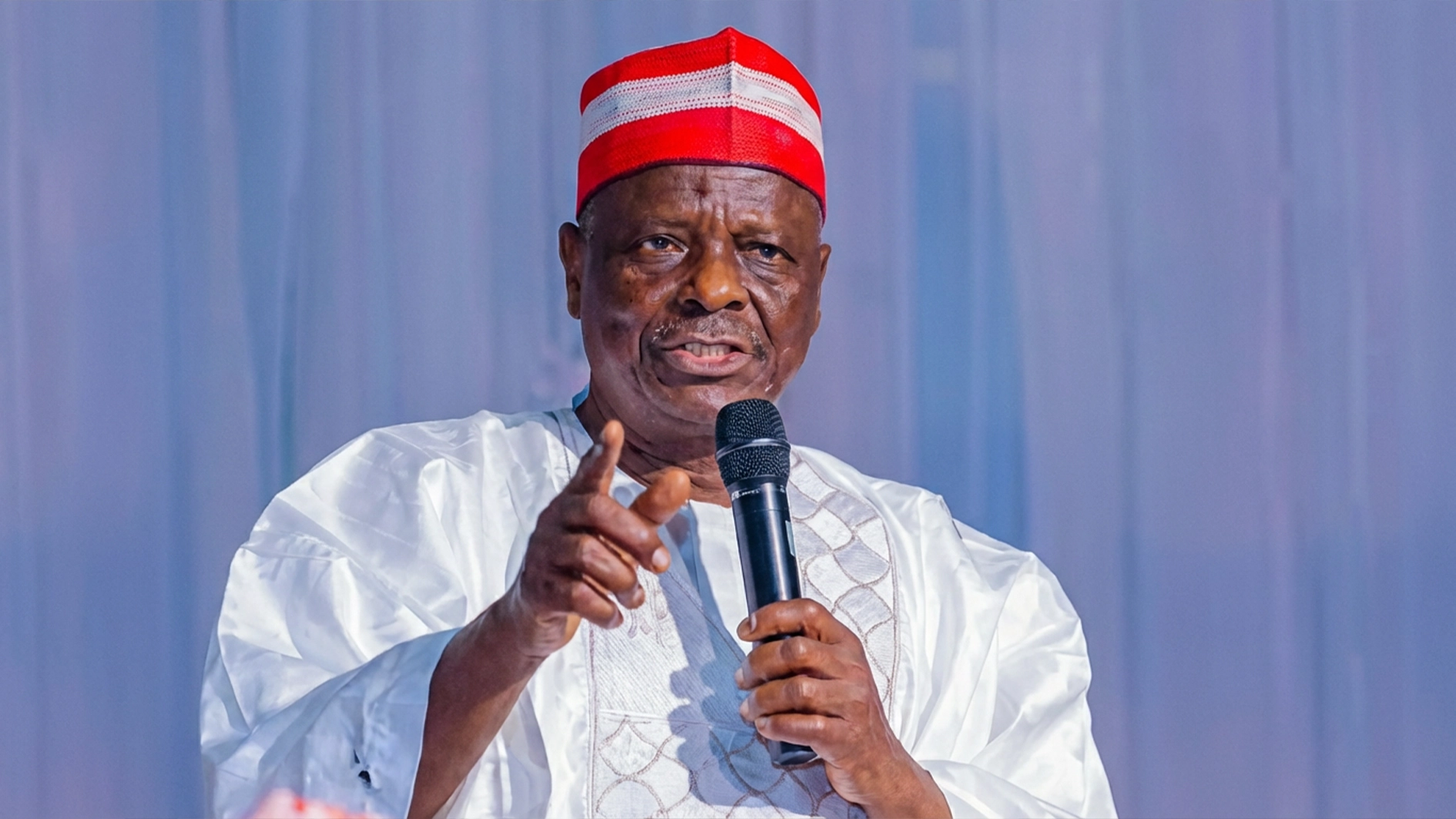
Although now running as a vice-presidential candidate, Rabiu Musa Kwankwaso remains one of the most influential political figures in Northern Nigeria.
A former governor of Kano State and former minister, Kwankwaso, commands a loyal political movement known for its grassroots strength.
His administration in Kano is often associated with investments in education, infrastructure development, healthcare, and human capital development.
Supporters believe his presence on any national ticket substantially strengthens its chances in the North-West, one of Nigeria’s most politically significant regions.
His supporters view him as a bridge between Northern interests and broader national aspirations, while critics question whether his influence can extend beyond his traditional strongholds.
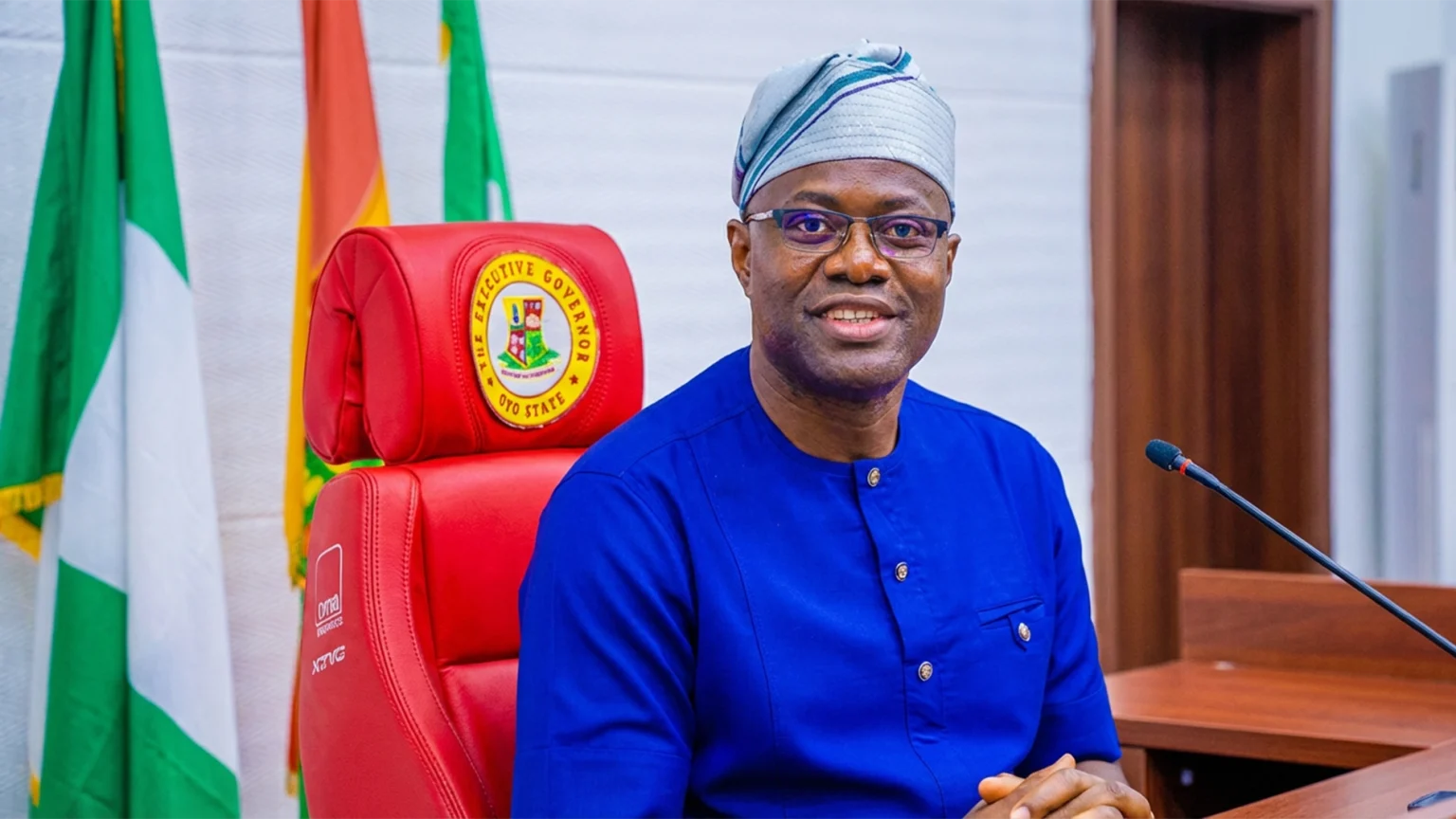
Oyo State Governor Seyi Makinde enters the presidential race as one of the younger and relatively newer faces among the leading contenders.
Since assuming office in Oyo State, Makinde has built a reputation around infrastructure development, educational reforms, agricultural initiatives, and efforts to strengthen internally generated revenue.
His supporters frequently point to improvements in road infrastructure, public education, healthcare delivery, and investment promotion as evidence of his administrative capability.
Makinde’s candidacy offers a different proposition to voters. Rather than relying primarily on decades of national political experience, he seeks to present himself as part of a newer generation of leaders capable of bringing fresh ideas and innovative approaches to governance.
His challenge will be convincing voters beyond his regional base that his state-level achievements can be replicated at the national level.
Former President Goodluck Jonathan’s return to presidential politics introduces another familiar face into the contest.
Jonathan’s presidency remains one of the most debated periods in Nigeria’s democratic history.
Supporters recall significant achievements in telecommunications growth, agricultural reforms, electoral improvements, infrastructure development, and expansion of democratic freedoms.
Many also credit his administration for strengthening electoral institutions and accepting the outcome of the 2015 election, a decision widely praised both locally and internationally.
However, critics argue that his administration struggled to effectively confront corruption, insecurity, and economic vulnerabilities.
For some Nigerians, Jonathan represents stability, moderation, and democratic maturity. For others, his return raises questions about whether Nigeria should continue looking backwards or embrace newer political alternatives. How serious he is to contest depends on his response to his nominations by the Taminu Turaki led faction of PDP.
Human rights activist and publisher Omoyele Sowore remains one of the most outspoken voices in the race.
Unlike many of his competitors, Sowore’s political appeal is rooted less in prior government service than in activism, advocacy, and opposition to what he describes as elite-driven politics.
His campaign centres on anti-corruption, institutional reforms, youth empowerment, social justice, and comprehensive restructuring of governance systems.
Sowore frequently argues that Nigeria’s problems persist because the same political class continues to dominate leadership positions regardless of party affiliation.
His supporters view him as a genuine outsider committed to fundamental change rather than incremental reforms.
While his electoral base may not yet rival those of larger parties, his influence in shaping political discourse, especially among younger citizens, remains significant.
The bigger question before Nigerians
As campaigns gather momentum, Nigerians will increasingly be confronted with competing narratives.
Some candidates will campaign on continuity and consolidation of existing reforms. Others will argue for change, restructuring, or a complete departure from current policies.
Ultimately, the election may not be decided solely by party platforms, endorsements, or political alliances. It may depend on which candidate most convincingly addresses the concerns of ordinary Nigerians struggling with the realities of daily life.
The issues are well known: inflation, unemployment, insecurity, electricity shortages, declining purchasing power, poor infrastructure, education challenges, healthcare deficits, and concerns about democratic accountability.
Voters are likely to examine not only what candidates promise but also what they have previously delivered when entrusted with public office.
In that regard, the 2027 presidential election presents Nigerians with a unique opportunity to compare records, evaluate competence, and assess competing visions for national development.
The contest is therefore shaping up as more than a battle among political parties. It is becoming a national conversation about leadership, governance, and the country’s future direction.
For many Nigerians, the critical question remains straightforward: among the candidates seeking the presidency, who possesses not only the experience and ambition to lead but also the capacity, credibility, and courage to confront the challenges of a nation seeking stability, prosperity, and renewed hope?

