 Follow Us on Google News
 Follow Us on Google Discover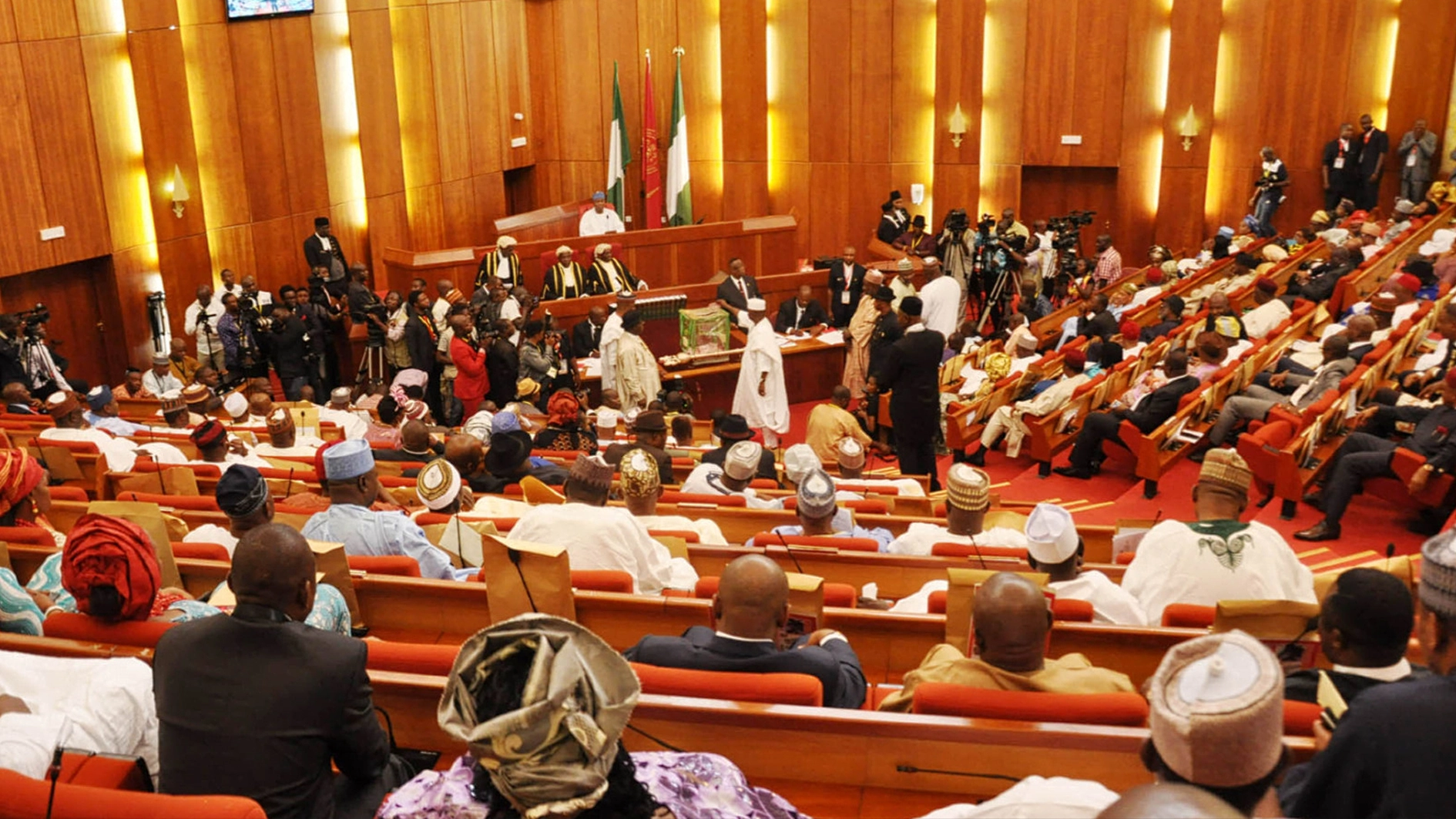
Concerned civil society groups have called on the Nigerian Senate to explain its decision to rescind its July 9, 2026 passage of the Proceeds of Crime (Recovery and Management) (Amendment) Bill, 2026, describing the move as a setback to efforts to strengthen the recovery and management of assets linked to criminal activity.
In a statement signed by Barrister Chukwu Vincent, the groups said the reversal required urgent public clarification, particularly because the bill had undergone several stages of legislative scrutiny before it was passed.
They said the bill had gone through first and second readings, committee consideration, a public hearing, clause-by-clause consideration of all 51 clauses and a third reading before its passage by the Senate.
The proposed legislation sought to establish a standalone Proceeds of Crime (Recovery and Management) Agency with responsibility for tracing, recovering, preserving, managing and disposing of assets reasonably suspected to be proceeds of unlawful activities.
According to the groups, the Senate Committee on Judiciary, Human Rights and Legal Matters had recommended the creation of the agency following a public hearing at which memoranda were submitted by 22 organisations and individuals, including the Economic and Financial Crimes Commission (EFCC), Independent Corrupt Practices and Other Related Offences Commission (ICPC), National Drug Law Enforcement Agency (NDLEA), Department of State Services (DSS), Nigerian Bar Association, Socio-Economic Rights and Accountability Project (SERAP), Policy and Legal Advocacy Centre (PLAC) and Civil Society Legislative Advocacy Centre (CISLAC).
“We are concerned that a Bill which underwent such extensive scrutiny and stakeholder engagement, and which was subsequently passed by the Senate, could be rescinded only after the completion of the legislative process without the specific legal, policy or drafting concerns being made sufficiently clear to the Nigerian public,” Chukwu said.
The groups also raised concerns over reports alleging that Senate President Godswill Akpabio may have influenced Senate Leader Opeyemi Bamidele to move the rescission motion.
However, they stressed that the allegation should not be treated as established fact and called for a clear response because of the public importance of the legislation.
“We are not asking the Senate to compromise legislative procedure. We are asking for transparency. If there are genuine constitutional, legal, drafting or policy defects in the Bill, Nigerians deserve to know precisely what those defects are and why they could not be addressed through amendments before the Bill was passed,” Chukwu said.
The groups noted that Bamidele had been a member of the Senate Committee on Judiciary, Human Rights and Legal Matters that scrutinised the bill and recommended the establishment of the proposed agency.
They therefore asked the Senate to explain what new concerns emerged after the committee process and the bill’s eventual passage on the floor.
According to the groups, Nigeria needs a more coordinated and transparent framework for managing recovered assets, particularly amid longstanding concerns about fragmented institutional responsibilities.
They argued that the proposed agency could provide a clearer institutional structure for asset recovery and management while improving collaboration among law enforcement and regulatory agencies.
The civil society groups called on Akpabio, Bamidele and the leadership of the National Assembly to publicly explain the circumstances surrounding the rescission and disclose the specific legal and policy concerns that informed the decision.
They also urged the Senate to resume consideration of the bill without unnecessary delay and address any legitimate concerns through what they described as an open, evidence-based and transparent legislative process.
“Nigeria’s fight against corruption cannot afford institutional uncertainty or decisions that create doubts about the management of recovered assets. Whatever legitimate concerns exist with the Bill should be addressed transparently,” Chukwu said.
The groups said they would continue to monitor the legislative process and engage the National Assembly and other stakeholders on the development of what they described as a credible, transparent and accountable framework for the recovery and management of proceeds of crime.

