 Follow Us on Google News
 Follow Us on Google Discover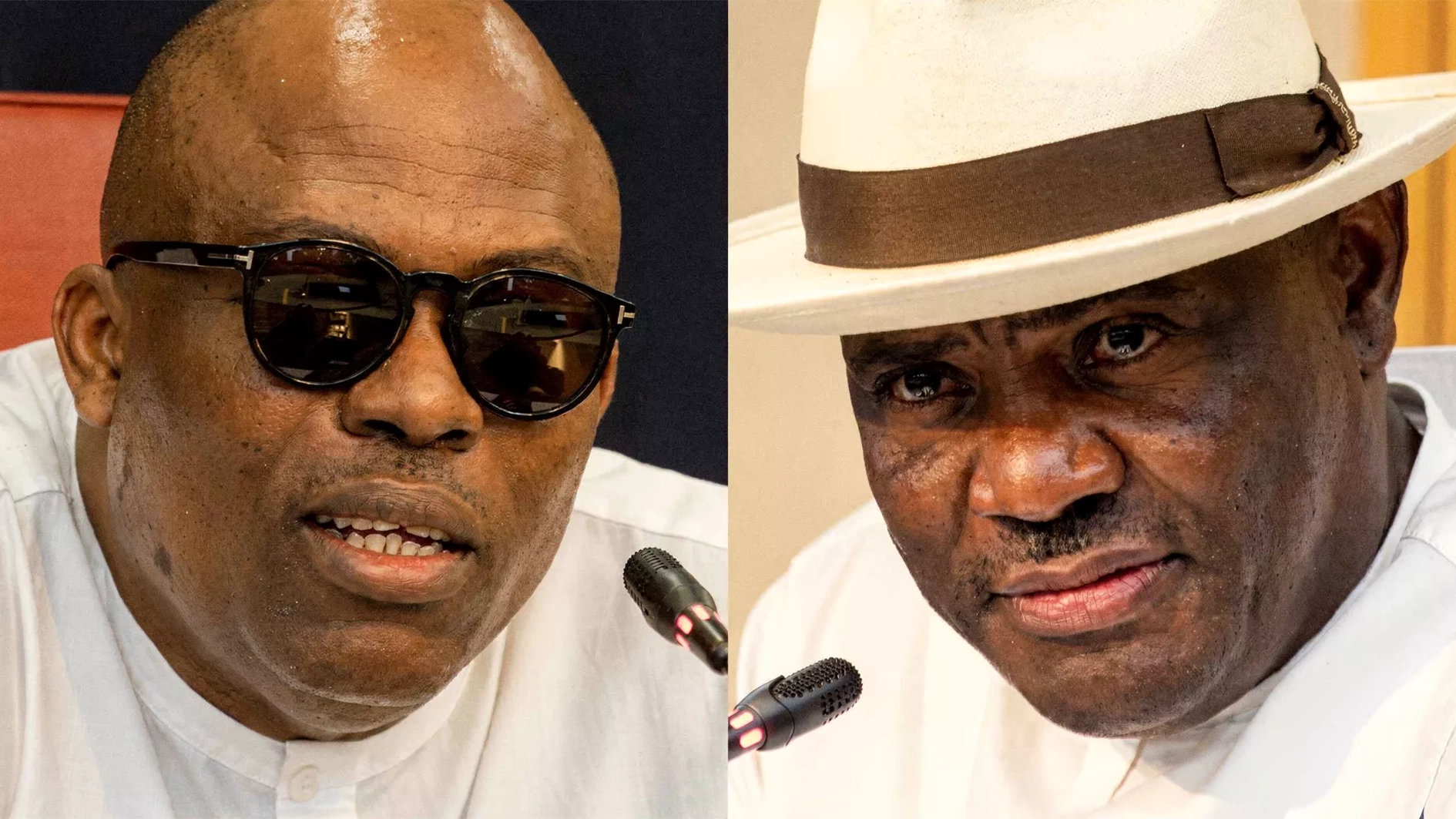
Amid lingering political turbulence in Rivers State, a pressure group, Rivers First Movement (RFM), has called for an independent investigation into the state’s finances from May 29, 2015, to January 31, 2026, spanning the administrations of the former governor, Nyesom Wike, and the incumbent Governor Siminalayi Fubara.
The demand comes on the heels of a fresh twist in the protracted struggle for political control of the state, triggered last week by Fubara’s dissolution of the State Executive Council, a move widely interpreted as a strategic concession in his standoff with the Minister of the Federal Capital Territory (FCT), Wike.
The decision followed barely 48 hours after a fourth peace accord was brokered by President Bola Tinubu, aimed at resolving the festering rift between the two political actors.
The development is expected to pave the way for the reconstitution of the cabinet, with a fresh list of commissioner nominees to be reportedly forwarded to the Rivers State House of Assembly for screening and confirmation.
Political observers view the dissolution as a calculated step to avert renewed impeachment proceedings, amid reports that the Assembly had served notice on the governor and his deputy.
However, some residents argue that beyond the peace deal, there is an urgent need for transparency and accountability, particularly as governance has reportedly slowed since the crisis erupted on October 31, 2023.
Addressing newsmen in Port Harcourt yesterday, the RFM leadership alleged that trillions of naira accrued to the state within the period under review, lamenting what it described as the transformation of public resources into “personal empires” through inflated and questionable projects.
The group demanded a comprehensive audit of all financial transactions undertaken in the name of development.
It further decried what it termed the “cartelisation” of the state’s wealth, warning that the concentration of resources in the hands of a few had exacerbated hardship among residents.
Describing the state’s socio-economic trajectory over the past decade as disturbing, the group alleged a shift from collective governance to personalised political control.
RFM also expressed concern over unemployment in the state, citing data from the National Bureau of Statistics (NBS), which it said places Rivers’ unemployment rate at 13.4 per cent. The figure, it argued, underscores the urgency of redirecting governance towards economic inclusion and job creation.
Meanwhile, residents have voiced anxiety over what they perceive as a steady erosion of democratic norms. Traders, motorists and artisans who spoke with The Guardian warned that sustained political brinkmanship has displaced governance priorities, weakened investor confidence and heightened economic uncertainty.

