 Follow Us on Google News


 Follow Us on Google Discover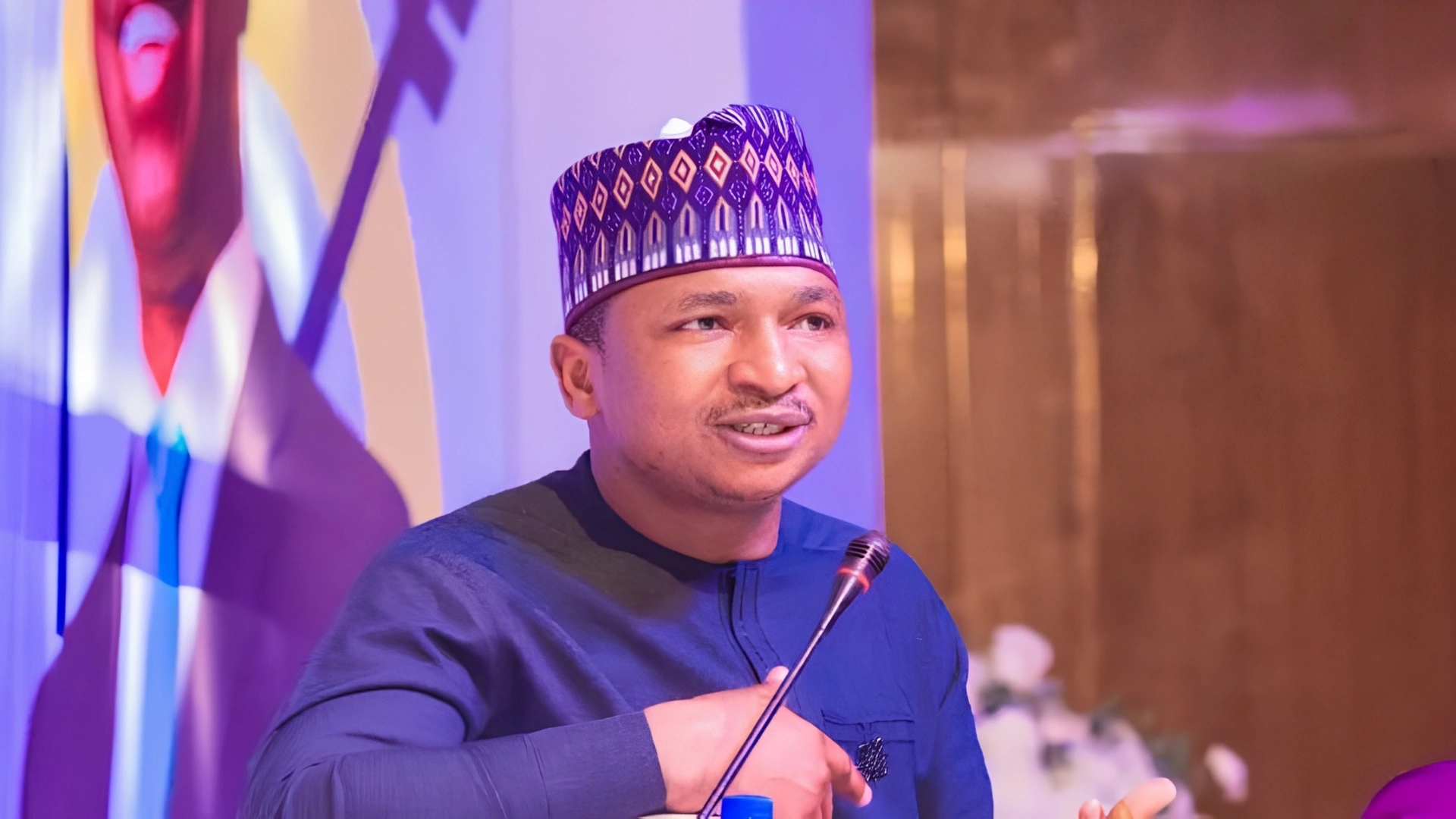
For decades, Nigerian politics has been dominated by familiar faces, established political structures and generations of leaders often accused of failing to create enough space for younger voices. At the University of Cambridge on Saturday, civic activist and governance advocate Hamzat Lawal argued that changing that reality requires more than voting during elections. It requires young Nigerians to actively participate in politics, governance and public leadership.
Speaking at a Democracy Day dialogue organised by the Cambridge University Nigerian Society, Lawal challenged young Nigerians at home and abroad to move beyond political observation and become active contributors to the country’s democratic future.
Addressing students and members of the Nigerian diaspora on the theme, “Beyond the Ballot: Leadership, Youth Participation and Nigeria’s Future,” the founder of Follow The Money and Connected Development (CODE) reflected on his years of civic engagement and the lessons they have taught him about power, accountability and citizen action.
Central to his message was a belief that Nigeria’s demographic realities place enormous influence in the hands of its youth population.
“We have the numbers. We determine the outcome,” Lawal told the audience.
Nigeria remains one of the world’s youngest countries, with a significant proportion of its population under the age of 35. Yet despite this demographic advantage, young people continue to be underrepresented in political leadership and decision-making structures.

Lawal argued that this disconnect is not inevitable.
Drawing on his own experience as an activist, he recounted a visit to Bagega in Zamfara State, where widespread lead poisoning affected children and drew limited government attention. According to him, the experience demonstrated the power of organised citizen action.
After returning to Abuja, he launched the #SaveBagega campaign on social media, mobilising public attention around the crisis. The campaign eventually contributed to increased government intervention and funding for affected communities.
That experience later helped inspire Follow The Money, an accountability initiative dedicated to tracking public expenditure and ensuring that public resources reach intended beneficiaries.
For Lawal, questions surrounding public finance remain at the heart of many governance challenges.
“Where are funds coming from? Where are they going to? Most importantly, how do our leaders judiciously use this money?” he asked.
He also directed part of his message toward Nigerians living abroad, arguing that the country’s diaspora community has both a stake and a responsibility in national development. Given the significant volume of remittances sent home annually, he suggested that financial contributions should be accompanied by stronger engagement with governance and accountability issues.
A substantial portion of his remarks focused on youth political participation and the campaign that led to Nigeria’s Not Too Young To Run constitutional reforms.
Lawal recalled that efforts to lower age requirements for elective offices were initially met with resistance and scepticism. However, after years of advocacy, coalition-building and engagement with lawmakers, the movement eventually succeeded in securing constitutional amendments that expanded opportunities for younger Nigerians to contest for political office.
“A lot of people thought it just happened. No, it took about 10 years,” he said.
The campaign has since become one of the most visible examples of youth-led civic advocacy in modern Nigerian politics.
Beyond celebrating that achievement, however, Lawal warned against limiting youth engagement to activism alone.
Reflecting on his own evolution as a civic advocate, he said his understanding of power has changed significantly over the years. While protests and advocacy remain important, he believes lasting change also requires participation within political institutions.
“Power is actually created. And then, to ensure justice, you share power,” he said.
His remarks come at a time when debates around youth participation, governance reforms and democratic accountability continue to occupy a prominent place in Nigeria’s political discourse. Although young Nigerians have become increasingly visible in civic movements, voter mobilisation campaigns and digital activism, representation within elected office remains relatively limited.
For Lawal, the challenge is no longer whether young people possess the numbers to influence political outcomes. The challenge is whether they are willing to translate that numerical strength into sustained political engagement.
Concluding his address, he encouraged young Nigerians to overcome their hesitation toward politics and embrace leadership responsibilities, drawing inspiration from the young nationalists who played key roles in Nigeria’s independence movement.
“Why are we scared of politics?” he asked. “Isn’t it better that we die and leave a legacy?”
Whether through activism, public service, policy advocacy or elected office, his message was clear: the future of Nigeria’s democracy will depend not only on the decisions of current leaders but also on the willingness of a new generation to participate in shaping what comes next.

