 Follow Us on Google News


 Follow Us on Google Discover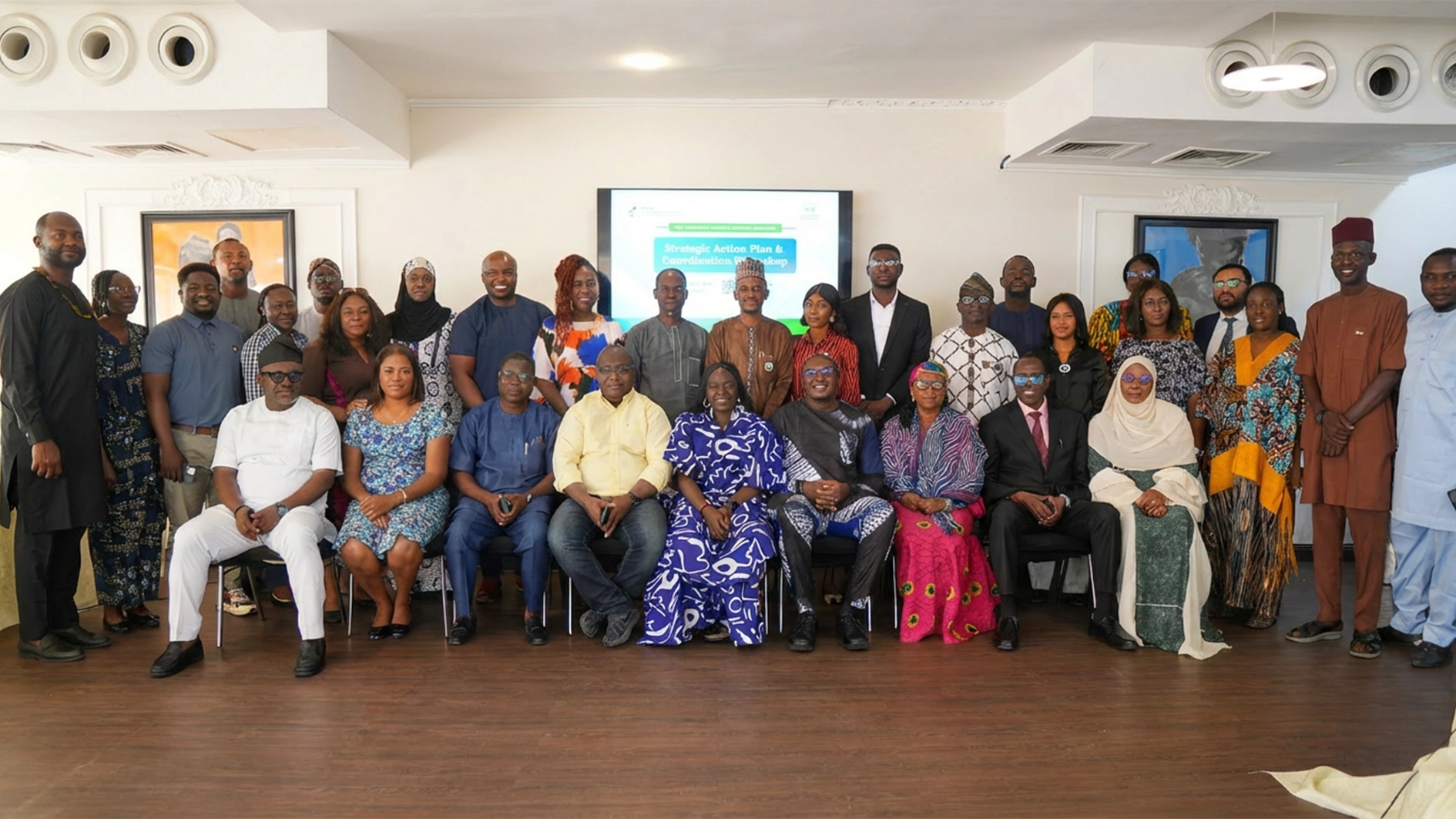
Nigeria Climate Justice Alliance (NCJA), a civil society-led coalition, has called on government institutions, development partners, the private sector, and the media to support inclusive, transparent, and people-centred climate action in the country.
The call was made at the conclusion of NCJA’s two-day Strategic Action Plan Review and Coordination Workshop held last week in Abuja. The workshop brought together members of the Alliance from across Nigeria, including civil society organisations, community groups, youth movements, researchers, and media actors.
The meeting focused on reviewing the NCJA Strategic Plan (2026–2030), strengthening coordination among members, and identifying priority actions to respond to the escalating climate crisis and its impact on vulnerable communities.
Participants observed that climate change continues to worsen social and economic inequalities, with frontline communities, where resilience capacities are lowest, bearing the heaviest burden. They noted that women and youth often engage in livelihood practices, such as deforestation, that inadvertently exacerbate climate change, trapping them in cycles of vulnerability.
The workshop also highlighted that weak coordination among civil society actors limits their influence on climate policy and equitable access to climate finance. Participants stressed the urgent need for community-led, justice-based climate solutions that address the root causes of inequality while integrating gender inclusivity and the needs of persons with disabilities.
During the workshop, participants reaffirmed their commitment to the NCJA Strategic Plan (2026–2030) as the guiding framework for collective action. They also agreed to strengthen governance and accountability structures, establish functional working committees on public advocacy and change, resource mobilisation, knowledge and capacity building, and coordination, and develop a joint action roadmap with clear priorities, timelines, and responsibilities.

Other resolutions include scaling up coordinated advocacy to influence climate policies, pursuing joint resource mobilisation, strengthening knowledge sharing across the Alliance, and implementing actionable timelines for committee-led initiatives.
In a communique signed by representatives of NCJA member organisations, including Dr Joseph Onoja of Nigerian Conservation Foundation (NCF), Dr Michael David, Global Initiative for Food Security and Ecosystem Preservation, Dr Grace Alawa of Sustainable Action for Nature (SAN), Zinta Akpoko of Bridge That Gap Initiative (BTG), and Udochukwu Egwim of South Saharan Development Organisation (SSDO).
Others are Akaase Patience of Women Empowerment Programme (WEP), and Ahmed Tiamiyu of Community Action Against Waste (CAPws). The alliance reaffirmed its commitment to centring community voices, protecting ecosystems, promoting equity, and holding duty-bearers accountable for climate action.

