In a renewed push to address the persistent problem of building collapse in Nigeria, construction experts have called for wider adoption of lightweight concrete technology, especially in high-rise projects.
Chief Executive Officer of Axion Engineering, Dr Okey Eze, made the call in Port Harcourt during the launch of the company’s new lightweight concrete system. He emphasised that the technology, which significantly reduces a building’s dead load, could play a critical role in preventing structural failures.
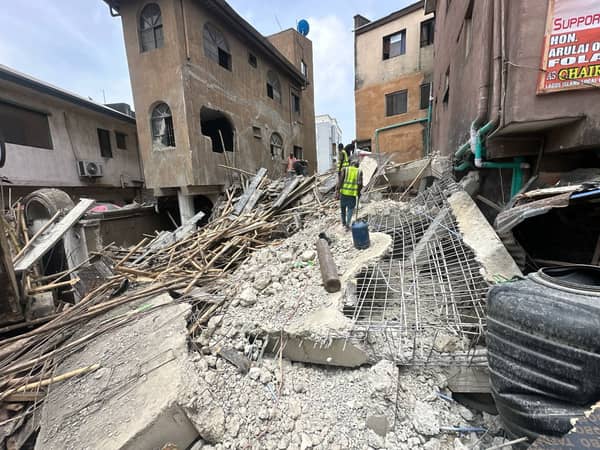
Nigeria has recorded numerous fatal building collapses in recent years. Reports show that between 2010 and 2020, at least 48 buildings collapsed across major urban centres, representing a 77 per cent increase compared with the previous decade.
Experts have repeatedly linked the trend to substandard materials, poor construction practices, inadequate supervision and weak regulatory enforcement.
Eze highlighted the advantages of lightweight concrete, noting that beyond lowering the structural load, it offers improved thermal insulation, faster construction timelines and enhanced durability.
“Conventional concrete weighs about 2,400 kilograms per cubic metre, while our lightweight system weighs between 1.5 and 1.7 tonnes per cubic metre,” he said. “This difference is significant for ensuring the structural integrity of buildings, particularly high-rises.”
He added that Axion Engineering, a local manufacturing firm, has developed innovative construction products designed to promote smarter, stronger and more sustainable building practices. The company’s products, he said, have been approved by the Federal Ministry of Works.
Despite these advances, Eze stressed the need for stronger government intervention. He urged authorities to enforce the use of certified innovative products and incorporate lightweight concrete technologies into building specifications.
Industry professionals at the event commended the company’s efforts. Managing Director of CM Star Services Limited, Catherine Kadiri, underscored the importance of embracing forward-thinking solutions.
“The future belongs to innovations that help us build strong roads, safe homes and lasting infrastructure,” she said.