 Follow Us on Google News
 Follow Us on Google Discover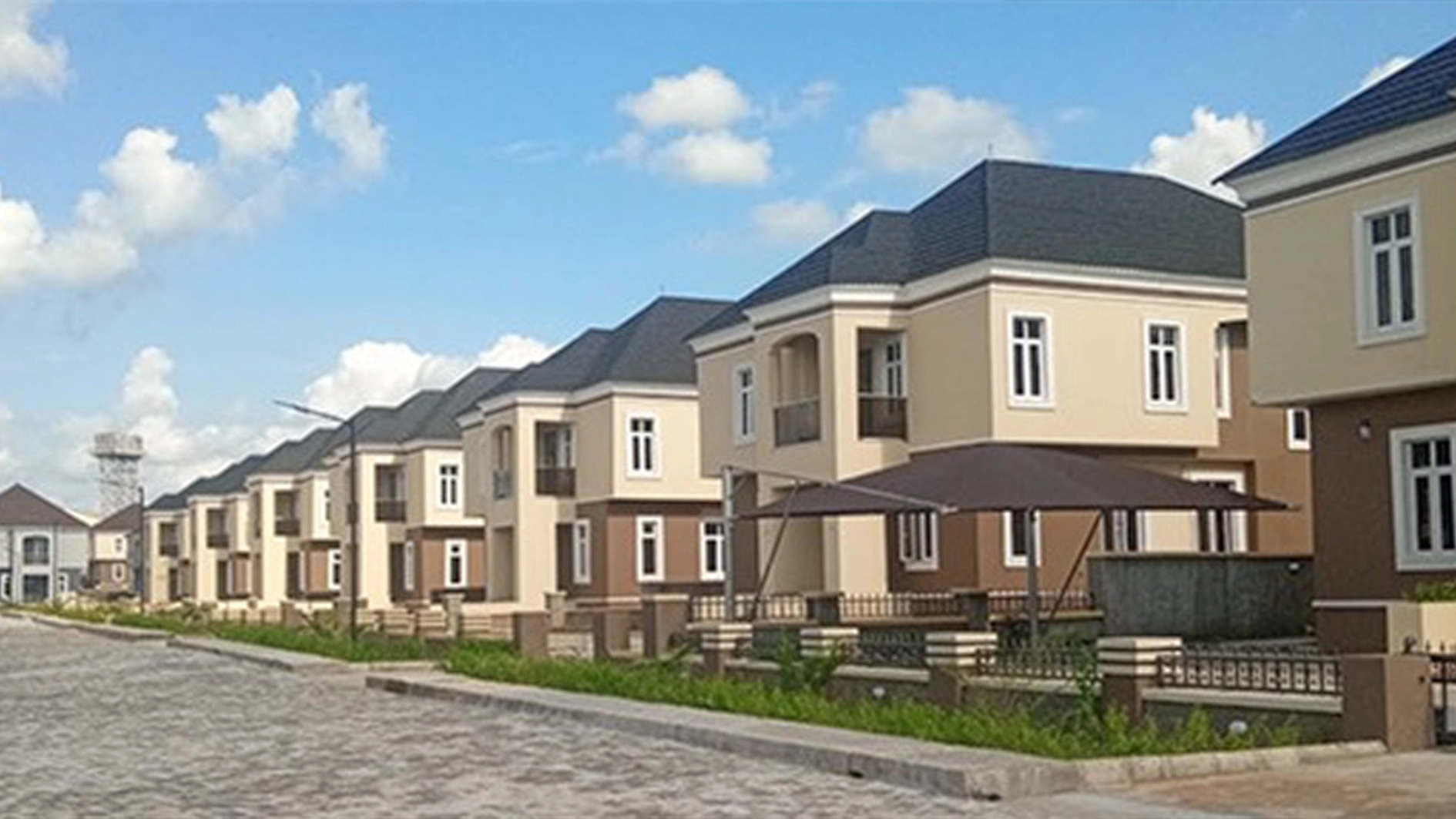
Experts have expressed concerns that despite a relatively stable investment climate, housing supply and affordability remain challenging across the country.
They lamented that most available homes in the market are expensive, particularly for Nigerians in the low-income bracket. According to them, demand for residential housing and commercial facilities will remain strong, driven by the country’s growing population.
They spoke at a real estate roundtable webinar organised by Bamigbola Consulting in Lagos. The forum, themed “What Happened During the H1 2026 Period in the Real Estate Market in Nigeria,” examined emerging issues arising from government policies and the outlook for the remaining half of the year.
Leading the discussion, the Executive Director, Metrowest Limited, Mr Kayode Abdulazeez, said that despite the difficult economic situation, the real estate market would remain active.
Abdulazeez said that in Lagos, Abuja and other major cities, property prices had started to moderate, unlike what was experienced during the corresponding period last year.
He observed that there had been some degree of stability, making investment more predictable than it was during the transition towards the first quarter of last year.

The Senior Partner, Paul Osaji & Co., Kevin Ofili, also said demand for real estate in Nigeria remained strong, attributing this to factors including the country’s growing population.
He noted that the economy was improving, adding that demand would persist regardless of economic conditions because people needed homes for residential and commercial purposes.
However, he stressed that supply remained inadequate. “We’re seeing more activity now from the supply end compared to a few years back. All because of the challenges from the macro end of the economy. However, the interest rate is still high.
Ofili said affordability remained a major challenge in the first half of 2026, noting that the limited number of houses being produced was beyond the reach of many Nigerians.
“Demand is still strong, supply is still struggling and affordability remains a challenge. Macro indices are getting better, but we’re still not there,” he said.
According to him, the country has yet to achieve meaningful social housing because the cost of building materials, land, consultancy services and government charges associated with planning approvals remains high.
He said improving affordability required greater access to long-term mortgage financing, particularly at single-digit interest rates. “Affordability is about financing and making mortgages available so that people can pay for real estate for 10 years and above.
“It is only in the developing countries that you see people come up with a bulk sum to pay for real estate without any finance from any financial institution, developer or government. We will be moving in a cycle until the government addresses this issue of single-digit financing,” he said.
Ofili also noted that inflation remained high, saying this would continue to influence property values and investment decisions.
“We are still operating at about 15.9 per cent, meaning that we expect real estate to be adjusting to a minimum of 15.9 per cent yearly to still be that hedge against inflation,” he said.
On the government’s proposed rent regulation and the Blue Book for market valuation, Ofili criticised what he described as inconsistencies in government charges and policies.
“They charge you more than five per cent of the transaction and the same government is fighting people charging more than five per cent of yearly rent as a fee. They keep committing the offence they want the private people not to commit and come back to do laws to drive private investment,” he said.

