 Follow Us on Google News
 Follow Us on Google Discover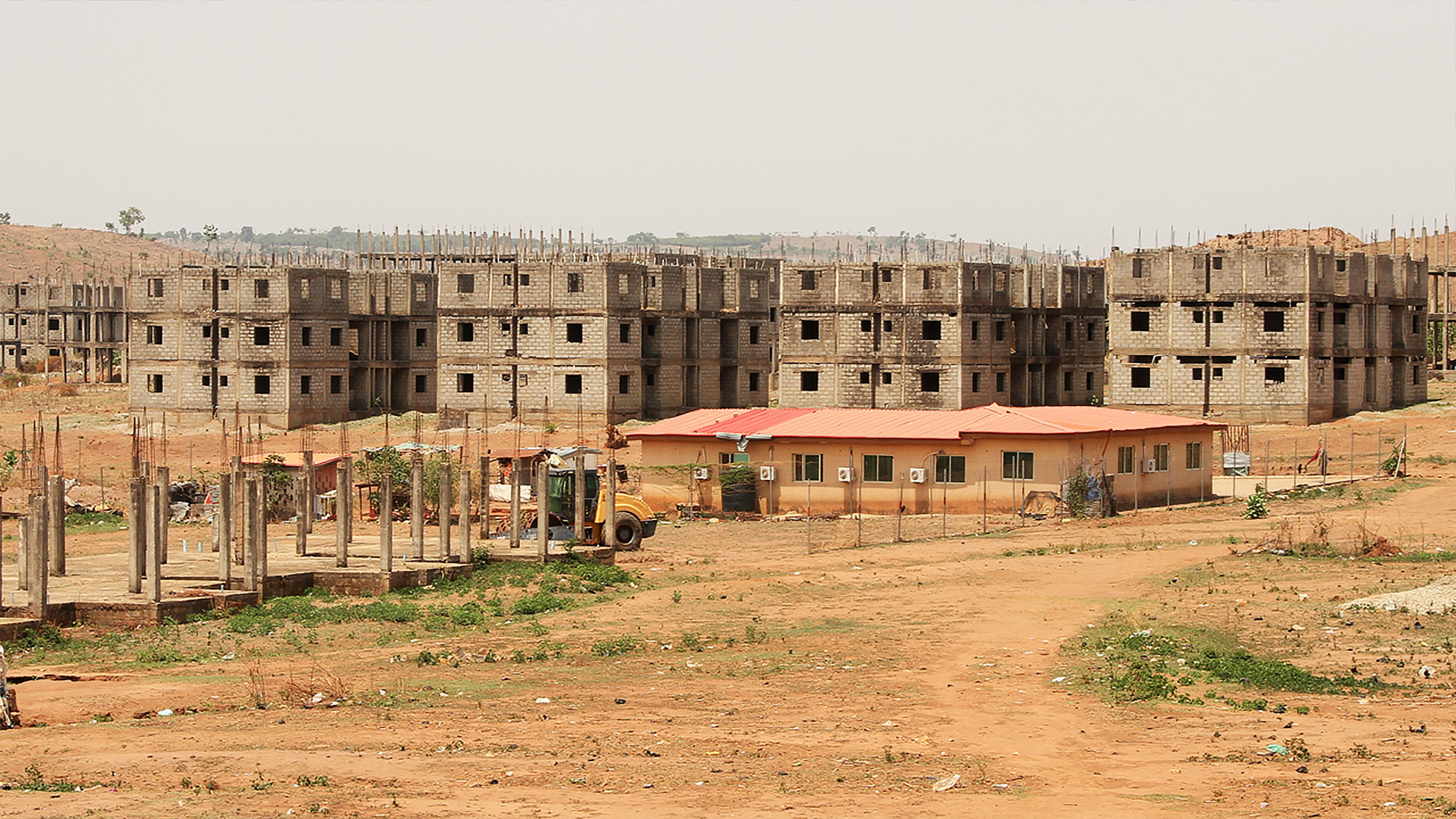
Nigeria’s real estate sector is expected to record uneven submarket growth in 2026, with infrastructure-led expansion and digital integration driving opportunities, even as pre-election uncertainties weigh on investment decisions.
This was contained in the “2026 Nigeria Real Estate Market Outlook Report” by Panterra, which noted that previous election cycles showed a pattern of cautious investment behaviour, followed by selective activity as investors assessed market risks.
The report stated that the 2011, 2015 and 2019 presidential election cycles reflected sensitivity to political transitions, with transaction activity typically slowing before gradually recovering.
According to the study, the period leading to the 2023 elections witnessed increased liquidity in some real estate segments, although it remains unclear whether the surge was driven by genuine demand or speculative activity.
“A strengthening naira, announced inflation reduction and relative foreign exchange stability are focus areas for the managers of Nigeria’s economy. There are also new considerations, including a more assertive approach by the United States towards emerging markets, which could moderate transaction volumes while encouraging more liquid, lower-risk opportunities,” the report said.
The report noted that the real estate sector’s contribution to Nigeria’s economy remains resilient, accounting for about 5 to 6 per cent of GDP, but added that pre-election periods historically bring caution and reduced transaction volumes.

On residential real estate, the report said affordable housing remains the biggest challenge, with low and middle-income segments suffering from persistent supply shortages. “Population growth will likely push more people into informal settlements. This undersupply, however, is absent in the luxury submarket,” the report stated.
It added that short-term rental rates in Lagos and Abuja rose during the festive period due to increased demand, pushing some travellers towards hotel accommodation.
The report noted that annual housing delivery remains below national requirements and may continue into 2026 as infrastructure spending receives priority attention.
Although the Renewed Hope Cities and Estates Programme targets the delivery of more than 20,000 housing units annually, the report said the target was not achieved in 2025. “The residential market targeted at low- and middle-income earners represents the most significant unmet need,” it stated.
It added that developers capable of overcoming financing challenges and lowering construction costs through innovation would likely gain a significant market advantage.
The report also highlighted growing opportunities outside traditional real estate hubs, noting increased project activity in cities such as Enugu, Kano and Niger State due to administrative support, infrastructure investment and relatively affordable entry prices. “The seed of affordable housing is yet to break through to the surface in major cities. This continues to force migration to city outskirts or downsizing to shared apartments,” the report said.
It further observed that rising rents have contributed to more disputes and forced evictions, while some landlords have converted residential properties into short-let apartments to improve revenue.
Investment prospects, it said, favour mixed-use developments incorporating renewable energy solutions, green spaces and modern amenities, particularly in Lagos, Abuja and Port Harcourt.
For the office segment, the report said Lagos remained the strongest market, supported by increased supply, lease negotiations and growing demand for flexible workspaces.
“Offices with secured long-term occupiers retained appeal, taking up new tenants along the way, while older assets faced higher vacancy pressures,” the report said.
It identified new Grade A office developments, including The Pantheon Tower in Ikoyi and Phoenix Office Park in Ikeja, as contributing to increased office stock in Lagos.
However, the report noted that commercial real estate in the Federal Capital Territory continues to face slow absorption and high vacancy rates, with rents for lower-grade office spaces remaining between N50,000 and N70,000 per square metre.
“Smaller office units of 100 square metres and 150 square metres are leased more readily than larger spaces. The market appears to struggle with oversupply of formal office space and high asking rents,” it stated.
On industrial real estate, the report said the expansion of e-commerce would create opportunities for logistics and warehousing facilities, including last-mile delivery hubs and reverse logistics centres.
It noted that Lagos, Abuja and Port Harcourt would benefit most due to higher levels of e-commerce activity. “Business leaders’ concerns centre around labour shortages, transportation management and regulatory requirements, suggesting that logistics facilities located near ports and airports, with streamlined regulatory environments, will likely outperform,” the report said.
However, it warned that some manufacturers were still dealing with inventory pressures after the manufacturing sector recorded N1.24 trillion worth of unsold products in warehouses in the first half of 2024.
On land markets, the report projected continued appreciation in 2026, driven by infrastructure development and diaspora investment. “Land scarcity in urban centres will continue to push values higher. Regional disparities will see the Southwest dominate transaction value due to active market dynamics, despite title risks and speculation,” it said.
The report added that Abuja’s land market would remain influenced by government employment cycles, political activity and the diplomatic community, while Port Harcourt’s market could return to more stable growth due to improving political conditions.
Speaking on the outlook, the Chief Investment Officer, Panterra Real Estate Group, Mr Ayo Ibaru, said opportunities would emerge in mid-market housing, industrial real estate, logistics, warehousing and data centres.
“Nigeria’s real estate market in 2026 presents a surgically segmented set of opportunities requiring nimble positioning. Strong conviction and patient capital will be sine qua non to making progress in 2026,” he said.

