 Follow Us on Google News


 Follow Us on Google Discover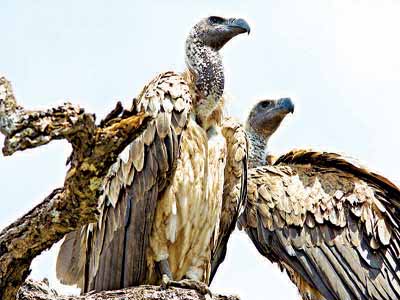
The Second Meeting of the Signatories of the Memorandum of Understanding on the Conservation of Migratory Birds of Prey (Raptors MOU) was held last week in Trondheim at the invitation of the Government of Norway. The Raptors MOU was concluded under the Convention on the Conservation of Migratory Species of Wild Animals as a special instrument to address threats to these species.
Countries agreed to list 12 vulture species, including the Hooded Vulture, White-rumped Vulture and the Lappet-faced Vulture, to Annex 1 of the agreement as a response to the current African Vulture Crisis. Vultures are suffering serious declines caused by illegal take and trade, and poisoning with toxic chemicals, which present serious risks to human health too.
CMS Executive Secretary Bradnee Chambers said: “Vultures are nature’s garbage collectors. These scavengers prevent the spread of disease and thereby directly protect human health. In order to prevent yet another crisis, we must preserve animal and public health in Africa by maintaining this unique self-purification capacity of Nature. In Norway, countries agreed this week on a coordinated international response led by the CMS Raptors MOU to tackle the African Vulture Crisis.”
Efforts to stop the dramatic decline of vultures were supported by Iran which announced its decision to ban diclofenac, a drug which almost wiped out vulture populations in India.
The development of a Multi-Species Action Plan for all Old World Vultures was initiated to halt the decline of vulture populations. The initiative to develop priority species action plans via the Raptors MOU is also included in CMS Resolution 11.14 on Migratory Birds and Flyways.

Illegal killing, taking and trade, conservation action for the Egyptian Vulture, as well as national and regional raptor conservation strategies were on the agenda.

