 Follow Us on Google News
 Follow Us on Google Discover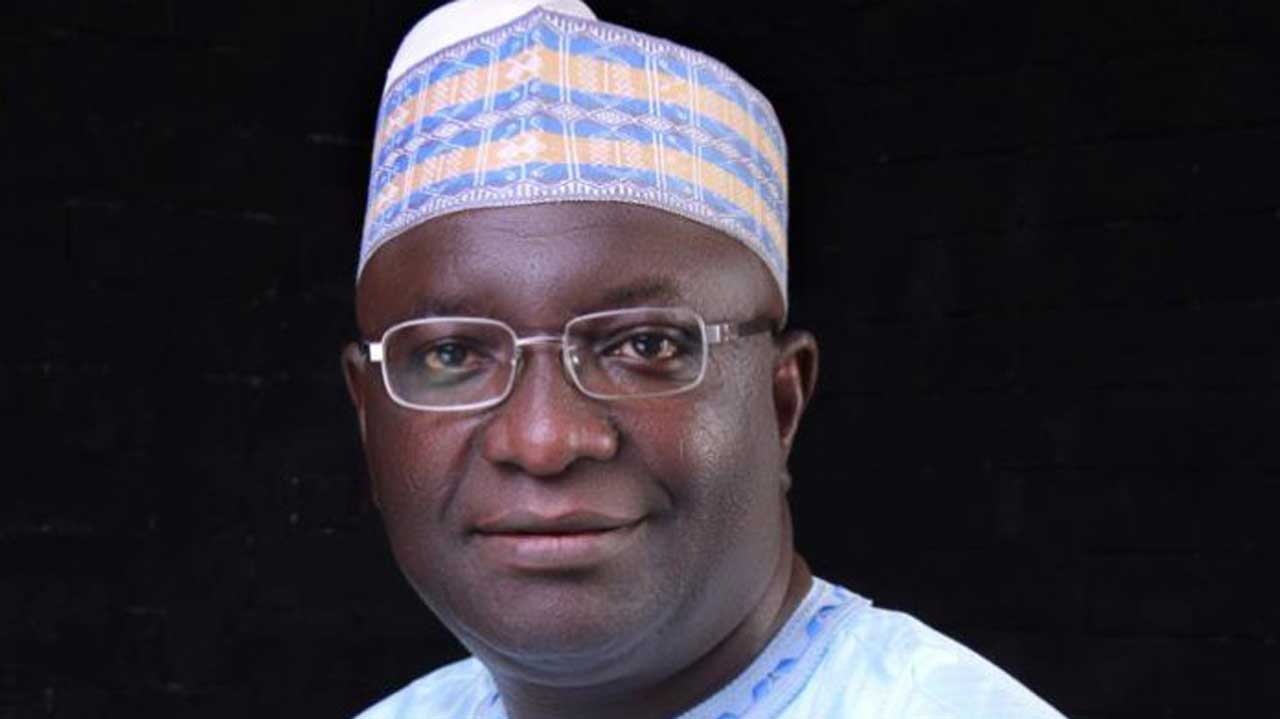
The Nigerian Society of Engineers (NSE) has described the Federal Government’s Nigeria First policy as a historic opportunity to reposition Nigeria as Africa’s leading infrastructure and industrial hub.
The association stressed the need for renewed vigour to reposition the engineering profession as the backbone of Nigeria’s industrial growth, noting that no nation can achieve sustainable development while sidelining its own professionals.
Speaking at his inauguration, NSE President, Ali Rabiu, promised a strategic reset that would place Nigerian engineers at the centre of infrastructure development and national economic transformation.
Reflecting on his experience as a former President of the Council for the Regulation of Engineering in Nigeria (COREN), Rabiu said his return to leadership was motivated by concerns that the Society had drifted from its founding ideals.
He pledged to rebuild the NSE into a standards-driven and ideas-led institution capable of shaping public policy, driving innovation and delivering tangible value to its members and the nation.
Rabiu noted that existing legal frameworks, including the COREN Act and Executive Order Five, already provide strong backing for the objectives of the Nigeria First policy. However, he expressed concern that many government projects running into trillions of naira continue to exclude Nigerian engineers, often with costly consequences.
According to him, Ministries, Departments and Agencies (MDAs), particularly infrastructure-related ministries such as Works, Power, Water Resources and the Federal Capital Territory Administration (FCTA), have largely failed to comply with these laws. “MDAs, especially those responsible for infrastructure delivery, have largely observed these laws in the breach,” Rabiu said.

He warned that weak enforcement has contributed to poor-quality project delivery and inflated costs, urging the Federal Government to make it mandatory for Nigerian engineering consultants to be engaged in the design, supervision and certification of all major public projects.
Rabiu also emphasised that the engineering profession deserves the same level of institutional respect accorded to professions such as law and accounting in national decision-making processes.
As part of his agenda, he pledged to strengthen the professional capacity of engineers, support technical and vocational education, and restore engineering’s influence in national planning and budgeting.
Commenting on the Federal Government’s move to upgrade technical colleges across the country, Rabiu pledged the NSE’s full support in developing skills, empowering youths and reducing dependence on foreign technical labour.
He called on engineers nationwide to rise with a renewed sense of purpose and deliver homegrown solutions to Nigeria’s development challenges.
Rabiu also commended the immediate past President of the NSE, Mrs Margaret Oguntala, for restoring visibility and professionalism to the association, adding that the next phase of development must firmly align engineering practice with national priorities and public policy.

