 Follow Us on Google News


 Follow Us on Google Discover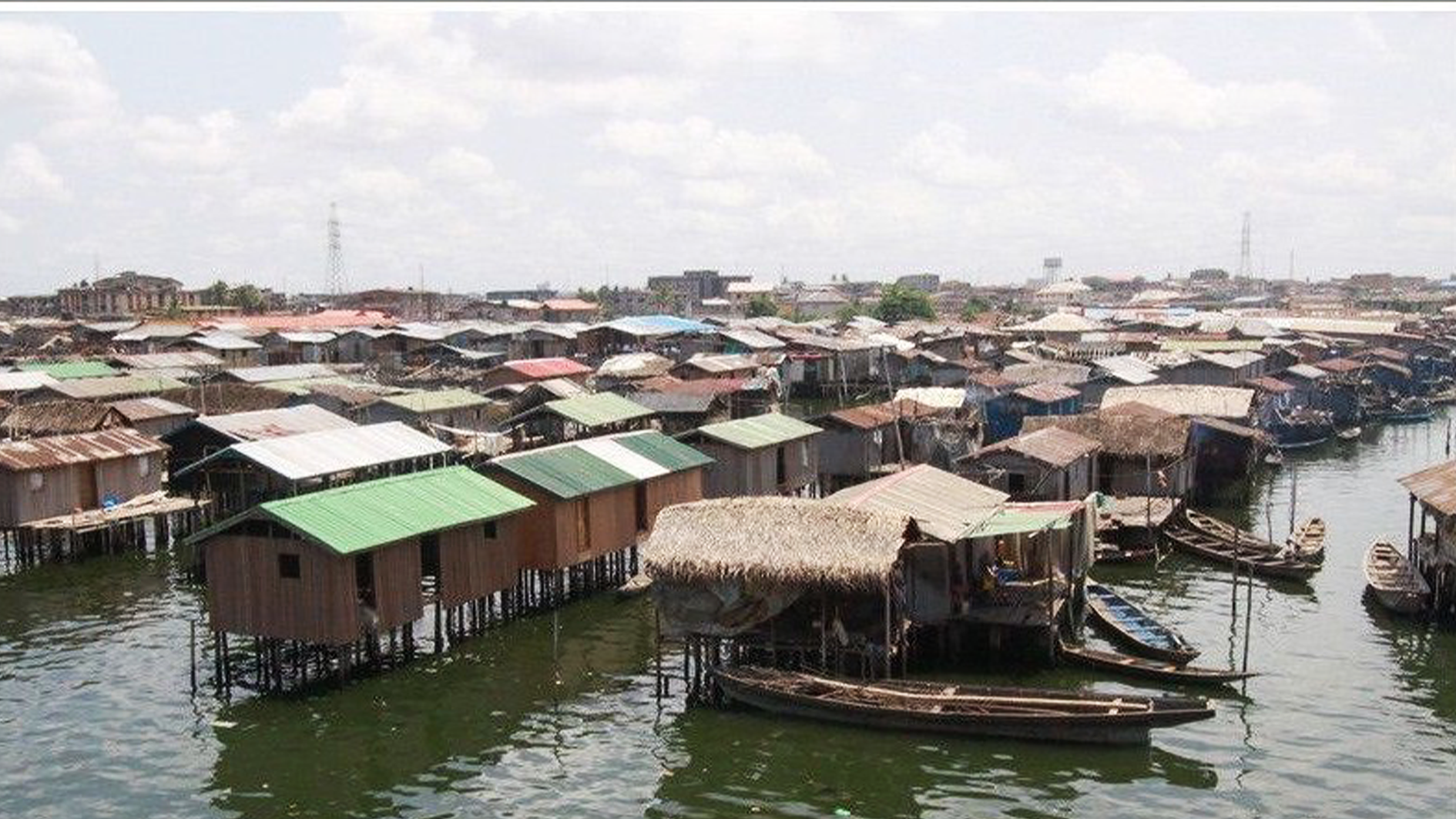
With less than five years remaining to achieve the 2030 SDG targets, Nigeria faces a critical window to accelerate housing development, an opportunity to reshape cities into more inclusive, sustainable and resilient communities. However, for millions of Nigerians living in overcrowded or inadequate housing, achieving the SDG housing targets would mean access to safer homes, better living conditions and a more dignified quality of life, CHINEDUM UWAEGBULAM reports.
Nigeria’s quest to provide adequate housing for its rapidly growing population remains one of the most pressing development challenges confronting the country. As the world pushes toward achieving the United Nations Sustainable Development Goals (SDGs) by 2030, the country’s housing sector has come under renewed scrutiny, particularly under SDG 11, which aims to make cities and human settlements inclusive, safe, resilient and sustainable.
Yet, the scale of the challenge is daunting. New sector data released by the Federal Government shows that Nigeria currently faces a housing deficit of about 14.9 million units, highlighting the enormous gap between housing demand and supply across the country. With a population projected to exceed 460 million by 2030 and an urbanisation rate among the fastest in the world, the country needs to deliver at least 550,000 new homes yearly over the next decade to keep pace with demand. Yet, current output remains far below that threshold.
However, even at 15 million units, Nigeria would need to deliver well above 800,000–900,000 units yearly to materially close the gap before 2030, while current formal yearly output remains far below that level. Estimates show that actual formal delivery is closer to 100,000–150,000 units yearly, meaning current production is inadequate.
The deficit, according to housing experts, represents not only the number of homes that need to be built but also the millions of existing houses that fail to meet basic standards of safety and durability. Government assessments indicate that about 15.2 million housing units across Nigeria are structurally inadequate, meaning they lack key services such as clean water, sanitation, electricity or structural safety.
This dual challenge of insufficient supply and substandard housing has created a situation in which millions of Nigerians live in overcrowded settlements, informal communities and poorly serviced neighbourhoods. Urban centres are particularly affected, and cities continue to experience intense pressure as rural-urban migration accelerates.

In Lagos alone, the housing deficit is estimated at 3.4 million units, despite decades of government and private sector housing programmes. Housing experts warn that without aggressive policy reforms and large-scale investments, the housing gap could widen further as Nigeria’s population continues to grow rapidly.
Why housing matters for SDGs
Housing is central to achieving multiple SDGs beyond sustainable cities. Adequate housing contributes to poverty reduction, improved health outcomes, access to water and sanitation, and climate resilience.
According to experts, housing is the foundation upon which sustainable communities are built. Safe and affordable homes improve access to education, reduce health risks associated with overcrowding and poor sanitation, and provide stability for families.
However, in many Nigerian cities, rapid population growth has outpaced infrastructure development, resulting in sprawling informal settlements and slums. These areas often lack drainage systems, clean water and waste management services, increasing vulnerability to flooding and disease outbreaks.
Addressing these challenges requires more than simply constructing new houses. It also involves upgrading existing neighbourhoods, improving infrastructure and ensuring access to housing finance.
Federal government’s role
The Federal Government plays a critical role in shaping housing policy, financing mechanisms and regulatory frameworks. Recent efforts by the Federal Ministry of Housing and Urban Development have focused on improving data accuracy to guide policy decisions.
The establishment of a National Housing Data Technical Committee was aimed at resolving the long-standing uncertainty surrounding housing deficit figures and providing credible statistics for planning.
With reliable data now available, policymakers said the next step is to accelerate housing delivery through large-scale programmes and partnerships with the private sector.
Government initiatives such as the Renewed Hope Housing Programme, rent-to-own schemes and public-private partnerships are intended to increase the supply of affordable homes across the country.
However, experts argue that financing remains one of the biggest barriers. Mortgage penetration in Nigeria is extremely low compared with many emerging economies, largely due to high interest rates, limited access to long-term loans and weak housing finance institutions.
Role of state governments
While the Federal Government sets policies and financing frameworks, state governments hold the key to housing delivery because they control land administration and urban planning. The Land Use Act of 1978 places land ownership under state governors, meaning that states determine how quickly land titles are issued and development approvals granted.
Unfortunately, bureaucratic delays, high land costs and weak planning systems often slow down housing development. Urban planners said states must reform land administration systems by digitising land registries, simplifying approval processes and establishing land banks for housing projects. These reforms could significantly reduce the cost of housing development and encourage private sector participation.
Infrastructure provision is another critical responsibility of state governments. Roads, drainage, water supply and electricity are essential components of sustainable housing. Without these services, housing projects often become unaffordable or unsustainable.
Need for private sector participation
Given the scale of Nigeria’s housing deficit, the private sector is expected to play a major role in delivering new housing units. Developers, housing cooperatives and financial institutions have already contributed significantly to housing supply, particularly in major cities. However, the high cost of building materials, limited access to finance and inadequate infrastructure have constrained the sector’s ability to scale up production.
Experts believe that government incentives such as tax reliefs, land concessions and streamlined approval processes could encourage more private investment in affordable housing. Innovative construction technologies, including prefabricated housing systems and alternative building materials, are also gaining attention as ways to reduce construction costs and speed up housing delivery.
Climate resilience and sustainable housing
Another key element of the SDG housing agenda is climate resilience. As climate change intensifies extreme weather events, the design and location of housing developments are becoming increasingly important.
Flooding has become a major threat in several Nigerian cities, particularly in coastal areas like Lagos, Delta, Rivers and Bayelsa States. Poorly planned housing developments in flood-prone areas have led to repeated displacement of communities and destruction of property.
To address this challenge, experts recommend integrating climate-resilient designs into housing construction, including improved drainage systems, flood-resistant foundations and energy-efficient building materials. Such measures would not only protect residents but also align Nigeria’s housing sector with global sustainability standards.
Also, the experts noted that meeting the SDG housing targets will require stronger collaboration between federal and state governments, improved housing finance systems, land reforms and increased private sector participation. Equally important is the need for transparent data and measurable targets that allow policymakers to track progress and adjust strategies when necessary.
Immediate past Managing Director/Chief Executive Officer of Wemabod Limited, Mr Oluyemi Ejidiran, told The Guardian that Nigeria’s housing position is improving institutionally, but remains far from sufficient in terms of delivery scale. “Meeting full SDG 11 housing targets by 2030 is unlikely at the current pace of production, unless immediate structural reforms are implemented,” he said.
According to him, while Nigeria may not fully eliminate its housing deficit by 2030, it can significantly improve access to safe and affordable housing under SDG 11.1 if reforms shift from policy formulation to execution.
Ejidiran stressed that land titling must become digital and fast-tracked nationwide, mass housing should adopt locally sourced industrial building materials, and state governments must open up serviced land banks. He also called for mortgage systems that go beyond salary-based borrowers, while urging federal institutions to end fragmented operations.
He noted that the country’s housing challenge is not due to a lack of schemes, but weak institutional continuity and fragmented execution. “Many estates are launched, but few evolve into scalable housing ecosystems. The Land Use Act still creates delays, as the governor’s consent dominates title transfers, while many estates lack integration with transport, drainage, schools, clinics and power infrastructure,” he said.
Ejidiran further observed that many so-called affordable housing units remain beyond the repayment capacity of middle-income earners. He called for urgent operational reforms to the Land Use Act, the establishment of mandatory state housing delivery agencies with measurable annual targets, nationwide adoption of mortgage foreclosure laws, and fiscal incentives for developers, including VAT relief, import duty waivers on essential components and tax incentives, alongside stronger Public-Private Partnerships (PPPs) regulation.
He added that Nigeria does not only need cheaper mortgages, but a range of financing options tailored to different income levels, such as incremental housing finance, which would enable banks to fund construction in stages from foundation to structural work, roofing and finishing.
A former Chairman of the Lagos Branch of the Nigerian Institution of Estate Surveyors and Valuers (NIESV), Mr Stephen Jagun, said Nigeria is far off track in meeting the 2030 housing targets, with delivery levels significantly below required thresholds. “There must be an immediate shift from government as a builder to government as an enabler,” he said.
According to him, affordability, not just supply, remains Nigeria’s biggest housing challenge. He recommended the adoption of rent-to-own schemes, cooperative housing, diaspora housing bonds and employer-assisted housing, where multinational companies or staff cooperatives co-finance housing and leverage economies of scale. He also advocated micro-mortgages to provide small-ticket loans for informal sector workers.
Jagun urged the government to avoid the creation of “low-income ghettos” by promoting mixed-income and mixed-use communities. He stressed the need to upgrade existing informal settlements by providing basic services rather than displacing residents. “If Nigeria can fix land administration and housing finance, enable the private sector, and plan cities properly, mass housing delivery can scale rapidly,” he added.
Chairman, Ogun State Branch of the NIESV, Adeolu Adejimi, said achieving SDG 11 housing targets is ambitious but not unattainable. “To accelerate progress, the country requires multi-billion-dollar investment in housing, far-reaching policy reforms and innovative delivery solutions. Government must prioritise affordable housing, streamline land acquisition processes and create a more enabling environment for private sector participation,” he said.
To bridge existing gaps, Adejimi stressed the need for a national housing policy with clear targets and implementation timelines, increased budgetary allocation to the sector, comprehensive land titling reforms and stronger public-private partnerships for infrastructure development.
On sustainable urban planning, he urged the government to prioritise green building practices, invest in climate-resilient infrastructure and promote mixed-use developments.
He also advocated transit-oriented development, inclusive zoning policies and the use of technology to drive smart city planning.

