 Follow Us on Google News


 Follow Us on Google Discover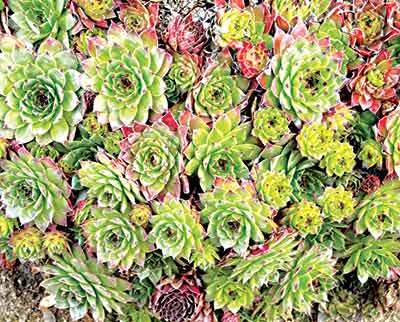

IN environmental horticulture (gardening is the word), one of the issues of great concern are water conservation and greening of the landscape.
We must take a moment to rethink how much water literally goes down the drain in your garden. There are useful tips for you to conserve and manage water efficiently. Any of these ideas will start you saving time and money in your garden. Try them.
Reduce Impact of Water Guzzling Plant
Species with low water needs will save you time and money in the garden these include:
established or slow growing plants
small plants; varieties with small or narrow leaves; grey or silver foliage or leathery, hairy, curled or fuzzy leaves that typically require less moisture.
Take a look at your garden and see how many low water plants you have, look for narrow leaves that lose less moisture. Or is your garden full of water guzzling plants,
Growing a majority of thirsty plants that suck up moisture can steal your time and money!
These include: plants with high fertilizer needs, species with large leaves, newly planted vegetation or fast growing species. Broad leafed plants use their leaves like large ‘solar panels; to photosynthesize and grow, but they also lose more moisture and have a greater need for water large leafed plants require and transpire more water over slender leafed varieties. Leaves that reflect more of the sun’s radiation (e.g gray or silver) usually lose water through transpiration at a lower rate than green leaves.
Once plants are established more harm than good is done by giving them a daily sprinkling. Deep less frequent watering works better like thrice or four times weekly.


Consider the life cycle of the plants in your garden when you water.
For example, recent transplants need frequent light watering to accommodate their shallow, young roots and ease the shock of being pulled from their packs. Steady watering is critical at the time of flowering and fruit formation. For some plants, like tomatoes, yield may improve but some flavor may be lost with too much watering as fruit ripens. Carrots and cabbages watering should be reduced as the plants reach maturity to keep the vegetables from splitting.
Plants that can tolerate higher leaf temperatures also evaporate at a lower rate.
Native plants and succulents make better choices than some of the more common landscape plants, so do a garden ‘audit’ and make water wise choices. Newly installed plants (even natives and drought tolerant species) need adequate water until they become established when water requirement will reduce.
Know also many plants considered low water use species will use water at a high rate if water is available and revert to low water use when not available. Plants will respond to the amount of water they receive. So get the message: low water use plants won’t conserve water if they are irrigated as high water use plants.
Create a microclimate like in the forest, you have tall plants (trees) under their shade small plants thrive. Include some tall species or garden structure that will provide more shade in your garden where possible. Create a microclimate to increase shade and reduce water loss by planting tall plants over an under storey.

Capture water with Good Design: Using a variety of design principles in your garden will help you retain moisture where you need it by storing moisture in the soil and assist run off in areas that get too wet. Some simple principles to apply are: use plant water loving species that suck up moisture in boggy areas or use diversion, drains, swales, terraces will help intercept water flow and spread it out, so it seeps slowly into the ground where you want it rather than being lost into drains and causing erosion. Build mounds around trees and shrubs to reduce runoff and allow water to soak slowly into the soil around the canopy drip line and roots. Good design also applies to pruning: remove unnecessary lower branches and leaves from trees.
Trees are more visually appealing when their lower branches are trimmed to ‘lift’ the canopy and create better structure. Removing unnecessary foliage reduces water requirements too.
Grow thirsty plants together: If you have space in your garden, you can save yourself some trouble by grouping plants according to their water needs. By grouping the plants according to their water needs, you won’t waste water where it isn’t needed.
Choose watering time wisely. Early morning, late afternoon and evening are usually considered best for watering because the cooler temperatures mean less water will evaporate.
Limiting your watering to any of these times is particularly good idea if you use overhead sprinklers. Under bright sunshine, water droplets intensify the rays and can singe the leaves. It’s also safer not to water at night, as leaves remain wet, which may encourage disease. In arid places, however, some people decide to risk night watering to give the water longer to soak into the soil and cut evaporation from the sun.

Other factors That Affect Plant Water Use: Applying fertilizer stimulates growth and increase water use in lawn, ornamental shrubs and trees, fruits and vegetables. Pruning of landscape plants promotes new growth that results in higher water use. When plants are flowering and fruiting they have greater water needs. High, frequent mowing of lawn increases water needs. High, frequent mowing of lawn increases water use by providing more leaf surface for transpiration, however, this type of mowing increases rooting depth, building a healthier root system making the grass more drought tolerant.
Tips for minimizing plant water Use:
choose native and low water use plants in your garden
select smaller plants rather than larger ones
reduce fertilizer use to the lowest level possible to maintain healthy plants.
Use surface mulches around plants and in bare soil areas.
Avoid excessive watering

Zone irrigation systems to water plants grouped where possible by their water use and soil type.
Increase mowing heights of lawns to allow grass to develop deeper root systems.
Keep the lawn mower blade sharp to make cleaner cuts that cause less water loss than cuts from dull mower blades.
Control all weeds that steal water that would otherwise be available for desirable plants.
Be tough! Don’t waste water on unhealthy or undesirable plants – instead remove or replace them. Remember don’t do a week’s worth watering all at once (the ground probably won’t absorb it and water will run off), and don’t water a few minutes everyday (the top layer will stay soggy and water won’t get down to the roots). Instead you should water like three times a week for a third of your required minutes each time, with a day or two off in between watering.
Don’t forget to subtract for rain.
Weather factors that impact watering include cool temperature, high humidity the wet rainy season, shade and no wind which all reduce the need for irrigation whereas hot, windy dry season with low humidity like harmattan season will increase the need for watering.
Soils: Soils also vary with location and influence water needs – keep in mind that mulched clay soils have lower water needs than bare sandy soils.
With all these in mind, you should be able to be water wise and more eco-friendly in your garden practice. You’ll be saving yourself time and money and producing a great garden!

