 Follow Us on Google News


 Follow Us on Google Discover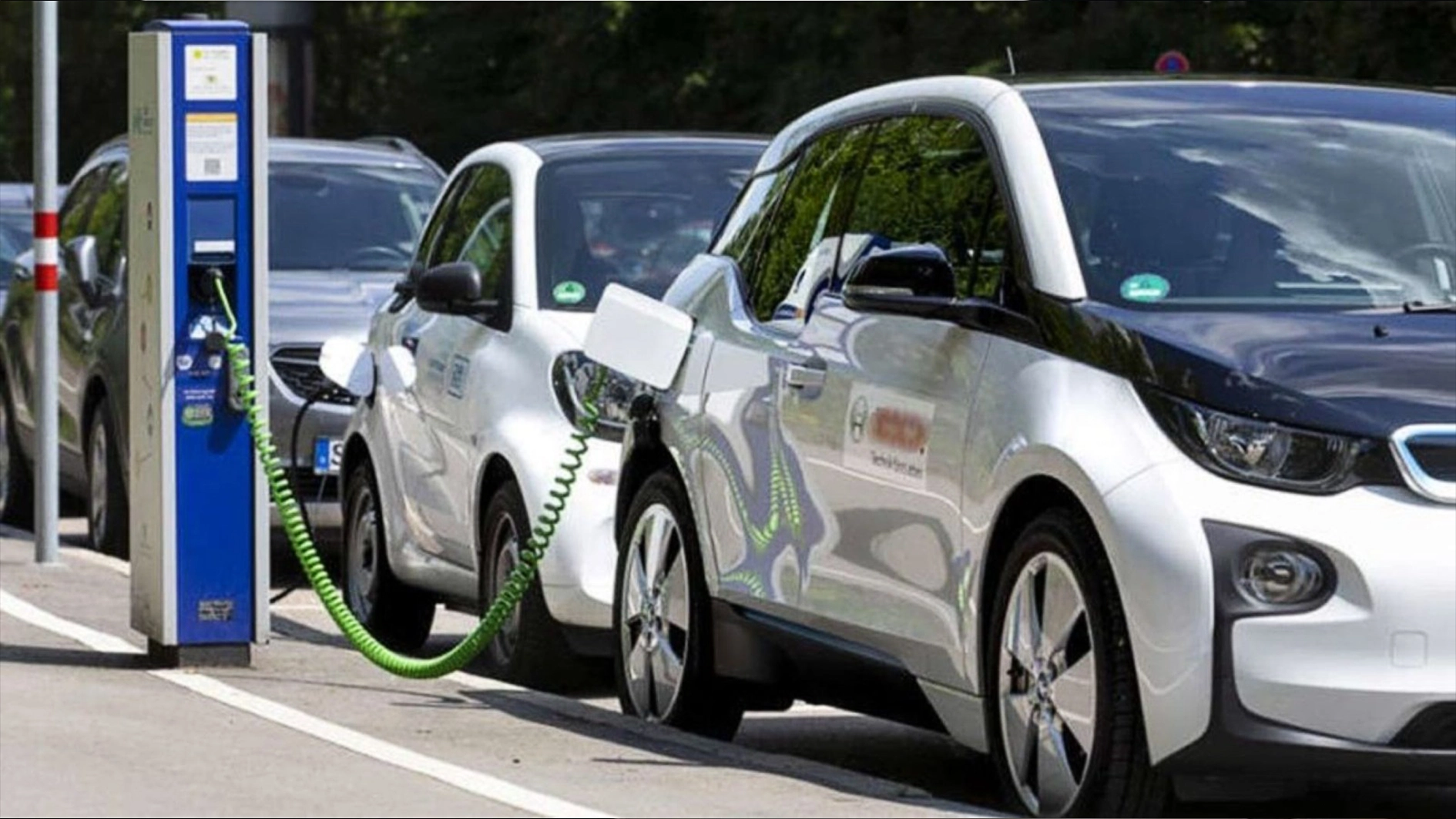
Global trade in Electric Vehicles (EVs), batteries, and critical minerals gained significant momentum in the first half of 2026, underscoring the growing role of electric mobility in shaping international commerce despite rising geopolitical tensions and higher energy costs.
According to the latest Global Trade Update by the United Nations Conference on Trade and Development (UNCTAD), technology-intensive sectors linked to the clean mobility transition emerged among the strongest performers during the period.
UNCTAD reported that global trade in electric vehicles expanded by 11 per cent in the first quarter of 2026, while battery trade rose 15 per cent, reflecting sustained global demand for electrified transport.
The report also showed that trade in critical minerals—essential for EV battery production—jumped 38 per cent, the fastest-growing product category. In comparison, semiconductor trade increased by 25 per cent and information and communications technology (ICT) products recorded 14 per cent growth.
The strong performance of electric mobility-related sectors contributed to global goods trade reaching an estimated $13.7 trillion in the first half of 2026, a 12.5 per cent increase over the corresponding period of 2025. Services trade also rose by 10.5 per cent, adding nearly $2 trillion to global trade and putting the world on track for a record year.
UNCTAD, however, noted that a significant portion of the increase reflected higher prices rather than stronger trade volumes.

Shipping disruptions through the Strait of Hormuz and concerns over global energy supplies pushed up transportation, logistics and production costs, resulting in traded goods prices rising by about 3.6 per cent in the first quarter and an estimated 5.1 per cent in the second quarter.
The report said East Asia remained the driving force behind the expansion in electric mobility supply chains, with China and the Republic of Korea posting strong import and export performance that underpinned growth in global technology trade.
China also continued to strengthen its trade position, with its trade surplus widening during the period, while the United States recorded a narrowing of its trade deficit.
Despite the robust growth in EV-related products, not every clean energy segment benefited equally.
UNCTAD said trade declined in chemicals, iron and steel, as well as some renewable energy products, while fossil fuel trade increased mainly because of higher prices rather than higher demand.
The report suggests that demand for artificial intelligence infrastructure and electric mobility technologies is becoming a major driver of international trade, reinforcing the strategic importance of batteries, semiconductors and critical minerals to the future of the global automotive industry.

