 Follow Us on Google News


 Follow Us on Google Discover
Africa’s sound global takeover through Afrobeats and Amapiano is not accidental; it is the culmination of decades of groundwork—from highlife and juju to kwaito and hip-hop experiments.
From Lagos to London, Accra to Atlanta, Johannesburg to Berlin, the genres have evolved from being regional movements into global music and pop culture, redefining narratives around African creativity and influence.
Afrobeats, distinct from Afrobeat, the politically charged genre pioneered by Fela Anikulapo Kuti is a fusion of highlife, hip-hop, R&B, dancehall, and traditional rhythm. Though it emerged in the early 2000s, the 2010s marked its breakout decade. It is championed by stars like Wizkid, Burna Boy, Davido, Tems, Rema, Tiwa Savage, Olamide, Ayra Starr, among others.
According to industry watchers, Afrobeats is taking over the global charts not just because it’s really catchy, but because it’s a masterclass in cultural fusion, blending different cultures. It feels like home to people, no matter where they are from.
From Burna Boy’s assertive anthems to Sarz’s distinctive production flair often laced with lively beats of Yoruba Fuji to the guitar-driven vibes of Highlife, coupled with the silky, melodic vocals of Wizkid, Tems, Rema, and Asake, who create tracks that seamlessly fit both a laid-back evening at home and an electrifying night out at the club, the fusion lends the genre its appeal and competitive advantage.
Amapiano, a unique blend of deep house, jazz, and kwaito, characterised by heavy basslines, soulful vocals, and synth melodies is powered by South African innovators like Kabza De Small, DJ Maphorisa (Scorpion Kings), MFR Souls, Mr JazziQ (JazziDisciples), DJ Stokie, Junior Taurus, and Vigro Deep.
While the exact origin is debated, its development is traced to producers and DJs in South African townships like Soweto, Alexandra, Katlehong during the early-to-mid 2010s. It emerged from a mix of Bacardi house, deep house, and jazz, evolving from a slowed-down, expensive township sound in the early 2010s to a global phenomenon by the 2020s.
The genre’s unique signature is the log drum — the deep, vibrating bassline that you don’t just hear but actually feel. It’s like a modern twist on an age-old drum that stirs something primal within the listener. Also, the slow, deliberate pace Kwaito (the attitude), usually around 110–115 BPM; it doesn’t rush you. It’s music for people who are comfortable in their own skin.
While the genre borrows that steady 4/4 rhythm and the atmospheric, emotional layers of House music, making it feel spiritual to many listeners, the jazzy keys and synth pad gives it the luxury feel. The vocal harmonies feel inclusive and uplifting. It’s why you can hear the same track at a high-end rooftop bar and a dusty street bash.
Afrobeats bring high-energy celebration, while Amapiano delivers a deep, soulful groove. Both genres represent more than sonic trends. They signal Africa’s long-awaited mainstream moment. By fusing familiar global sounds with authentic African rhythms, they create a universal language that hits the heart before the brain.
Billboard’s 2025 festival guide lists African-music-forward stages across Africa, Europe and the Americas. This information was useful for planning release windows like aiming for the EU/UK in Q2 to Q3 and South Africa in the summer of Q4. Also, it helps to connect city pairs around diaspora centers.
Notably, trade publications and venue updates show that Burna Boy is set to make history as the first African artiste to headline a UK stadium (at the London Stadium in 2023), with a return in 2024 — rate-card setting proof for headliners.
In recognition of the African sounds, the Recording Academy, organisers of the Grammy awards in 2024, kicked off the Best African Music Performance category, and Tyla took home the first award for her track Water, a pop song with amapiano vibes that even made it onto the US charts.
IFPI, the voice of the recording industry worldwide, representing more than 8,000 record company members across the globe in its Global Music Report for 2025, noted that recorded-music revenues in Sub-Saharan Africa received a remarkable growth, soaring by 22.6 percent in 2024 and surpassing the $100 million mark for the very first time.
Meanwhile, the global music market reached a value of $29.6 billion, reflecting a growth of 4.8 percent. These figures, published in March 2025, highlight not just excitement, but a clear demand that is ready to be met.
CISAC’s Global Collections Report 2025 reveals that creators earned a remarkable €13.97 billion in royalties in 2024, which is a 6.6 per cent increase from the previous year. Digital income also witnessed impressive growth in the double digits, highlighting that licensed usage, including what is used for sync, is on the rise globally.
Notwithstanding their origination from different parts of Africa, both genres have gone beyond being just local music styles; they are now making a significant impact on global pop culture. What is particularly amazing right now isn’t just how each of the sounds is thriving; it is how they are coming together, mixing, and evolving into the new hybrid wave that everyone is starting to notice.
Afrobeats, Amapiano… genres making Africa sing
Date: 21 February 2026 5:06am WAT
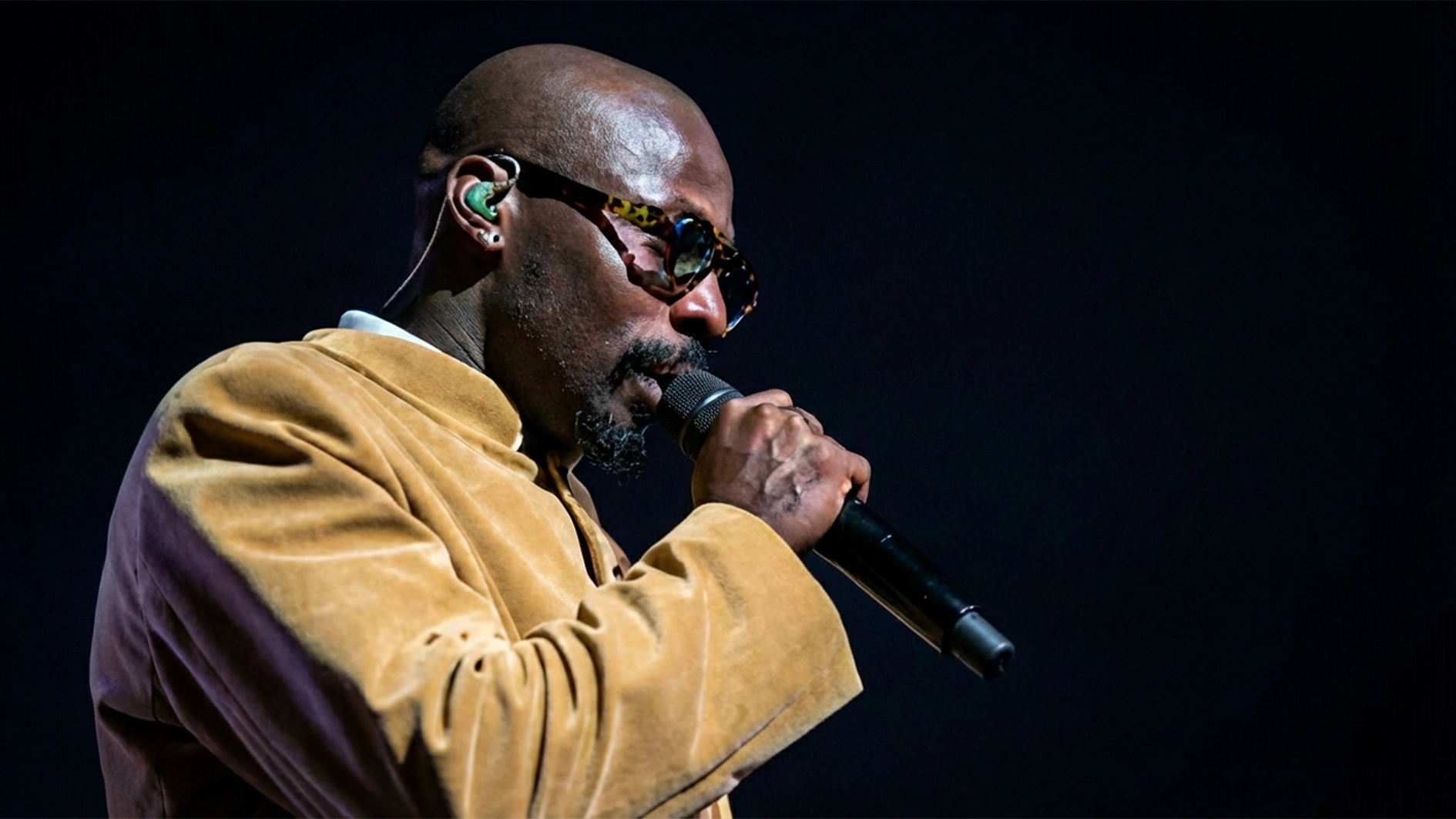
Asake
Asake

