 Follow Us on Google News


 Follow Us on Google Discover
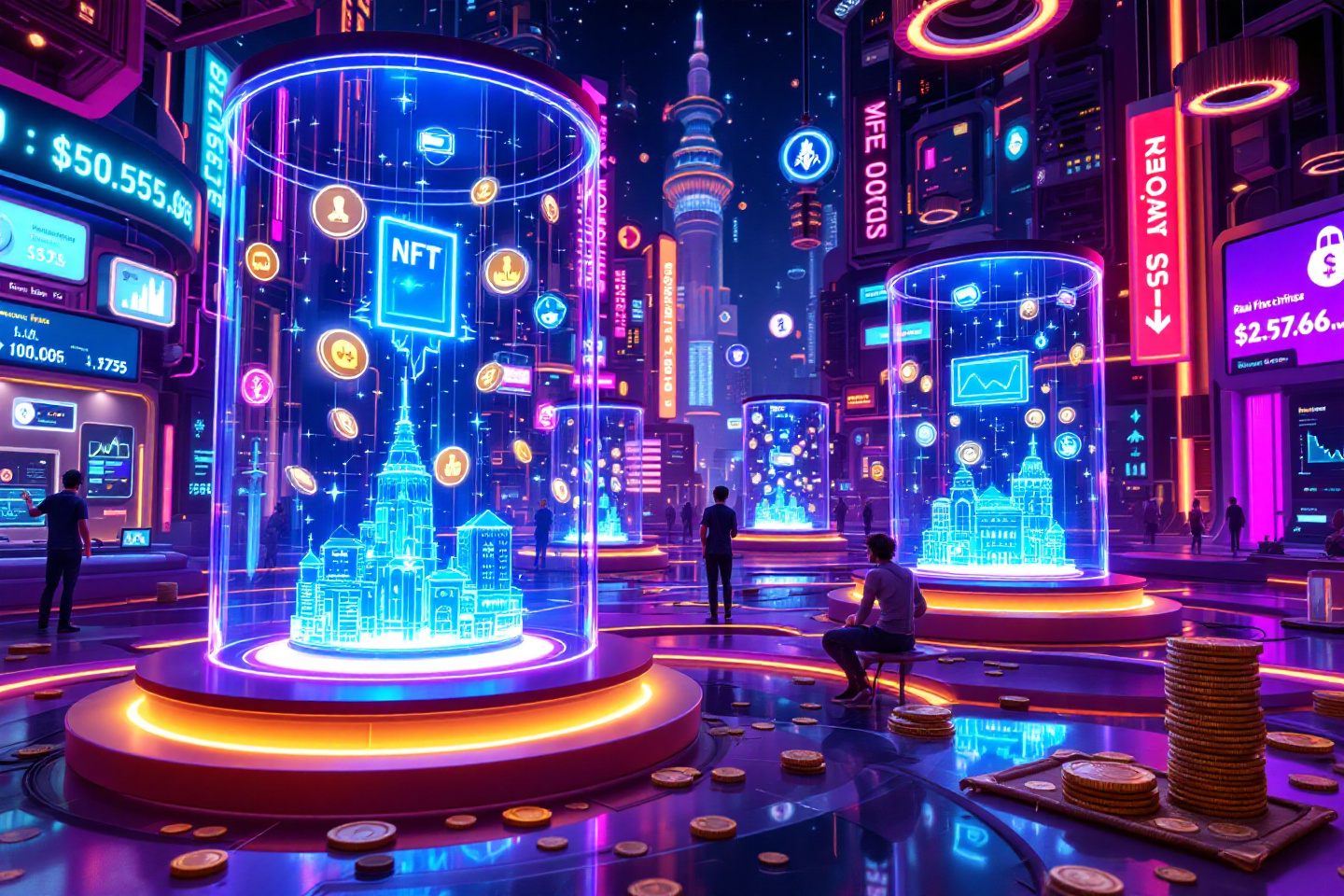 If you believe NFTs hit their peak in 2021, you’ve missed what really happened. The market didn’t vanish — it evolved. And in 2025, those still in the game aren’t chasing fads. Today’s NFT space is more defined, more practical. NFTs now generate passive income, unlock features in gaming ecosystems, and even serve as digital property. If you’re looking to get involved in NFT trading, knowing how to open exness account can be an essential first step in building your digital asset portfolio. It’s no longer just about NFT selling — it’s about building around real utility and long-term value.
Creators are launching collections with built-in mechanics. Collectors are earning recurring income through royalties. Gamers? They’re making money by renting out skins and virtual land inside metaverse games. And the best part — it’s all accessible, even if you’re just getting started and still learning how to make money with NFTs as a beginner.
This guide isn’t here to hype trends. It’s here to walk you through what’s working, what to steer clear of, and how to create consistent returns — whether you’re flipping NFTs, building collections, or adding utility to your digital assets. Let’s get into it.
What are NFTs and how do they earn money?
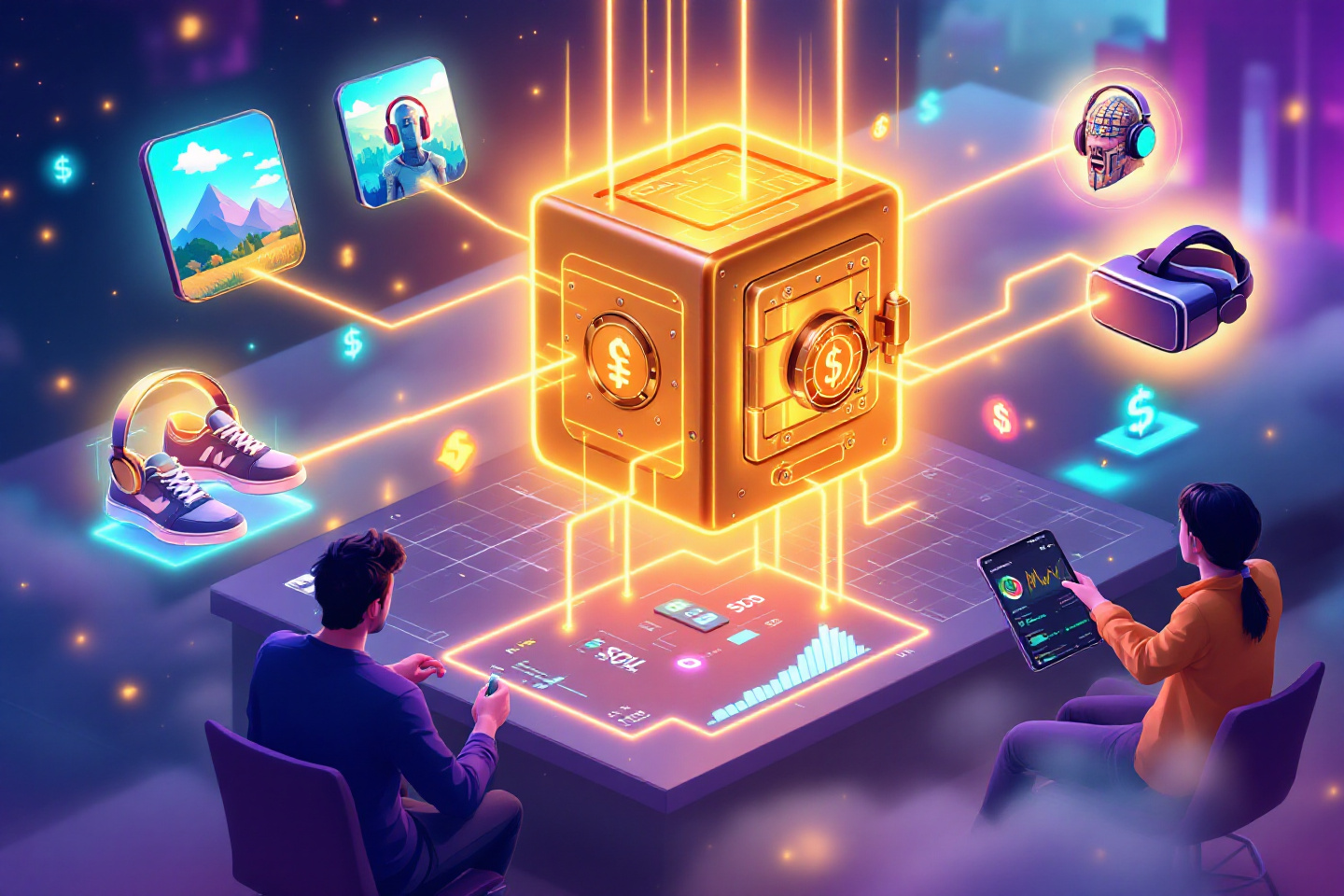
Non-Fungible Tokens, commonly known as NFTs, are digital assets that prove ownership of a specific item using blockchain technology. Unlike cryptocurrencies such as Bitcoin or Ethereum, which are identical and interchangeable, NFTs are one-of-a-kind. Each token holds unique information, which makes it impossible to swap one NFT for another as an equal trade.
NFTs are commonly used to represent digital artwork, music, collectibles, virtual land, and even in-game items. When someone owns an NFT, they own a certified digital proof of ownership that is stored on a blockchain, which cannot be copied, tampered with, or faked.

Whether you’re a digital artist, a gamer, or a collector, NFTs allow you to claim, buy, or sell ownership of a digital item in a way that is secure and trackable.
How NFTs work
1. Creation (Minting)
NFTs are created through a process called minting. This involves taking a digital file — such as an artwork, song, video, or document — and registering it as a unique token on a blockchain. During this process, important details like the creator’s name, the date of creation, and the NFT’s characteristics are permanently recorded. Once minted, the NFT becomes a verified digital asset that no one else can replicate.
Example: An artist can mint a digital painting on platforms like AirNFTs or Rarible and list it for sale. The minted NFT proves they are the original creator and owner until it is sold.
2. Storage on the blockchain
Every NFT contains metadata — a digital fingerprint that includes information about the asset it represents. This metadata, along with the ownership record, is stored on a blockchain. Blockchains like Ethereum, Polygon, and Solana serve as digital ledgers that track the full history of the NFT: who created it, who has owned it, and whether it’s ever been resold.
Because this information is stored across a decentralized network of computers, it is considered tamper-proof. This transparency gives both creators and collectors confidence that the digital item is authentic and cannot be altered.
3. Ownership and transfer
Once minted, NFTs can be bought, sold, or traded on marketplaces like OpenSea, Magic Eden, or LooksRare. These platforms allow users to connect their crypto wallets, browse listings, and complete transactions using digital currencies like ETH or SOL.
When an NFT is sold, the transaction is recorded on the blockchain, updating the ownership record to reflect the new buyer. The seller receives the agreed payment, and the buyer gets full control of the NFT. Some NFTs also include royalty settings, allowing the original creator to earn a percentage every time the NFT is resold in the future.
How to make money with NFTs as a beginner

Currently, getting started with NFTs is no longer just for coders or digital artists. Platforms have become beginner-friendly, and strategies are clearer. Still, you need to know how to avoid mistakes. Learning how to make money with NFTs as a beginner starts with choosing the right tools and knowing where to look.
Start with NFT flipping
NFT flipping is one of the fastest ways for beginners to earn. The concept is simple. Buy low and sell high. But doing this successfully involves more than just guessing or chasing hype. It requires research, timing, and the right set of tools.
Here are some tools many NFT collectors use to flip profitably.
-
Trait Sniper. Helps identify rare traits in a collection, making it easier to find undervalued NFTs.
-
Blur. A marketplace with powerful tools for finding underpriced NFTs, mainly on Ethereum.
-
Magic Eden. A beginner-friendly platform focused on Solana NFTs.
-
Mintify and Alpha Sharks. These tools help track NFT wallet activity, new mints, and which projects big collectors are buying into.
A popular approach for new traders is micro-flipping. This involves buying low-cost NFTs, typically under $20, and selling them for small but consistent profits. The goal here isn’t to hit big wins, but to manage risk while getting used to NFT selling.
Know the marketplaces
NFT marketplaces are where all the buying, selling, and flipping happens. Knowing which platform suits your needs can make a huge difference in your experience and profits.
-
OpenSea. The largest NFT marketplace with support for various blockchains.
-
Blur and Tensor. Known for fast trading and detailed analytics. Often used by more active flippers.
-
Magic Eden. A simple, clean interface focused on Solana NFTs. Ideal for beginners who want to avoid high Ethereum gas fees.
Most of these platforms offer tools like real-time floor price charts, volume tracking, and mint alerts. These features help you spot trends and make faster decisions.
Track NFT trends
If you’re serious about figuring out how to make money with NFTs as a beginner, you need to stay on top of what’s trending. The NFT space moves quickly. What was hot last month may be forgotten today. By staying tuned in, you’ll know what buyers are currently excited about — and where the next opportunity might be.
Trends worth watching right now include:
-
AI-generated art projects. These are gaining popularity for their uniqueness and visual appeal.
-
Dynamic NFTs. These change over time or based on interaction, making them more engaging to collectors.
-
Mint passes. Holding one gives you early access to future NFT drops or exclusive content.
To stay updated, follow NFT communities on platforms like Discord or X. Many groups share free insights, alerts, and discussion on new projects. Some are invite-only or offer paid memberships, but there are still plenty of valuable free resources.
Create and sell your own NFTs
If you create and sell NFTs, don’t rush your drop. Take time to build visibility. Share behind-the-scenes on Farcaster, post progress on X (formerly Twitter), and offer early whitelist spots.
When you’re ready to launch, price based on value, not hype. Use sites like PricingBot or compare similar collections on Magic Eden. Keep mint costs low to attract early buyers.
Also, always set up NFT royalties in your smart contract. Many platforms are now enforcing resale royalties, meaning you get paid automatically every time your NFT sells again. If you are trading in Naira, you might want to consider brokers that offer Naira as account base currency, allowing you to manage your profits in local currency without currency conversion fees.
That’s passive income from NFTs — and it adds up fast. Here’s a step-by-step guide on how to create and sell your own NFTs.
-
Choose the right platform. Before minting, decide where to launch. Each platform serves different goals
-
Connect your crypto wallet. You’ll need a wallet like MetaMask or Rainbow. This wallet connects you to the platform and signs transactions.
-
Mint the NFT. Upload your file, image, video, or audio. Add a title, description, and any unlockable content. Set NFT royalties (5–10% is common) and choose edition size. Click “Mint” and confirm the transaction in your wallet. That’s it, you’ve minted your NFT.
-
List your NFT for sale. After minting, decide how to sell
-
Fixed price. Set a set amount in ETH or USDC
-
Auction. Let buyers place bids over time
-
Reserve price. Set a minimum price; the sale activates once it’s met (popular on Foundation)
Earn passive income with NFT royalties
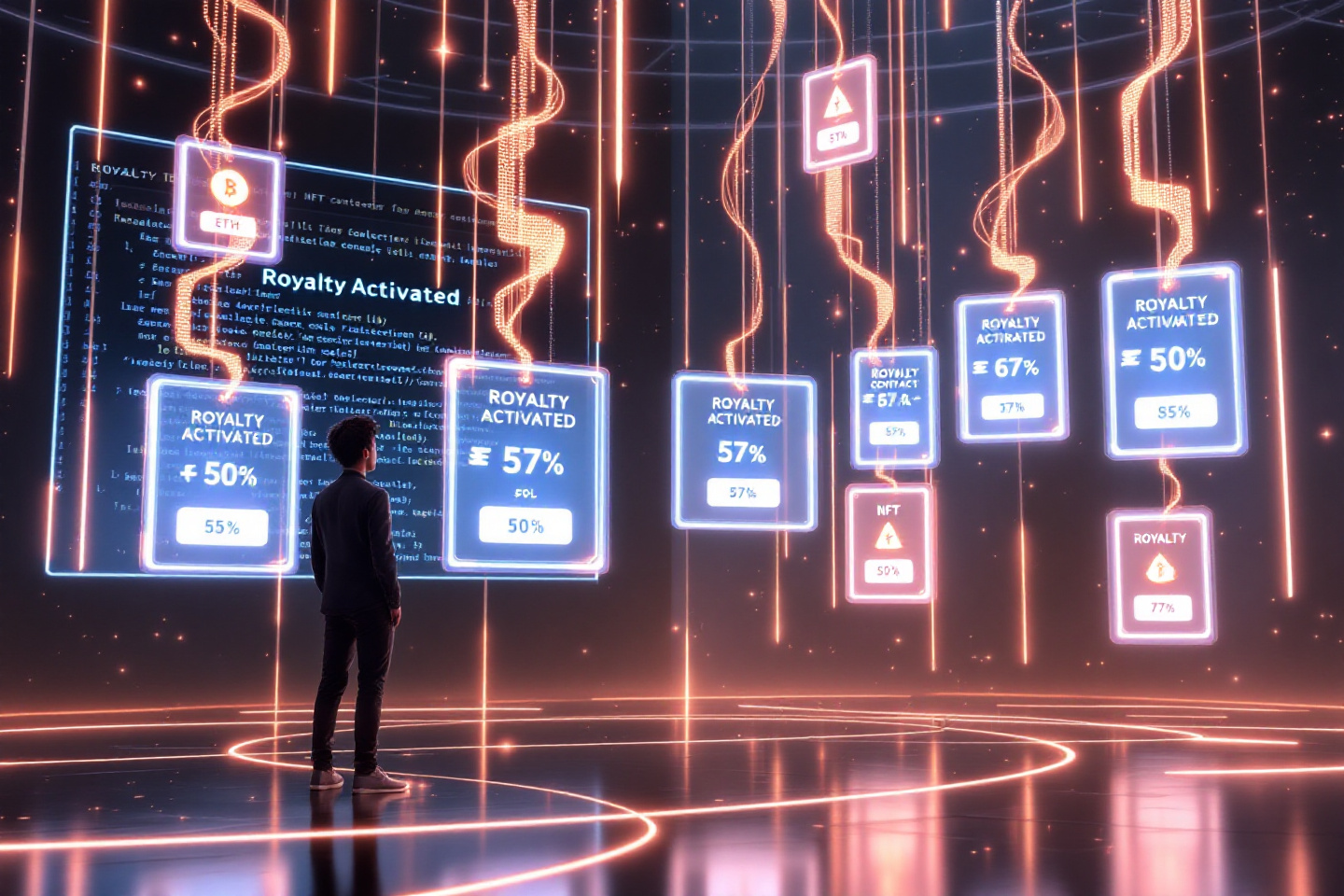 One of the most consistent ways to make long-term money with NFTs is through royalties. Once considered a bonus, royalties have now become a reliable income stream for many digital creators. Platforms such as Manifold, Zora, and Rarible support automated royalty payments, even when the NFT is resold on secondary markets.
What are NFT royalties?
Royalties in NFTs are fixed percentages that the original creator earns each time the NFT is resold. These earnings usually range between 2 percent and 10 percent and are embedded into the smart contract when the NFT is minted. Once set, they trigger automatically every time the NFT changes hands, making it a form of passive income.
For example, if you mint an NFT and sell it for 0.1 ETH, and later that same NFT is resold for 1 ETH, a 5 percent royalty means you would receive 0.05 ETH from that resale — without needing to lift a finger.
Platforms that support royalties
Here are three leading platforms that help creators earn through resale royalties.
-
Manifold. Manifold allows artists to deploy their own smart contracts with full control over royalty settings. It also collaborates with other major marketplaces to improve cross-platform royalty enforcement.
-
Zora. Zora lets creators mint NFTs with built-in royalties and gives them the freedom to set their own terms. It’s known for being user-friendly and focused on creator ownership.
-
Rarible. Rarible provides flexible royalty settings during the minting process. Once the NFT is live, it ensures that the creator receives their share each time the asset is resold on the platform.
Tips to maximize royalty income
-
Use the right platform. Choose platforms that not only support royalty settings but also make sure those royalties are honored when NFTs are resold on other marketplaces.
-
Set fair royalty percentages. A royalty that’s too high may discourage buyers. Something between 5 and 7%is often seen as a good balance between steady income and market appeal.
-
Build community. NFTs with strong communities tend to have better resale activity. The more your work is discussed and shared, the more likely it is to be traded.
-
Create value. Offering collectors extra benefits — such as unlockable content, future airdrops, or utility in games or communities — can lead to higher resale activity and more royalties.
NFT royalties allow creators to benefit from their work even after the first sale. If the collection becomes popular over time, those small percentages can add up to significant income — month after month, sale after sale.
Explore NFT gaming and Metaverse income streams
Want to know how to make money with NFTs beyond flipping and selling? NFT gaming and the metaverse offer growing income paths. You don’t need to be a developer or hardcore gamer.
You just need to understand how digital assets move in these ecosystems. Games now use NFTs to represent everything — skins, weapons, land, and even guild membership. These assets can be traded, staked, or rented.
Popular games include:
-
Parallel. Card-based strategy game with high-value NFT cards
-
Shrapnel. A first-person shooter with tokenized gear and land
-
My Pet Hooligan. A social open-world metaverse with avatars and income quests
Common mistakes to avoid when trying to make money off NFTs
Many people jump into NFTs expecting fast gains. But if you want to learn how to make money off NFTs, you need to avoid beginner traps. These missteps still cause losses — even for experienced flippers.
-
Buying on FOMO alone. Jumping into hyped projects without research leads to fast losses. Always check the team, utility, and wallet activity before minting.
-
Ignoring utility. NFTs with no real use won’t hold value. Focus on assets that offer access, rewards, or long-term benefits.
-
Skipping royalties or smart contracts. Minting without setting smart royalties kills future income. Use platforms like Manifold or Zora to lock in passive earnings.
-
Not tracking trends or tools. Most flippers still miss key mints because they don’t track data. Use tools like Nansen, Blur, or Mintify to spot early moves.
-
Ignoring trends and tools. Most flippers still miss key mints because they don’t track data. Use tools like Nansen, Blur, or Mintify to spot early moves.
-
Weak wallet security. NFT scams are still active. Use burner wallets for minting and never click random links during hype drops.
Understanding the legal and tax implications of NFTs
Navigating the legal and tax landscape of Non-Fungible Tokens (NFTs) is crucial for creators and investors alike. Understanding these aspects can help you make informed decisions and avoid potential pitfalls.
Legal considerations
Before minting an NFT, ensure you have the rights to the underlying content. Minting without proper authorization can lead to legal disputes over copyright infringement. Again, the classification of NFTs under securities law remains complex. The U.S. Securities and Exchange Commission (SEC) has scrutinized certain NFT projects, assessing whether they qualify as investment contracts. Creators should evaluate if their NFTs might be considered securities to comply with federal laws.
NFT platforms may be subject to AML and KYC regulations to prevent illicit activities. Compliance with these requirements is essential to avoid legal repercussions.
Tax implications
The Internal Revenue Service (IRS) considers NFT transactions as taxable events. Selling an NFT can result in capital gains tax, while receiving an NFT as a gift or reward may be treated as ordinary income. Starting in 2025, NFT platforms are required to report transactions to the IRS. Earnings over $600 from NFT sales in a single year will trigger the issuance of Form 1099, detailing proceeds and sent to both the seller and the IRS.
The IRS may classify certain NFTs as collectibles, subjecting them to a higher capital gains tax rate of 28%. This classification depends on the nature of the NFT and its underlying asset.
Best practices
-
Seek legal counsel. Consult with legal professionals experienced in digital assets to navigate the evolving regulatory environment.
-
Maintain detailed records. Keep comprehensive records of all NFT transactions, including dates, values, and involved parties, to ensure accurate tax reporting.
-
Stay informed. Regularly update yourself on changes in laws and regulations related to NFTs to remain compliant and make informed decisions.
Expert opinion: How to know the right NFTs to mint
If you’re exploring NFTs in 2025, according to financial expert Andrey Mastykin, it’s crucial to look beyond the surface when deciding which NFTs to mint. Instead of following the crowd, focus on projects that offer real utility or solve specific problems.
For example, NFTs that grant access to exclusive communities, provide voting rights in decentralized organizations, or have real-world applications are more likely to hold long-term value. This approach ensures that your investment isn’t just based on hype but on tangible benefits that the NFT provides.
Another key strategy is to assess the team’s transparency and engagement. A dedicated and communicative team often indicates a project’s potential success. Look for teams that regularly update their community, share development progress, and are open about their roadmap. Engage with their social channels to gauge the community’s health and the team’s responsiveness. This due diligence can help you avoid projects that lack substance and increase your chances of minting NFTs with genuine potential.
Conclusion
NFTs have come a long way from being seen as just overpriced JPEGs. Today, they’re functional, income-generating tools — used by creators, collectors, and traders to build real digital wealth. If you’re looking to get involved, your success won’t come from following hype but from understanding how these assets actually work and where they’re heading.
Whether it’s earning from royalties, identifying undervalued assets to flip, or tapping into gaming and metaverse opportunities, the winning formula isn’t complicated — it’s consistency, strategy, and timing. The NFT space is still young. The edge belongs to those who stay curious, experiment wisely, and build with purpose. If you’re ready to do that, you’re already ahead of most.
FAQs
How do I know if an NFT project is worth minting before launch?
Look for transparent teams with a clear roadmap and engaged communities. Red flags include anonymous developers, vague promises, or inflated follower counts without actual interaction. Also, check wallet activity — if early buyers are known flippers or collectors, that’s often a good sign.
Can NFTs be used for recurring income outside of royalties?
Yes. Some NFTs act as access passes to revenue-sharing programs, staking pools, or allow you to lease digital land and assets in metaverse environments. These models let you earn without selling the NFT itself.
Are NFTs subject to capital gains taxes when resold?
Yes. In most countries, profits from NFT resales are taxed like any other investment. Keep detailed records of your purchase and sale prices, and be aware of tax laws specific to digital assets in your region.
What’s the risk of buying NFTs during a bear market?
In a slow market, demand for NFTs may drop, making them harder to resell. But prices can also be more favorable. If you focus on utility-driven or undervalued projects, you may position yourself for strong returns when the market rebounds.

