 Follow Us on Google News


 Follow Us on Google Discover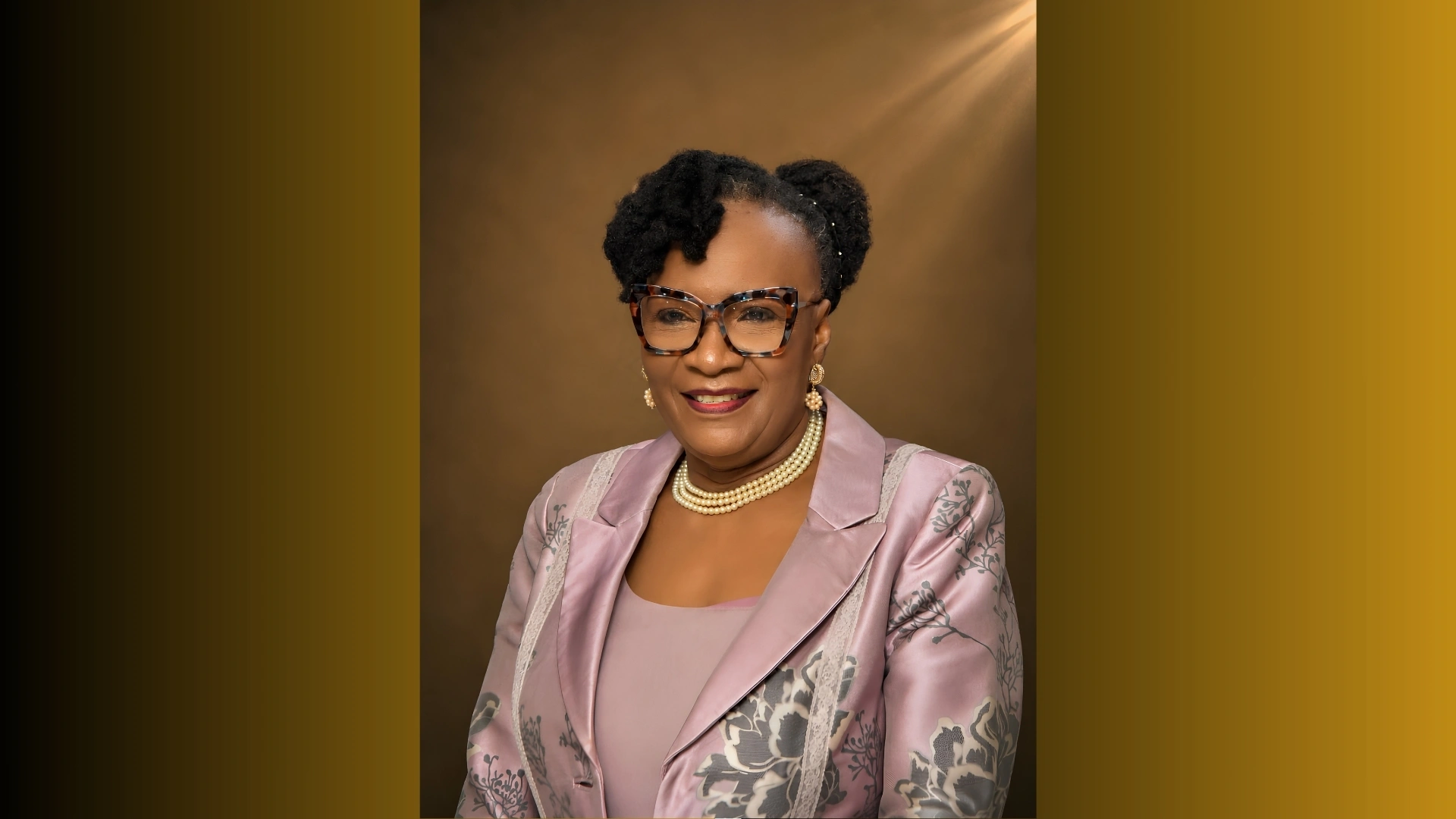
Right from recorded history, the pivotal roles played by women in nation building cannot be overemphasized, as the issue of gender balance and need to give women equal opportunities continuously gather momentum in modern society. However, some progress has been achieved but more is needed. In recognition of this feat, The Guardian’s “100 Inspiring and Award-Winning Amazons in Nigeria” showcases groundbreaking and inspirational women across varied sectors who are catalysing the national growth and development. Lady Otunba (Mrs.) Adebola Osibogun stands among them. She is a defining force, as well as, distinguished financial services professional with over four decades of experience spanning commercial banking, real estate financing, trusteeship, and corporate governance.
She was the 18th President and Chairman of the Governing Council of the Chartered Institute of Bankers of Nigeria (CIBN), served on the board of many other companies, and is currently the chairman of the board of directors at Imowo Microfinance Bank. A bank that is being engineered by seasoned, experienced and competent bankers, and thus, committed to empowering its customers through responsible solutions, innovation and leadership.
Otunba (Mrs.) Osibogun is a Fellow of the Chartered Institute of Bankers of Nigeria, the Chartered Institute of Taxation of Nigeria, the Nigerian Institute of Management (Chartered), among others. She has attended executive programmes at INSEAD, Kellogg School of Management, London Business School, Euromoney Learning, and Lagos Business School, and has published widely on mortgage institutions, financial literacy, and housing finance.
Her contributions have been recognised with numerous honours, including the Legendary Award of the CIBN.
Beyond her professional life, she is deeply committed to philanthropy, having endowed the Otunba ‘Debola Osibogun Essay Competition for tertiary students, awarded scholarships to underprivileged students, reconstructed the Vicarage at St. Paul’s Anglican Church, Irewon, and funded the construction of the David Olatunde Agbeja Moot Court at the University of Ilesha. She serves as President of the Consumer Awareness and Financial Enlightenment Initiative (CAFEi), a non-profit dedicated to financial education and consumer protection.
In this interview, she speaks on her educational background, career milestones and other sundry issues.

Educational background and experience in the industry
My educational journey began at Queen’s School, Ibadan, where I completed both O’Level and Higher School Certificate programmes. I then proceeded to the University of Ibadan, where I earned a Bachelor of Education degree in Education & Economics, followed by a Master of Science degree in Banking and Finance from the same institution, which I hold with enormous pride and deep affection.
I was appointed an ambassador of the University at its 75th anniversary celebration. In terms of industry experience, I have spent over four decades in financial services, covering the full spectrum of commercial banking, mortgage banking, microfinance banking, and trusteeship. I rose to become General Manager at Cooperative Bank Plc, then Managing Director of COOP Savings & Loans Limited (now Cooperative Mortgage Bank, lbadan) and ultimately MD/CEO of Skye Trustees Limited (now STL Trustees), from which I retired in 2009.
I have served on the boards of major institutions, including FBN Mortgages Ltd and FBN Holdings Plc, and I currently serve on the boards of Odu’a Investment Company Ltd, Imperial Homes Mortgage Bank, and Imowo Microfinance Bank. I continue to remain actively engaged in corporate governance today.
Career journey
My career began in earnest in the banking sector, when women in top leadership roles were exceedingly rare. From my early years, I was clear about the values I wanted to bring to the profession – integrity, rigour, and genuine service to people. I worked hard, took on increasingly complex responsibilities, and eventually rose to executive leadership positions across mortgage banking, commercial banking, and trust services.
One of my proudest moments was serving as Managing Director of COOP Savings & Loans (now Cooperative Mortgage Bank) and later Skye Trustees Limited (now STL Trustees), where I led institutions through periods of significant transformation. Alongside my executive career, I pursued leadership within professional associations. Between 2001 and 2005, I had the honour of becoming the first woman elected National President of the Mortgage Banking Association of Nigeria. A decade later, in 2014, I was elected the 18th President and Chairman of the Governing Council of the Chartered Institute of Bankers of Nigeria. I was also appointed by the former President of the Federal Republic of Nigeria, Chief Olusegun Obasanjo, GCFR, to serve on two Presidential Committees: the Presidential Committee on Urban Development and Housing, and the Presidential Committee on Mortgage Financing.
Retirement from active banking in 2009 did not mean withdrawal from service. I have continued to contribute through board roles and non-executive directorships. I reinforced this commitment by setting up my NGO, Consumer Awareness and Financial Enlightenment Initiative (CAFEi). Currently, I serve as Chairman at Imowo Microfinance Bank. Every chapter of this journey has reinforced my belief that a career built on purpose is its own reward.
About Imowo Microfinance Bank – its vision and mission
Imowo Microfinance Bank has a proud history stretching back to 1993, when it was incorporated as Imowo Community Bank Limited. It received its CBN microfinance banking licence in 2006 and has since grown into a well-regarded community financial institution with over 21,000 customers, serving the people of Ijebu-Ode and its environs. Our Vision is to be a leading innovative service provider delivering seamless financial solutions. Our Mission is to consistently offer well-designed products backed with efficient service delivery to our customers through multiple channels, using a well-equipped and highly motivated workforce to give value to our stakeholders.
Underpinning everything we do are our core values, captured in the acronym IMOWO — Integrity, Mutual Respect, Openness, Welcoming, and Outstanding Services. These are not merely words on a wall; they govern how we engage with customers, colleagues, and community we serve.
How the bank achieves delivering seamless services to customers
Seamless service begins with culture, and the tone is set from the top. At Imowo MFB, we have been deliberate about embedding customer-centricity into everything we do. From our onboarding processes to our loan disbursement timelines and our approach to resolving complaints. Our vision itself speaks to seamless financial solutions, so this is not accidental; it is intentional.
We have also invested in the right people and in building systems and policies that promote consistency and accountability. We operate a computerised platform, offer instant ATM card issuance, and provide mobile banking services so that customers can access their funds around the clock. Our compliance and risk management frameworks are not merely regulatory obligations – they are tools for building trust. When a customer knows that their funds are safe, their data is protected, and their institution will treat them with dignity and transparency, that confidence translates directly into a more positive banking experience.
Insight on gender equality in Nigeria’s financial space
The conversation around gender equality in Nigeria’s financial sector has come a long way but we must be honest that much ground remains to be covered. When I became the first female President of the Mortgage Banking Association of Nigeria in 2001, and later the President of the Chartered Institute of Bankers of Nigeria in 2014, these were celebrated milestones. And they were. But we should equally ask ourselves: why did it take so long?
The financial sector has some of the most talented women in Nigeria. The challenge is not one of capability; it is systemic. Boardrooms, C-suites, and leadership pipelines still reflect deeply entrenched biases. Deliberate interventions are necessary: mentorship, sponsorship, enabling policies on parental leave and flexible working hours, and conscious leadership development for women at mid-career level.
I am encouraged by the growing number of women in senior banking roles today. But we need not just representation, we need presence. Women must have a seat at the table where decisions are made, not merely where they are ratified.
Projections for Imowo MFB’s growth in 10 years’ time
In ten years’ time, I see the bank as significantly larger, more technologically enabled, and even more impactful institution – still rooted in the communities we serve, but with a broader reach and deeper footprint.
Our near-term priority is strengthening our core banking infrastructure and compliance systems, which will underpin sustainable growth. Over the medium to long term, I expect the Bank to deepen its product range, expanding agricultural financing, women-focused lending, and digital payment services. Most importantly, I project that, the bank will be recognised not just for its financial performance, but for the measurable difference it has made in the lives of thousands of households and ultimately, it is the most meaningful measure of our success.
Ways forward for women’s advancement in Nigeria
The path forward for women in Nigeria requires a multi-layered approach. First, we must address education by ensuring that girls at every level of the society have access to quality learning and are encouraged to aspire to leadership without apology. Second, we must challenge cultural and workplace norms that continue to limit women’s professional progression.
Organizations must create environments where women are assessed on merit and given equal opportunities to rise.
Third, women themselves must be intentional about investing in one another. Mentorship and sponsorship are powerful tools, yet not enough women in positions of influence actively pull others up. I have made this a personal commitment throughout my career, and I would encourage every woman in leadership to do the same.
Finally, policy must play its role. Government, regulators, and the private sector must operationalize their gender commitments through board composition targets, procurement policies, and development finance mandates. Words on paper must translate into outcomes in practice.
Relaxation Activities
I am fortunate to have a range of interests that keep me grounded and energized outside of professional responsibilities. I enjoy reading – particularly on finance, leadership, and governance. I am passionate about golf and polo, both of which I have enjoyed for many years.
I also enjoy basketball, which I played for the old Western State team and later served as Captain of the University of Ibadan basketball team throughout my university days. I also derive great pleasure from meeting people from all walks of life.
At the end of the day, my greatest joy is my family – my husband, Sir Otunba (Giwa) ’Deji Osibogun, our children, and our grandchildren, whom I fondly call my “grand-delights.” Time spent with them is the most restorative thing in the world.

