 Follow Us on Google News
 Follow Us on Google Discover
A pitch deck with mismatched fonts. A logo pulled together in a rush. A landing page that looks temporary even when the business is not.
This is the “branding gap” that quietly kills momentum before a startup ever gets its real shot. And for too long, closing that gap meant spending money that most early-stage African founders simply did not have.
The Trust Problem No One Talks About Enough
A startup can have a great product and a smart team behind it, still it can struggle to build credibility. The reason is simple: people judge what they see first. Design elements carry more weight than words. Professional branding gives the impression of readiness. A poorly designed website can cast doubts in the minds of potential clients, even if the product is solid.
For an African startup working in a tough market or dealing with foreign investors that have not met the team members yet, this visual perception carries even more weight. There is no warm introduction to smooth it over. The brand has to do the talking first.
The founders who understand this earliest tend to move faster and close deals more easily, not because they have more money but because they stopped treating branding as something to sort out later.
Zawa AI: Breaking the Cost Barrier in Branding
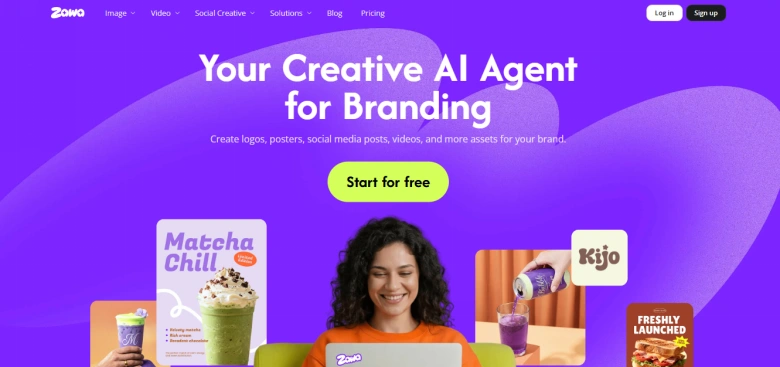
For most of the last two decades, professional branding was genuinely out of reach for bootstrapped founders. Design agencies charged rates built for corporate clients. Freelancers were inconsistent in quality and speed. Free tools produced results that looked free.
The shift happened gradually and then all at once. AI-powered design tools arrived at the price point that made professional-level branding accessible to anyone with laptop and an internet connection. A founder in Kampala now has access to the same generation of tools such as Zawa AI agent.
One of the platforms driving this change is Zawa AI, built specifically for brand-building. It handles logos, posters, social media posts, product photography, mockups, and video content, all from a single workspace.
The premise is straightforward: a founder describes what they need, and Zawa produces brand-ready assets that stay consistent with a stored brand kit. No design background required, no agency retainer, no waiting on a freelancer’s availability.
The most immediate impact shows up in two areas: logo creation and image quality. Both of them feed directly into how credible a brand feels to an outside eye.
Zawa AI Logo Maker
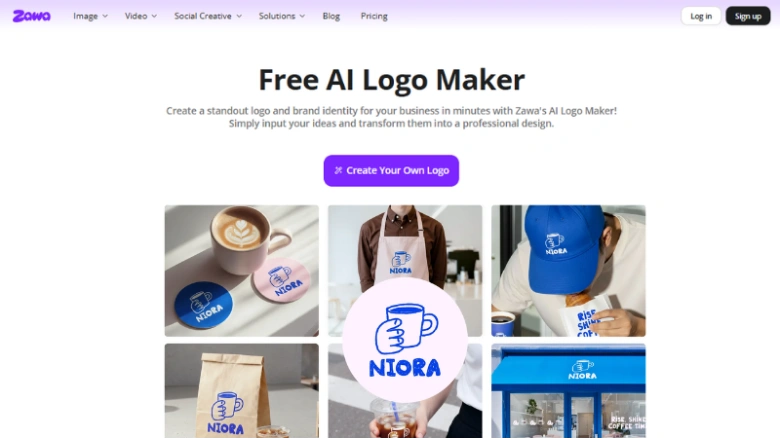
Using Zawa ai logo maker, a startup founder can move from the rough concept to professionally composed, scalable logo in fraction of the time it used to take. Color combinations, typography, icon styles — all adjustable without needing design training or the back-and-forth with contractors.
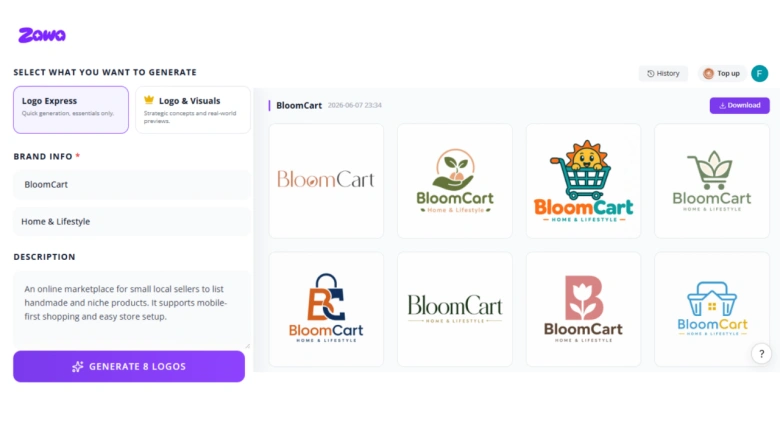
The result may not be perfect. But it can be consistent. A logo can maintain the same look and feel across a website header, a funding presentation, printed materials, and mobile devices. That consistency helps a young company appear more established from the start.
Zawa HD Photo Converter
Africa is a mobile-first continent, and that fact reshapes what good branding actually requires. Most potential customers, partners, and investors will encounter a brand for the first time through a phone screen. On those small, high-resolution displays, image quality is unforgiving.
A compressed photo. A logo that pixelates at small sizes. A product image that looks muddy. These details register immediately, even when the viewer cannot name exactly what feels off. The emotional response is the same either way: something about this does not feel ready.
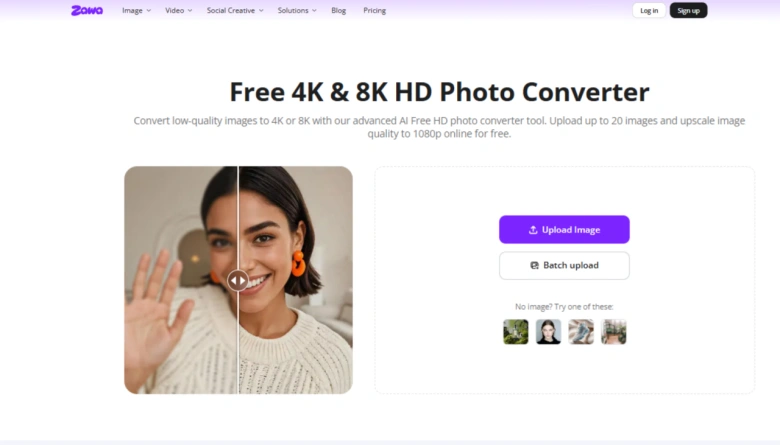
This is precisely where Zawa HD Photo Converter earns its place in a founder’s toolkit. With it, product photos taken on a phone, team headshots, event images, and marketing visuals can be enhanced to a much higher quality standard without requiring professional photography equipment.
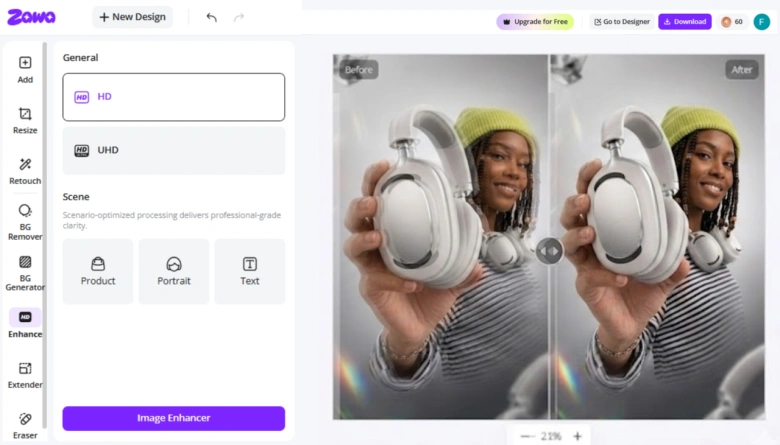
Cleaner, sharper images help a young company present itself with greater confidence, which matters when potential customers, partners, or investors are deciding if a brand feels trustworthy.
Advantages of AI Branding Tools for African Startups
Every startup experiences these tools differently, yet certain benefits tend to appear at every stage of growth.
● Founders who are pre-revenue or bootstrapped can build brand assets that look investor-ready without spending on a design agency
● Teams that operate across multiple countries can maintain visual consistency without managing a complex network of freelancers in each market
● Businesses that sell to international buyers or partners can present themselves at a quality level that removes the “developing market discount” from first impressions
● Solo founders can handle their own branding without needing to be designers, freeing up time for the actual business
Building a Brand That Holds Up Over Time
There is a version of this conversation that treats AI branding tools as the shortcut, something to slap together quickly before moving on. That framing misses the point.
The founders who get most out of these tools are the ones who treat them as the “foundation” of a deliberate brand strategy. They use them to establish a consistent visual language early. Then apply that language across every customer touchpoint from the website to the packaging and to the social media profiles.
The main difference between a brand and a logo is consistency. This is precisely what is difficult to achieve when design is costly or time-consuming or relies on a designer who becomes unavailable for several weeks.
Key elements of a consistent brand foundation include:
● A clear logo that works in multiple formats, including dark and light backgrounds
● A defined color palette used across all materials
● High-quality imagery that reflects the product and customer accurately
● Typography that matches the tone of the business, whether that is formal, approachable, or bold
Getting these right early costs almost nothing with current tools. Getting them wrong costs the credibility that takes years to rebuild.
The Bigger Shift Happening Right Now

The conversation about African startups and global competitiveness has long focused on what founders lack. Poor infrastructure, lack of investment capital, difficulty accessing networks, etc. These are real issues and certainly need to be addressed.
But there is another story running in parallel, and it is about access gained rather than access denied. Design tools that were once priced for agency clients in London or New York are now priced for individual founders in Accra and Dar es Salaam. The quality ceiling has risen dramatically for anyone willing to use these tools with intention.
A startup that launches today with the coherent visual identity is not pretending to be bigger than it is. It is presenting itself at level it deserves. That distinction matters because credibility, once established visually, compounds. It makes the next conversation easier. It makes the next pitch land better. It makes customers more likely to trust a brand they are encountering for the first time.
The tools exist. The playing field is more level than it has ever been. The African startups that close the branding gap early are ones building the kind of trust that survives a bad quarter, outlasts a competitor’s launch, and earns the loyalty that actually sustains a business long-term.

