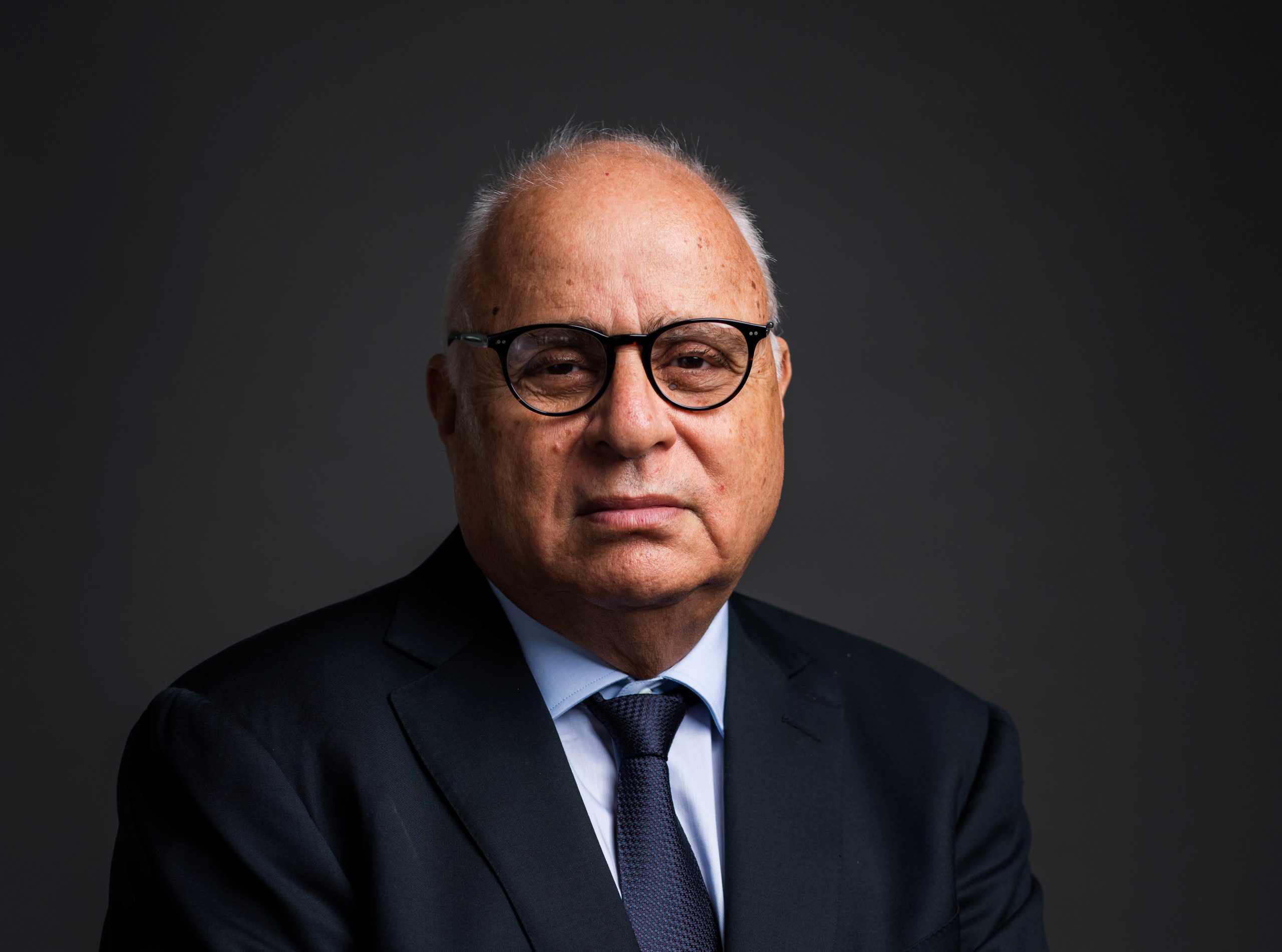
Nigeria has a young and ambitious population, and the demand for secure housing and smart investment options keeps growing. The biggest opportunity lies in meeting that demand with transparency, innovation, ease, and projects people can trust, all listed on one platform, with adequate data required to make purchasing decisions, all in one place. We also saw the need for the removal of cumbersome fees such as inspection and agency fees.
What inspired you to start your business in Nigeria, and what do you think is the biggest opportunity for growth in the country?
WE started Thinkmint Nigeria because I saw how many people wanted to invest in real estate but struggled with unclear processes and inconsistent service. Nigeria has a young and ambitious population, and the demand for secure housing and smart investment options keeps growing. The biggest opportunity lies in meeting that demand with transparency, innovation, ease and projects people can trust all listed on one platform with adequate data required to make purchasing decisions all in one place. We also saw the need for the removal of cumbersome fees such as inspection and agency fees.
How do you navigate the challenges of doing business in Nigeria, such as infrastructure issues and regulatory complexities?
We handle challenges by planning ahead, building strong relationships and keeping our processes tight. Infrastructure gaps and regulatory hurdles are real, but they become manageable with proactive engagement and consistent follow up.
We rely on clear documentation, reliable systems and steady communication with partners, regulators and clients.
What strategies have you implemented to attract and retain top talent in your organization, given the competitive job market in Nigeria?
We invest in people. Training, mentorship and opportunities for growth help our team feel confident and capable. We focus on building a culture that rewards initiative and supports honest communication. We also recruit for both skill and character, because people who believe in the work tend to stay and grow with the company.
How do you stay ahead of the competition in your industry, and what innovations are you currently exploring or implementing?
We pay close attention to clients and industry trends. Real estate is changing fast, so we stay curious and keep refining our methods. We are working on digital tools that make investment easier to understand, and we are developing community-focused projects that offer meaningful long term value. Our expansion into Europe, through our Estonia branch, also helps us learn from international markets and adopt global best practices.
What role do you think the Nigerian government can play in supporting the growth of businesses like yours, and are there any specific policies or initiatives that you would like to see implemented?
Government support is important. Faster and clearer approval processes, stronger infrastructure and stable policies will help the real estate sector grow. I would like to see more collaboration between the private sector and government agencies. It is noteworthy to know that government agencies are integrating digitalisation in land administration and technical approvals. When the processis predictable, confidence rises across the board.
What advice would you give to young entrepreneurs looking to start a business in Nigeria, and what are some of the key lessons you have learned along the way?
Start with a real problem you want to solve and be ready to stay consistent even when things get tough. One of the lessons is that integrity pays off. Clients remember how you treat them. I’ve also learned that you can’t grow without learning. The environment changes quickly, and you have to be flexible enough to adjust.
What metrics or key performance indicators do you use to measure the success of your company, and how do you track progress towards your goals?
We measure success through client satisfaction, timely project delivery, sales performance and the long term value our projects create. Regular performance reviews and open communication across our teams help us stay aligned. This structure keeps us focused on both short term execution and long term strategy.
How do you prioritize sustainability and social responsibility in your business operations, and what initiatives has your company undertaken in this regard?
We approach sustainability with a focus on long term impact, both for our communities and the people who interact with our projects. Beyond responsible real estate transactions practices and transparent engagement with our subscribers and partners, we also carry out direct community support. A recent example is our House Mattaz play; a mix of quarterly episodes interactive plays shown on stage and streamed on YouTube, positioned to educate people on Housing policies, patterns and the real estate market in general while entertaining them. We also recently carried out a market storm in Onigbongbo LCDA, where we spent time with market women, provided assistance and helped them boost their daily income. It was a simple way to give back and stay connected to the people who make up the heart of the community. We also promote local hiring on our sites and maintain strong ethical standards across all our operations, including our branch in
Estonia.
Looking ahead to the next five to ten years, what are your plans for expansion and growth, and are there any new markets or industries you are considering entering?
We plan to deepen our presence in Nigeria while strengthening our operations in Africa and Europe through our Estonia branch. We are exploring more opportunities in advancing our current digital property solutions, mixed use developments and global investment partnerships. Over the next few years, our focus is to expand into new markets, introduce more accessible investment options and establish Thinkmint Nigeria as a trusted international brand.