 Follow Us on Google News


 Follow Us on Google Discover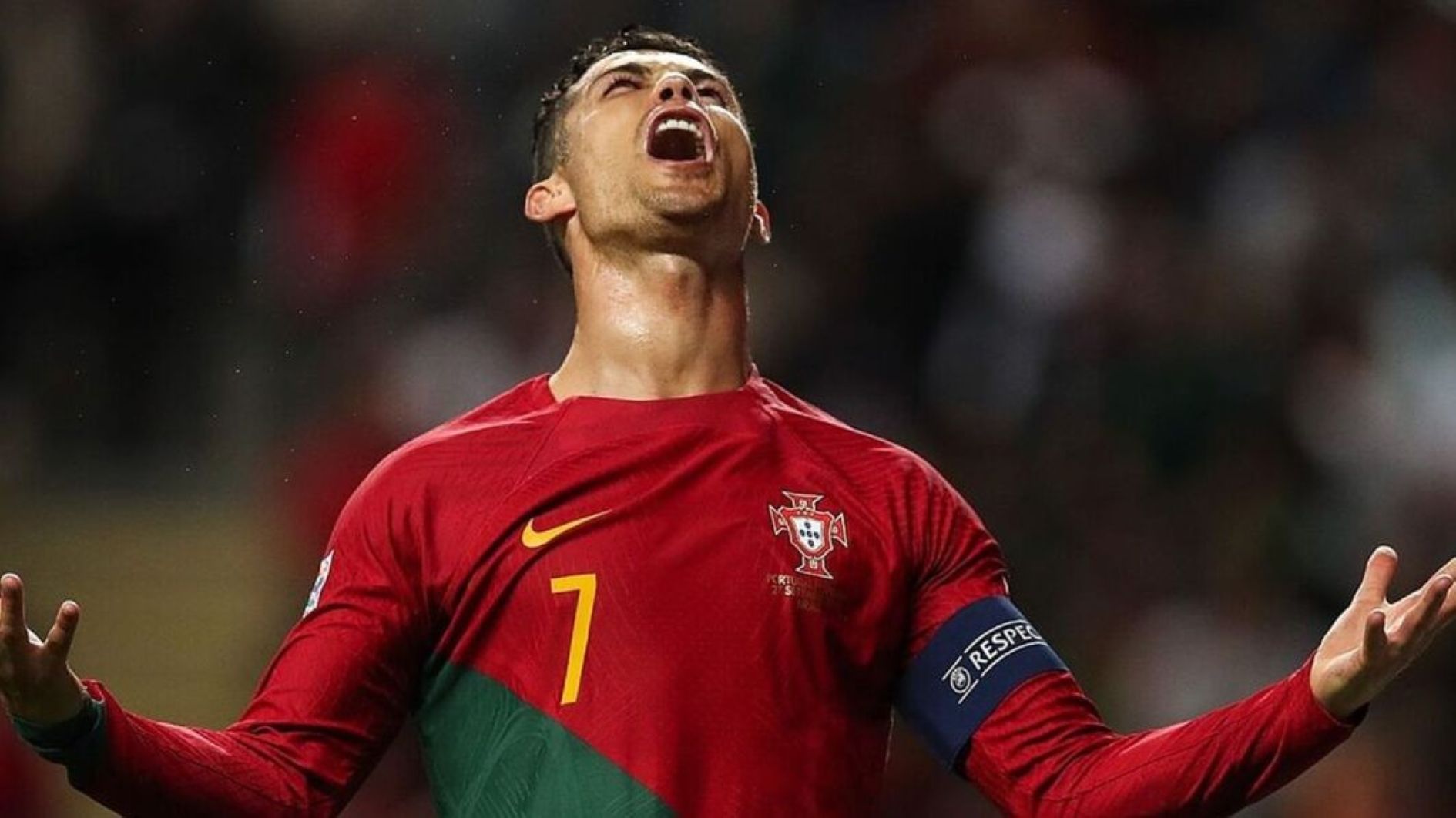
It has been dubbed the “World Cup of Chaos” for its ongoing logistical, political, and competitive anomalies. Despite the chaos, fans have been treated to the best of the game on and off the field, CHRISTIAN OKPARA writes.
For the first time in FIFA World Cup history, the 2026 edition is being held in three separate countries, the US, Canada, and Mexico, with 48 teams in attendance. It has been defined by historic heatwaves, dramatic upsets, and an unprecedented expansion that has seen some of the highly rated teams stumble against opposition from those regarded as minnows.
The game in North America has also thrown up several interesting talking points, hence a look at some events that have been dominating the headlines.
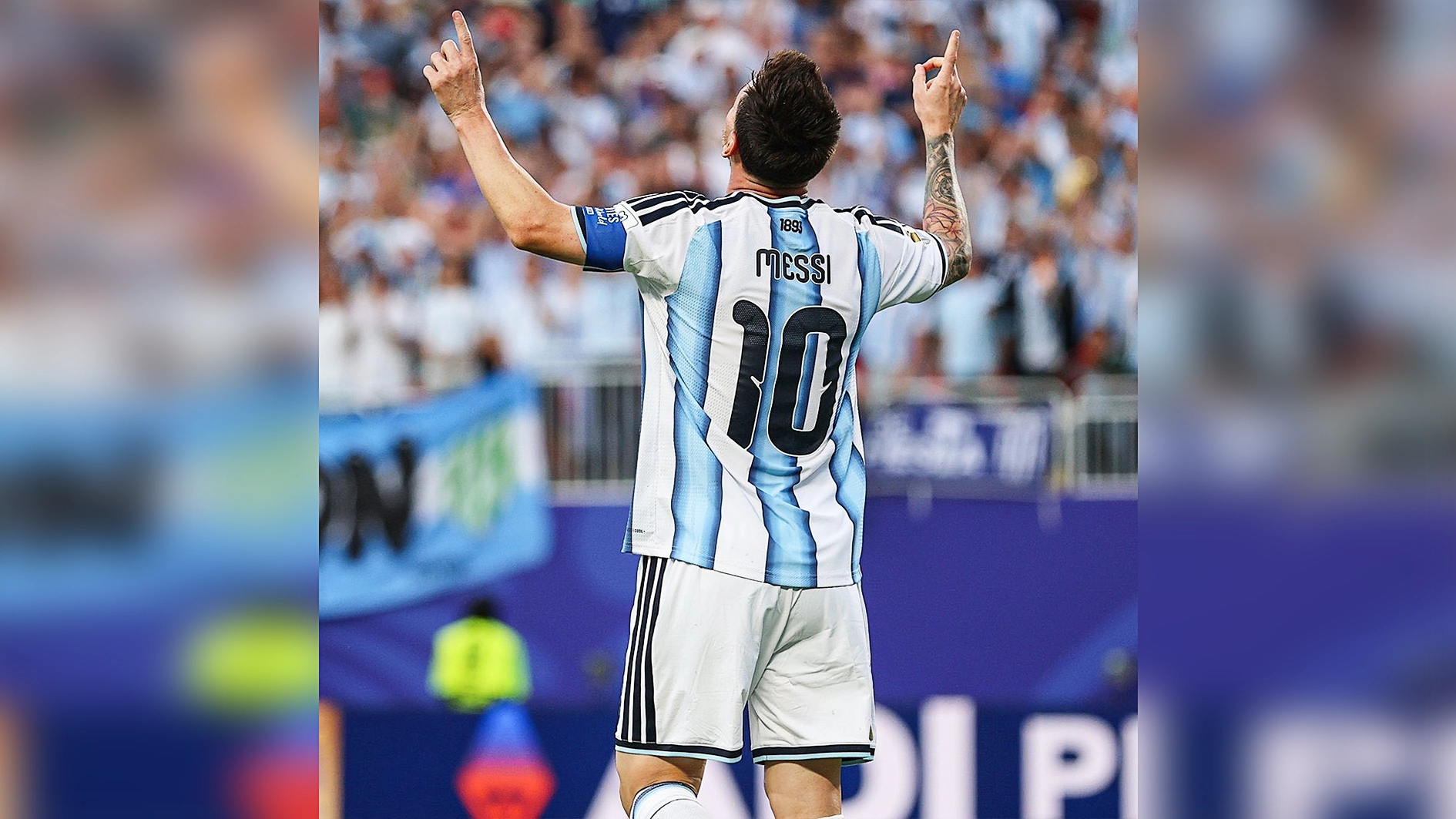
The mercurial Lionel Messi hit the championship on the front foot, scoring a brilliant hat-trick in Argentina’s opening game against Algeria.
The former Barcelona captain’s performance immediately shifted attention to his long-standing rival, Cristiano Ronaldo, with many expecting the Al-Nassr of Saudi Arabia frontman to respond with his own magic against DR Congo. But that did not happen initially as Ronaldo put up such a lethargic performance that many questioned his continued presence in the Portuguese line-up.
Ronaldo, however, answered the doubters in Portugal’s second game in which he scored two goals in their 5-0 thrashing of Uzbekistan on Tuesday. Is that a sign that the battle of supremacy by the duo that dominated the Balon d’Or for over 15 years is finally on? Note that Messi followed up his three goals against Algeria with another two in the 2-0 defeat of Austria in their second game.
Messi and Ronaldo have also entered the record books as the players with the most goals, with 18 goals (still counting), and as the only people to score in six different editions of the World Cup, respectively.
Argentina’s fatherhood ban
Argentina has come up with an “ingenious” way of getting irresponsible fathers to live up to their responsibilities to their children. It is called the Fatherhood ban, which refers to an initiative by the Argentine government to provide U.S. authorities with a list of roughly 13,000 parents in arrears on child support, requesting that they be banned from attending 2026 World Cup matches.
Argentina is saying that fans who can afford international travel and World Cup tickets should be paying child support first. The policy strictly maintains that if you fail to support your children, you will be blocked from the stands until those obligations are fulfilled.
Unaffordable match tickets force Mexican fans into street celebrations
According to the Associated Press, Mexicans, who cannot afford tickets to games being played in their country, are reclaiming the event and staging their own celebrations on the streets.
In Mexico, where the average worker earns around $433 a month, and soccer is considered a sport that unites people across class, the gap between who can and cannot get into games is felt acutely.
The breast of the matter
A former Mexican mayor, who has been turning the heads of football fans, has been forced to issue a statement about the stir her boobs are causing.
A lot of people who have been in proximity to Sandra Cuevas at the 2026 World Cup revelries have been more preoccupied with her chest rather than the action on the pitch.
The 40-year-old from Mexico has now attracted attention because of the attention her assets have drawn.

What’s more important: World Cup glory or Doku’s newborn baby?
Belgium star Jeremy Doku has been lacerated by many for choosing to leave the World Cup to attend the birth of his first child. Doku made his intentions clear ahead of Belgium’s match against Iran – a clash considered extremely important for the side after they drew with Egypt in their World Cup opener. The game eventually ended in a goalless draw.
The child is expected to be born in the second week of July, which means Doku could miss out if Belgium reach the knockout stages. “It’s my first child, so I would definitely want to be there,” he said. “If you ask me what I want, my answer is that nobody wants to miss the birth of their first child.”
Galarze moves from record holder to watch ‘thief’
Paraguay footballer Matias Galarza grabbed headlines by scoring the fastest goal of the ongoing World Cup during the clash against Turkiye, on Saturday.
The midfielder needed just 65 seconds to score a brilliant long-range goal that ultimately proved to be the winner for his team. However, the footballer found himself in a bizarre controversy during the match. During the match, the on-pitch referee Ivan Barton lost one of his watches while trying to separate the players. The watch was on the pitch, and Galarza picked it up.
But instead of returning it to the referee immediately, he took it and wore it on his wrist for a few moments. While he did return it, the whole incident caused a huge social media storm, and he was heavily criticised.
Fastest World Cup to 100 goals in 68 years
The 2026 World Cup has become the fastest edition of the tournament to reach 100 goals since 1958, with the landmark reached in the 33rd game.
Liverpool forward Cody Gakpo brought up the century with the Netherlands’ fourth goal in a 5-1 win over Sweden on Saturday.
It is the first time in 68 years that it has taken 33 matches to reach triple figures.
The only faster tournament was in Switzerland in 1954, won by West Germany, when it took just 20 matches.
African teams as genuine title contenders
Will an African team ever win the World Cup as predicted by the legendary Pelé in 1989? That question seems to be what the current crop of teams at the World Cup in North America is set to answer.
Morocco got as far as the semifinals four years ago, and they are at it again this term with a terrific run after two matchdays. But they are not alone.
As proceedings continue to unfold, results show that as many as seven of the African teams at the 2026 World Cup could qualify for the second round. These are Egypt, Morocco, Cote d’Ivoire, DR Congo, Cape Verde, Ghana and Algeria.
Tunisia are out of the championship, while South Africa and Senegal have little chance of advancing to the round of 32.
The last time Africa had more than two teams in the second round was in 2014 in Brazil, when Algeria, Nigeria and Côte d’Ivoire all progressed from their groups.

