 Follow Us on Google News


 Follow Us on Google Discover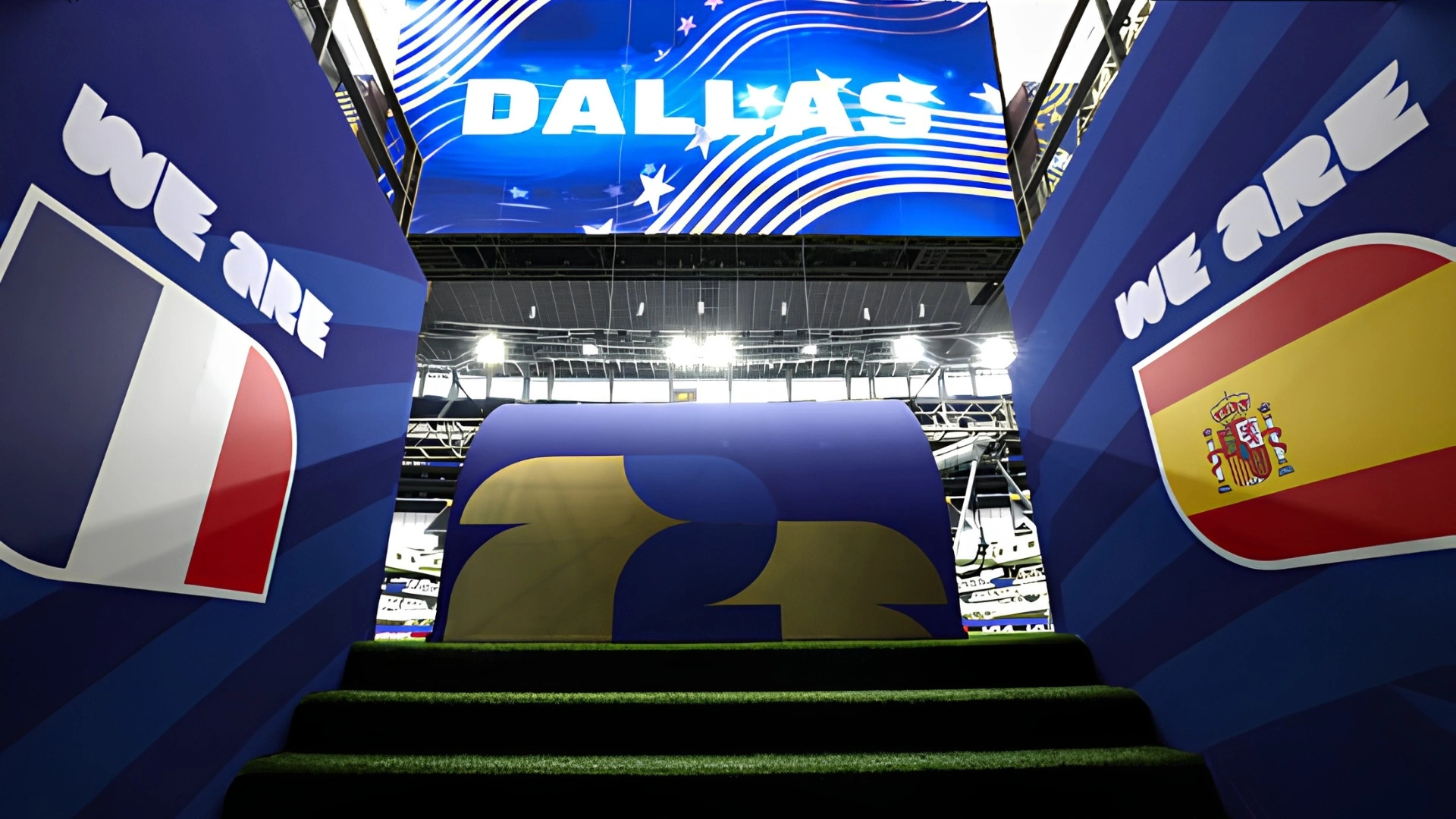
By the semi-final stage of a World Cup, odds become harder to read, not easier. The teams are stronger, the margins are thinner and the emotional cost of one mistake is heavier. Tuesday’s clash between France and Spain is a good example of why football markets should be treated as information, not instruction.
Both teams have a strong case. France carry knockout pedigree, athletic power and the ability to win matches without dominating every phase. Spain bring control, structure and the kind of midfield rhythm that can make opponents spend long periods chasing the ball. Any market around this match must account for those differences.
But odds are not predictions. They are prices shaped by probability, bookmaker margin, public sentiment, squad news and money flow. In a World Cup semi-final, all those factors become more sensitive. One injury update, one selection hint or one tactical expectation can move the market before many casual fans understand why.
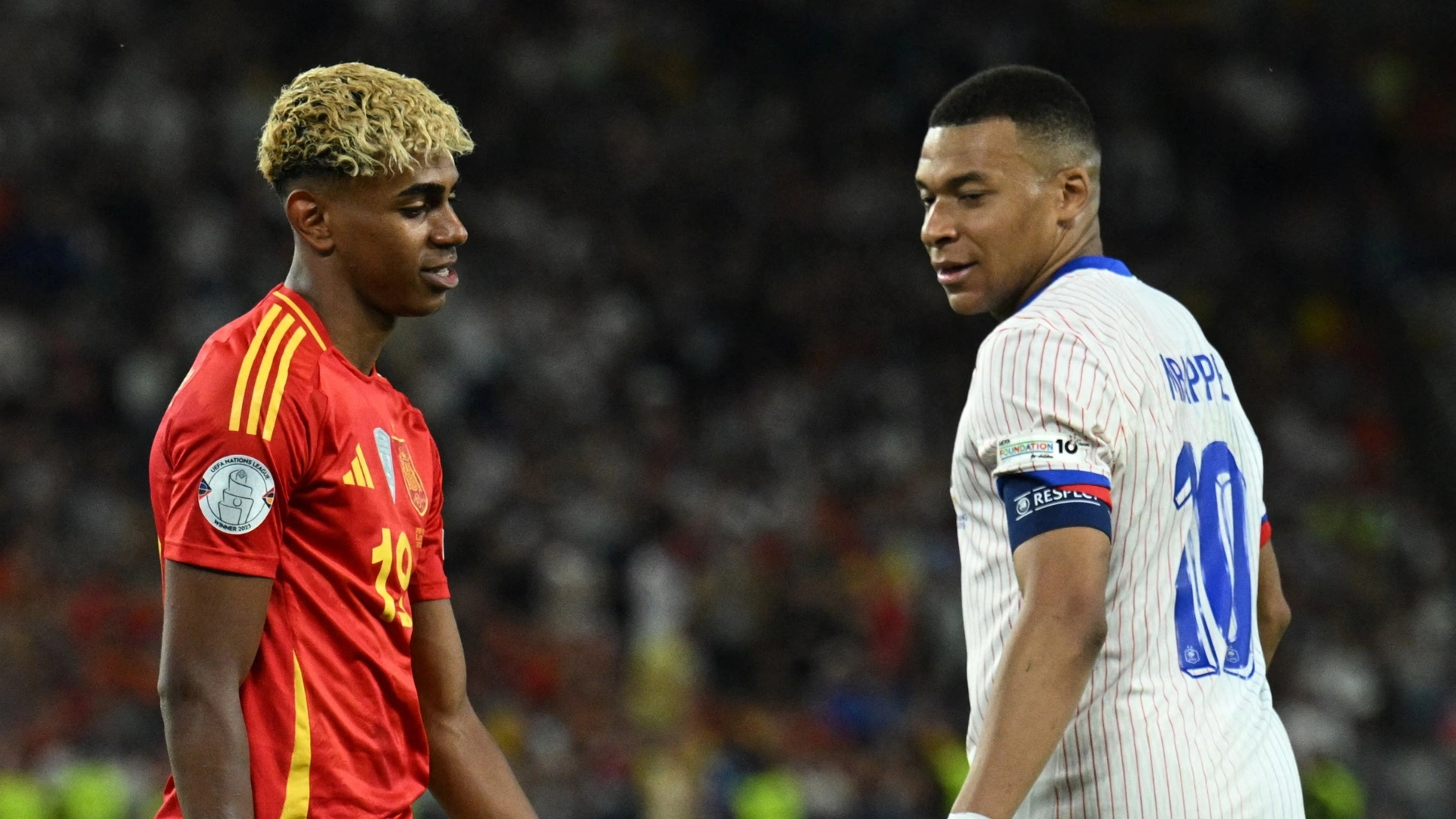
A World Cup semi-final is not a group match. There is no recovery after defeat. If you lose, you board the next flight home – or in this case, you play the undesirable third-place match. Managers know this, and their decisions reflect it. Full-backs may be more cautious. Midfielders may take fewer risks in possession. Substitutions may be delayed because extra time is a possibility. A team that normally attacks with freedom may become more conservative because the cost of exposure is too high.
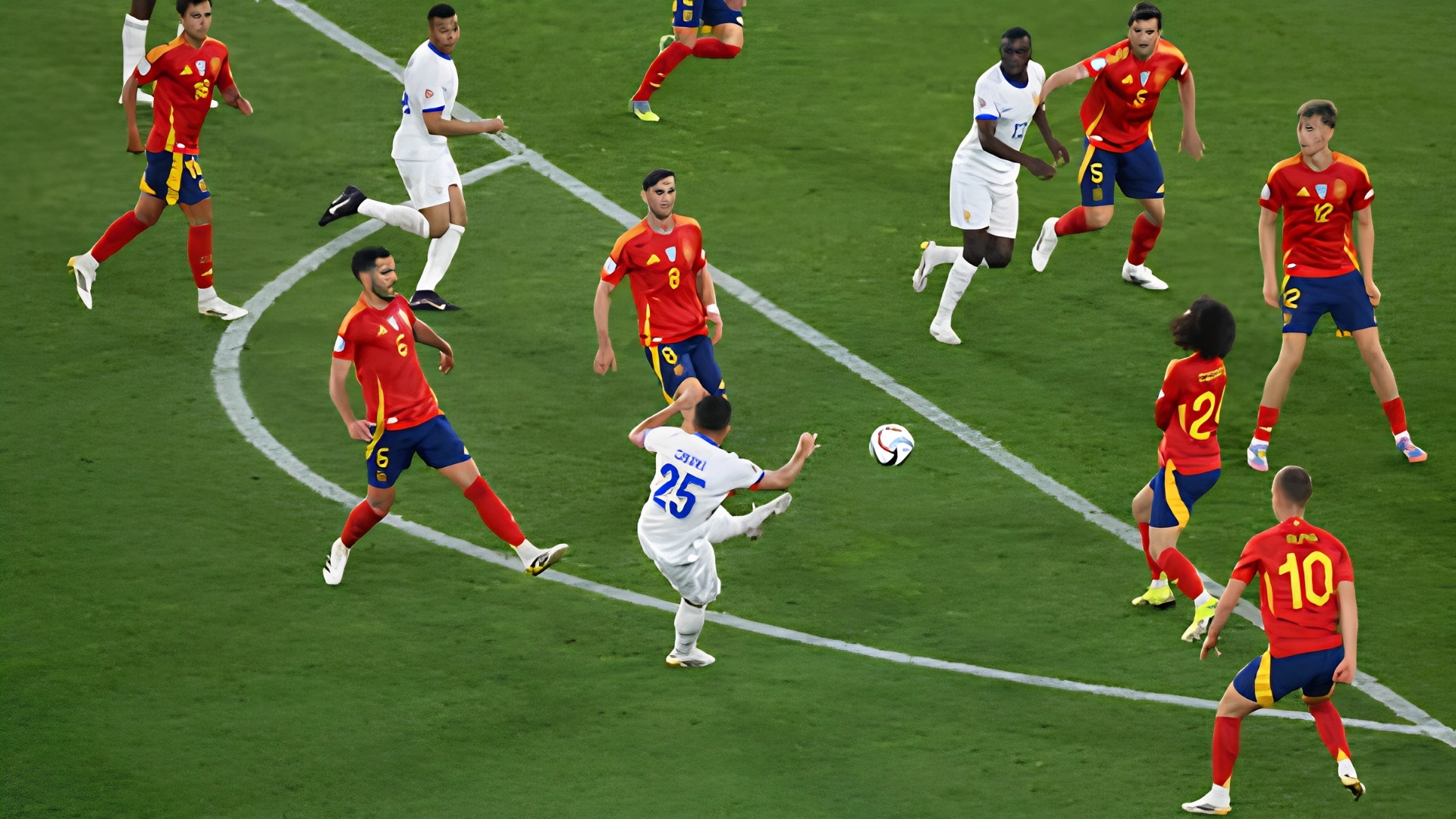
That matters when reading France versus Spain. Spain may have more possession, but possession alone does not guarantee safety. A single turnover can create the space France need. France may have more direct threat, but too much time defending can invite pressure and fatigue.
This is the kind of match where the difference between “to qualify” and “to win in 90 minutes” becomes important. A team may be considered more likely to advance, but that does not mean it will settle the tie before extra time. Casual bettors often miss that distinction, especially when following emotionally charged matches.

Responsible betting analysis should make these differences clear. It should not present one side as a safe route. There is no safe route in a World Cup semi-final.
Public sentiment can distort confidence
France and Spain both attract global football respect, but in different ways. France, twice winners of the World Cup, are associated with power, tournament experience and individual match-winners. Spain, the 2010 World champions, are associated with technical authority and control. Supporters may prefer one style and read the market through that preference.
That is where caution is needed. A fan who loves Spain’s passing may underestimate France’s transition threat. A fan who trusts France’s stars may underestimate Spain’s ability to control territory and tempo. Both readings can be incomplete.
For Nigerian and African readers, the wider lesson is useful. Odds can help explain how the market views a match, but they cannot remove uncertainty. They should prompt questions. Why has a price moved? Is it because of team news, public money, tactical match-up or reputation? Is the market reacting to evidence or emotion?
France versus Spain is a semi-final for serious reading. It offers no room for “sure” language, no matter how confident any analyst may sound. The match is too balanced, the stakes too high, and the tactical variables too many.
The best way to approach it is with restraint. Understand the probabilities. Respect the risks. Enjoy the football without turning market prices into prophecy.
In a World Cup semi-final, the odds can tell a story. They cannot tell the ending.

