 Follow Us on Google News


 Follow Us on Google Discover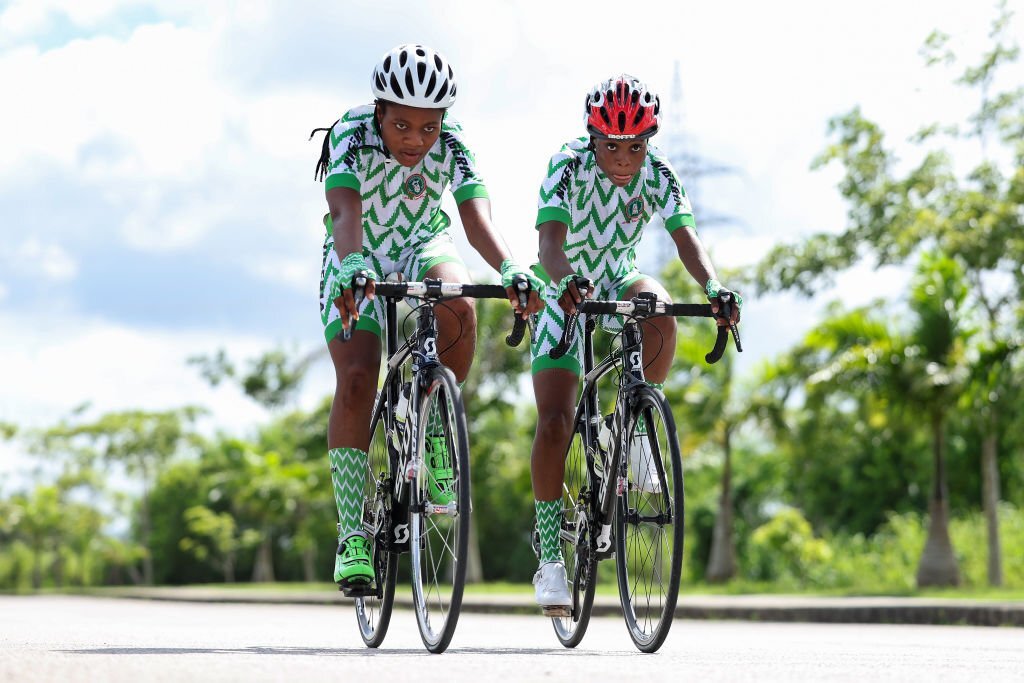
Cycling has become much more than a competitive sport. For many people, it is now a practical way to stay fit, spend more time outdoors, commute more actively, reduce stress, and build a healthier weekly routine. Some riders cycle for performance, some for leisure, some for weight management, and others simply because it gives them freedom and movement in a busy lifestyle.
As more people take cycling seriously, they often begin by focusing on the bicycle itself. They compare frames, gears, tires, helmets, saddles, lights, and shoes. All of these matter, but one important part of the cycling experience is often underestimated: the jersey.
A cycling jersey may look like a simple piece of clothing, but it is designed for a very specific purpose. It supports the body in the riding position, helps manage sweat, provides practical storage, improves comfort, and makes longer rides easier to enjoy. Whether someone is riding on the road, joining a weekend group ride, training for fitness, commuting, or exploring new routes, the right jersey can make a noticeable difference.
The difference becomes clearer as rides become longer. A regular sports shirt might feel fine for a short ride around the neighborhood. But after an hour or two on the bike, small issues can become distracting. A shirt may ride up at the back, trap sweat, flap in the wind, feel heavy when wet, or offer no easy place to store snacks, keys, or a phone. A good cycling jersey is built to solve these problems.
The right jersey will not make a cyclist stronger overnight. It will not replace training, nutrition, hydration, or proper bike fit. But it can help remove many of the comfort problems that make riders stop early, avoid longer distances, or feel less confident. In that sense, cycling apparel can support better fitness habits by making regular riding more comfortable and practical.
Why Cycling Jerseys Are Different From Regular Sports Shirts
At first glance, a cycling jersey may seem similar to a running shirt or gym top. Both are usually lightweight and made for movement. The difference is that cycling creates a very specific body position. A rider leans forward, reaches toward the handlebars, bends at the hips, and stays in that position for long periods.

Regular sports shirts are usually designed for standing, running, lifting, or general movement. They are not always made for a forward-leaning posture. This is why many normal shirts ride up at the back when someone gets on a bike. The lower back can become exposed to sun, wind, or cold air. On longer rides, this becomes uncomfortable.
Cycling jerseys solve this with an extended back panel. The back of the jersey is longer than the front, helping it stay in place while the rider leans forward. The front is often slightly shorter to reduce bunching around the waist. This simple design difference makes the jersey feel better on the bike.
Another major difference is storage. Most cycling jerseys include rear pockets. These pockets allow riders to carry essentials without using a backpack. Food, keys, cards, a phone, a small tool, or a lightweight layer can be stored within reach. For longer rides, this is extremely useful.
A cycling jersey also usually includes a zipper. A full-length zipper allows the rider to control ventilation during the ride. It can be opened during a climb, in hot weather, or during harder efforts, then closed again on descents or cooler sections. This kind of temperature control is one of the reasons cycling jerseys work better than standard athletic tops.
The fabric is also different. Good cycling jerseys are usually made from breathable, moisture-wicking, quick-drying materials. These fabrics help move sweat away from the skin and allow it to evaporate more efficiently. That helps the rider stay more comfortable during changing effort levels and weather conditions.
Comfort Is More Important Than Many Riders Realize
Comfort is not just about feeling good. In cycling, comfort can affect performance, consistency, and safety. A rider who feels uncomfortable is more likely to cut a ride short, skip the next ride, or become distracted on the road.
Discomfort can come from many small things. A shirt may rub under the arms. Sweat may stay trapped against the body. Fabric may flap in the wind. Pockets may bounce. A jersey may feel tight across the shoulders when reaching for the handlebars. These are not major problems during a five-minute ride, but they matter during longer efforts.
Good cycling apparel reduces these distractions. It allows the rider to focus on pedaling, breathing, traffic, terrain, and rhythm. This is especially useful for people using cycling as part of a fitness routine. The more comfortable the experience feels, the easier it becomes to repeat.
Consistency is one of the biggest factors in fitness. A person does not become healthier from one ride alone. Fitness improves through repeated rides over weeks and months. Clothing that makes riding more comfortable can support that consistency.
This does not mean every cyclist needs expensive professional kit. It means riders should choose clothing designed for the way cycling actually feels. A jersey that fits well, manages sweat, and supports movement can make everyday riding more enjoyable.
Temperature Control and Sweat Management
Cycling often involves changing intensity. A rider may start slowly, warm up, climb a hill, descend, stop for water, then ride again. The body temperature changes throughout the ride. Clothing needs to help manage those changes.
Sweat management is one of the most important functions of a cycling jersey. When sweat stays trapped against the skin, the rider can feel damp, sticky, heavy, or cold after the effort drops. In hot weather, poor moisture management can make the body feel overheated. In cooler weather, wet clothing can make descents uncomfortable.
Moisture-wicking fabrics help move sweat away from the skin to the outer surface of the fabric. From there, it can evaporate more easily. This does not eliminate sweating, but it helps the body regulate temperature more effectively.
Breathability also matters. A breathable jersey allows air to move through the fabric, helping heat escape. This is especially useful in warm climates, during summer rides, or when cycling at higher intensity.
Quick-drying materials are also useful because cycling conditions can change quickly. A rider may sweat heavily during a climb, then cool down on a descent. A jersey that dries quickly helps reduce the uncomfortable feeling of wet fabric against the skin.
Cotton is usually not ideal for cycling because it absorbs moisture and dries slowly. It can feel heavy when wet and may cause rubbing over time. Technical cycling fabrics are better suited for repeated movement and longer periods of effort.
Fit Matters for Men and Women
Fit is one of the most important parts of choosing a cycling jersey. A good jersey should feel secure without being restrictive. It should allow the rider to breathe, reach, turn, and move naturally. It should not pull across the shoulders, dig into the waist, or shift constantly during the ride.
Fit is also personal. Some riders prefer a close, aerodynamic cut. Others prefer a more relaxed fit. Faster road riders may want less excess fabric because loose material can flap in the wind. Recreational riders, commuters, or beginners may prefer a little more room for comfort.
Men’s and women’s cycling jerseys should not be treated as the same product in different sizes. Body proportions can differ, and a jersey that fits properly should take this into account. Shoulder width, chest shape, waist fit, hip room, torso length, and sleeve shape all affect comfort on the bike.
For female riders, a women-specific jersey should support the riding position while allowing natural movement. It should provide a secure fit without feeling restrictive, and it should be shaped in a way that works with female proportions. For female cyclists looking for breathable fabrics, cycling-specific fit, and practical ride features, women’s cycling jerseys from Montella Cycling offer options designed for road, gravel, warm-weather riding, and everyday cycling.
Men also benefit from choosing jerseys designed for the body position and demands of cycling. A good men’s jersey should sit comfortably across the shoulders, stay in place at the back, provide stable pockets, and allow airflow during longer rides. Male riders who need lightweight materials, practical storage, and a fit designed for training or weekend routes can explore men’s cycling jerseys from Montella Cycling.
The most important test of fit is not how the jersey looks while standing in front of a mirror. It is how it feels while riding. A jersey should be judged in the cycling position, with the arms forward and the torso slightly bent.
Why Rear Pockets Are So Useful
Rear pockets are one of the most practical features of a cycling jersey. They may seem like a small detail, but they can change the way a rider prepares for a ride.
Cyclists often need to carry small essentials. These may include a phone, keys, money, identification, snacks, energy gels, a small pump, a lightweight vest, or repair tools. Carrying these items in trouser pockets is uncomfortable and sometimes unsafe. Carrying a backpack can work, but it may trap heat and cause extra sweating.
Jersey pockets solve this problem by placing storage on the lower back. The pockets are easy to reach while riding and do not usually interfere with pedaling. Most jerseys have three rear pockets, although some include extra zipped pockets for valuables.
Pocket stability is important. If the jersey is too loose, loaded pockets may bounce or sag. If the fabric is poorly structured, heavier items may pull the jersey down. A good jersey should hold essentials securely without becoming uncomfortable.
This matters especially on longer rides. A rider who can easily reach food is more likely to eat regularly. A rider with a phone, card, and basic tools is better prepared for unexpected situations. Practical storage makes riding more independent and less stressful.
Zippers, Sleeves, and Small Details
A cycling jersey is full of small details that affect comfort.
The zipper is one of them. A full-length zipper gives the rider more control over ventilation. This is useful during hot weather, climbs, or intense efforts. A shorter zipper may be lighter or simpler, but it offers less flexibility.
Sleeve design also matters. Short sleeve jerseys are the most common because they work well in many conditions. Sleeveless jerseys can be useful in very hot weather or for riders who prefer maximum arm movement. Long sleeve jerseys provide more coverage in cooler weather or when sun protection is important.
The collar can also affect comfort. A collar that is too high or stiff may irritate the neck. A collar that is too loose may not provide enough coverage. The best choice depends on riding style, weather, and personal preference.
Waist grippers help keep the jersey in place. They are useful because they prevent the back from riding up during movement. However, a gripper should not feel too tight or uncomfortable.
Reflective details can also be useful, especially for early morning, evening, or commuting rides. They do not replace proper lights, but they can improve visibility. For riders sharing roads with traffic, every additional visibility feature helps.
Cycling Apparel and Safety
Safety in cycling is often discussed in terms of helmets, lights, traffic rules, and road awareness. These are essential. Clothing can also play a supporting role.
Bright colors and reflective elements can help riders become more visible. This is useful for commuters, group riders, and anyone cycling near cars or in low-light conditions. A jersey with visible design features can make a rider easier to notice.
Comfort also affects safety indirectly. A rider who is constantly adjusting clothing, overheating, or feeling distracted may pay less attention to the road. Good apparel reduces these distractions and helps the rider remain focused.
Storage contributes to safety too. Having a phone, money, identification, food, or a small repair tool can make a difference if a ride does not go as planned. Jersey pockets make it easier to carry these items without needing extra bags.
For fitness riders and everyday cyclists, safety is not only about avoiding accidents. It is also about feeling prepared, confident, and comfortable enough to ride regularly.
Matching the Jersey to the Type of Ride
Not every ride requires the same jersey. The best choice depends on distance, weather, intensity, and personal preference.
For short casual rides, a comfortable fit and breathable fabric may be enough. For longer road rides, pocket stability and moisture management become more important. For gravel or adventure rides, riders may value durability, storage, and temperature control. For commuting, visibility and comfort may matter most.
In hot weather, lightweight and breathable jerseys are usually the best choice. A full zipper can help release heat, while quick-drying fabric helps manage sweat. In cooler weather, long sleeve jerseys or layering may be more useful. A base layer, jersey, and lightweight vest can provide flexibility as temperatures change.
Riders who cycle regularly may eventually use different jerseys for different conditions. This does not mean needing a large wardrobe. It means having a few reliable pieces that match the rides they actually do.
A simple setup might include a lightweight short sleeve jersey for warm days, a more versatile jersey for general riding, and a long sleeve option for cooler conditions. Over time, riders learn which styles work best for their climate and habits.
How Better Apparel Supports Fitness Goals
Cycling is a powerful fitness activity because it can be adapted to many ability levels. Beginners can start slowly. Experienced riders can train with intensity. People recovering from other forms of exercise may find cycling easier on the joints than running. It can support cardiovascular health, endurance, weight management, and mental well-being.
But fitness depends on consistency. The easier it is to ride regularly, the more likely people are to keep going. Clothing plays a role in that consistency.
When a ride feels uncomfortable, motivation drops. If a rider feels overheated, wet, restricted, or unprepared, cycling may start to feel like a chore. When clothing supports comfort, movement, and confidence, riding becomes easier to repeat.
A good jersey can help riders stay out longer, carry what they need, and feel more comfortable in changing conditions. These benefits may seem small, but small improvements matter when building a long-term routine.
For everyday riders, the goal is not always speed or competition. Sometimes the goal is simply to ride more often, ride farther, and enjoy the process. Better apparel can support that goal.
Style and Confidence
Performance matters, but style also has value. Riders often feel more confident when they like what they are wearing. A jersey that fits well and looks good can make the ride feel more enjoyable.
Cycling has always had a strong visual culture. Team kits, bright colors, classic designs, modern prints, and distinctive patterns are all part of the sport’s identity. Today, riders can choose from many styles, from minimal and understated to bold and colorful.
For some riders, style is about personality. For others, it is about visibility. Bright colors can help cyclists stand out on the road. Patterns can also be practical because they may hide dust, sweat, or road marks better than plain colors.
The ideal jersey balances performance and personal preference. It should work well, but it should also make the rider want to wear it. That matters because the best cycling clothing is the clothing that gets used regularly.
Choosing a Jersey That Will Actually Be Used
When buying a cycling jersey, riders should think practically. The best jersey is not always the most technical one. It is the one that fits the rider’s body, climate, and habits.
A rider should consider several questions. What kind of rides are most common? Are they short or long? Hot or cool? Fast or relaxed? Is storage important? Is visibility important? Does the rider prefer a close fit or a more relaxed cut?
Fabric should be breathable and quick-drying. The back should stay covered in the riding position. Pockets should be useful and stable. The zipper should allow ventilation control. The sleeves and collar should feel comfortable. The overall fit should support movement without creating pressure.
It is also important to choose clothing that matches realistic riding habits. Someone who rides casually on weekends may not need the same jersey as someone training for long-distance events. A commuter may value visibility and comfort. A road cyclist may value aerodynamics and moisture management.
Good cycling apparel should make riding easier, not more complicated.

