 Follow Us on Google News


 Follow Us on Google Discover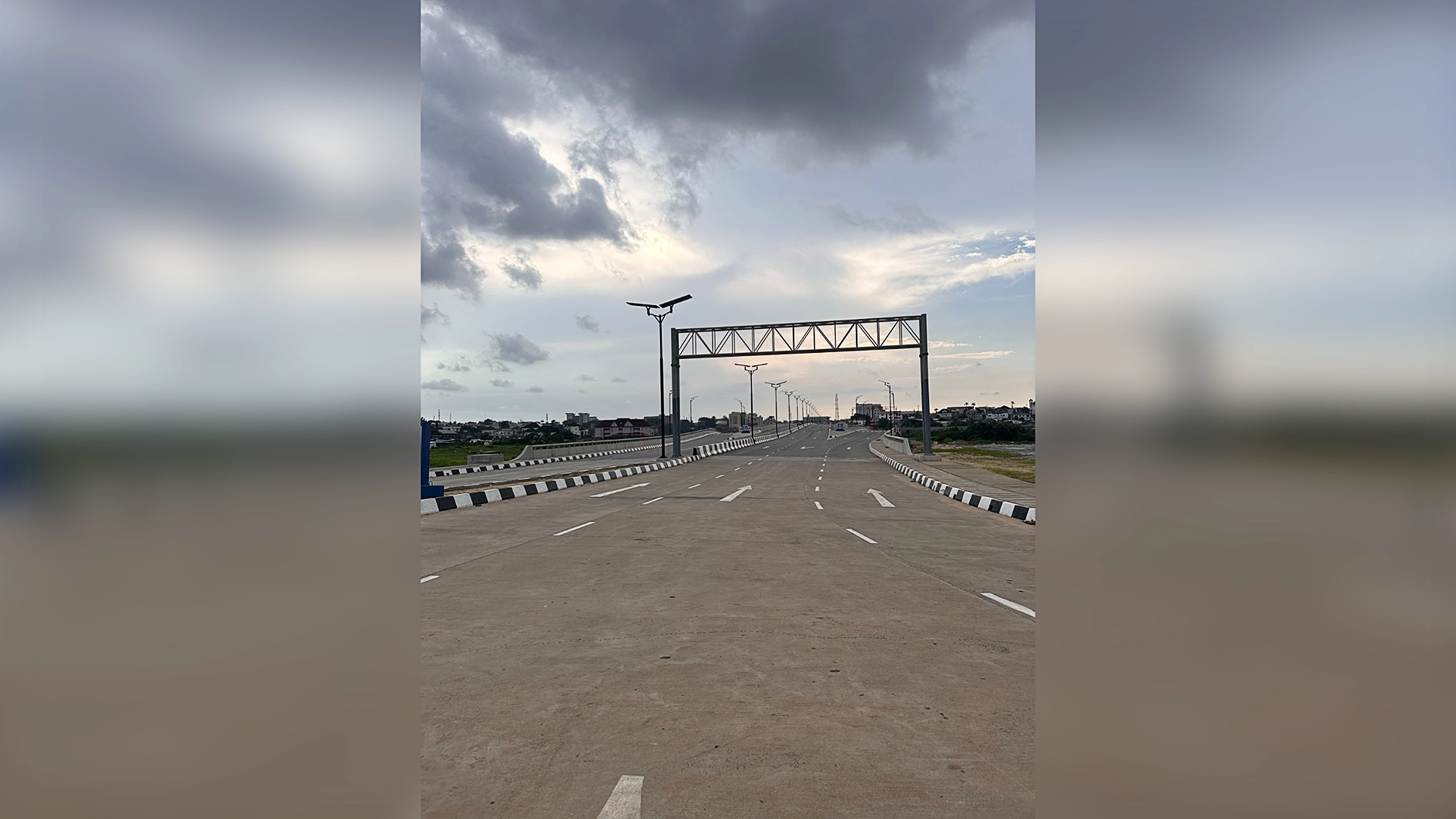
When the Ojota-Opebi Link Bridge, Multi-agency office complex and Lagos State Geographic Information Service (LAGIS) building and data center were commissioned in April 2026, residents and commuters expected a new route that would ease movement between Ojota, Maryland, Mende and Opebi, especially for the road users. It was also expected that the other facilities commissioned would be put to use. But months after, one form of work or the other is still being carried on the sites of the projects.
The multi-agency office complex, officially named the Bola Ahmed Tinubu Administrative Complex (BATAC), is situated within the Government Secretariat precinct in Alausa, Lagos, while the Lagos State Geographic Information Service (LAGIS) building and data center in Alausa, Ikeja. The LAGIS is designed to modernise geospatial data management, streamline land administration, and boost transparency in property transactions.
When The Guardian visited BATAC and LAGIS during the week, artisans were sighted on site still working.
Also, months later, many residents and road users say they are still waiting to fully access the bridge, which remains closed.
The bridge, designed by the Lagos State government to connect Opebi, Mende, Maryland and Ojota, was expected to provide an alternative route to existing roads along the corridor and reduce pressure on areas such as Mobolaji Bank Anthony Way.
According to Lagos State Governor BabajideSanwo-Olu, the project was designed to ease movement across a major traffic corridor in the state.
“Stretching about 5.04km, this project combines elevated bridge sections with connecting roads to create a more direct route for commuters. It also includes space for pedestrians and cyclists,” the governor said in a post on X on April 6, 2026.

He said the impact of the project would be felt through shorter travel times, reduced congestion and more predictable journeys for individuals and businesses.
Construction of the project officially began on January 26, 2022, when Sanwo-Olu flagged off the work, describing it as one of the state’s legacy infrastructure projects.
But months after its commissioning, some residents and commuters who spoke with The Guardian said they were still waiting to fully experience the benefits promised by the bridge.
Speaking with The Guardian, a commuter, who simply gave his name as Jeremiah, said he had attempted to use the bridge but found that it was not yet fully open to motorists.
“I think they just commissioned it for campaign. They only used it that day of the commissioning. Only dispatch riders use it because it was blocked from the Opebi end” he said.
Similarly, DamilolaTaiwo, who regularly uses the route, said he had expected the bridge to reduce the time spends connecting or driving through Mobolaji Bank Anthony Way. “But since the commissioning, it has not been open so we have been unable to use.
“I ply that route regularly, but since the commissioning of the bridge, I have tried to use it twice, but I turned back as it was not opened for use,” he added.
For residents around Mende and Maryland, the incomplete access has also meant that the old routes remain the main option for commuters.
Mathew Ebigba, a trader and artisan at Cane Village, Mende, Maryland, said residents had looked forward to the project when construction started because of the expected changes it would bring.
“I grew up here, so I am very familiar with this place. When they started the construction of the bridge, we were happy that it would ease things, that you don’t have to go to Maryland to turn to connect Opebi,” he said.
According to him, the bridge currently has limited use, with only dispatch riders able to access some parts of it.
“They have blocked it from the Opebi end and at the entrance in Ojota. But from what we are hearing, they said they will open it next year,” he said.
Beyond the concerns about access, the construction of the bridge also changed the lives of some artisans and traders who operated around Cane Village.
Before construction began, many traders and artisans worked around the area beneath the existing bridge structure. Ebigba said they were asked to leave when work on the project started.
He said the relocation affected their businesses because some customers struggled to locate them after they moved.
According to Ebigba, the traders later approached the local council over the possibility of returning to the area after the bridge was completed.
“They asked us to wait, that if they finally open the road, maybe they will consider us to go back to the place. That’s what we are looking at now,” he said.
The displacement of traders around Cane Village had also been mentioned by Lagos State officials before the commissioning of the bridge.
During an inspection of the project, the Lagos State Commissioner for Environment and Water Resources, Tokunbo Wahab, directed the immediate removal of squatters and illegal traders occupying areas beneath the newly constructed bridge.
Wahab said some of those occupying the area were from Cane Village and had converted parts of the bridge’s underside into makeshift homes and shops.
“It is disheartening to see such a landmark project, almost ready for commissioning, taken over by miscreants and illegal traders, even some from the Cane Village creating illegal settlements,” he said.
He said the state government would not allow illegal occupation of public infrastructure and directed security agencies to ensure that squatters did not return.
According to Ebigba, many of those who moved away are still waiting to see whether the completion of the bridge would bring an opportunity to return.
Meanwhile, commuters continue to wait for full access to the route that was expected to provide another option for navigating Lagos traffic.
Taiwo said he looked forward to when motorists would be able to use the bridge fully.
“I can’t wait for them to open it for public use as it will reduce my travel time,” he said.

