 Follow Us on Google News


 Follow Us on Google Discover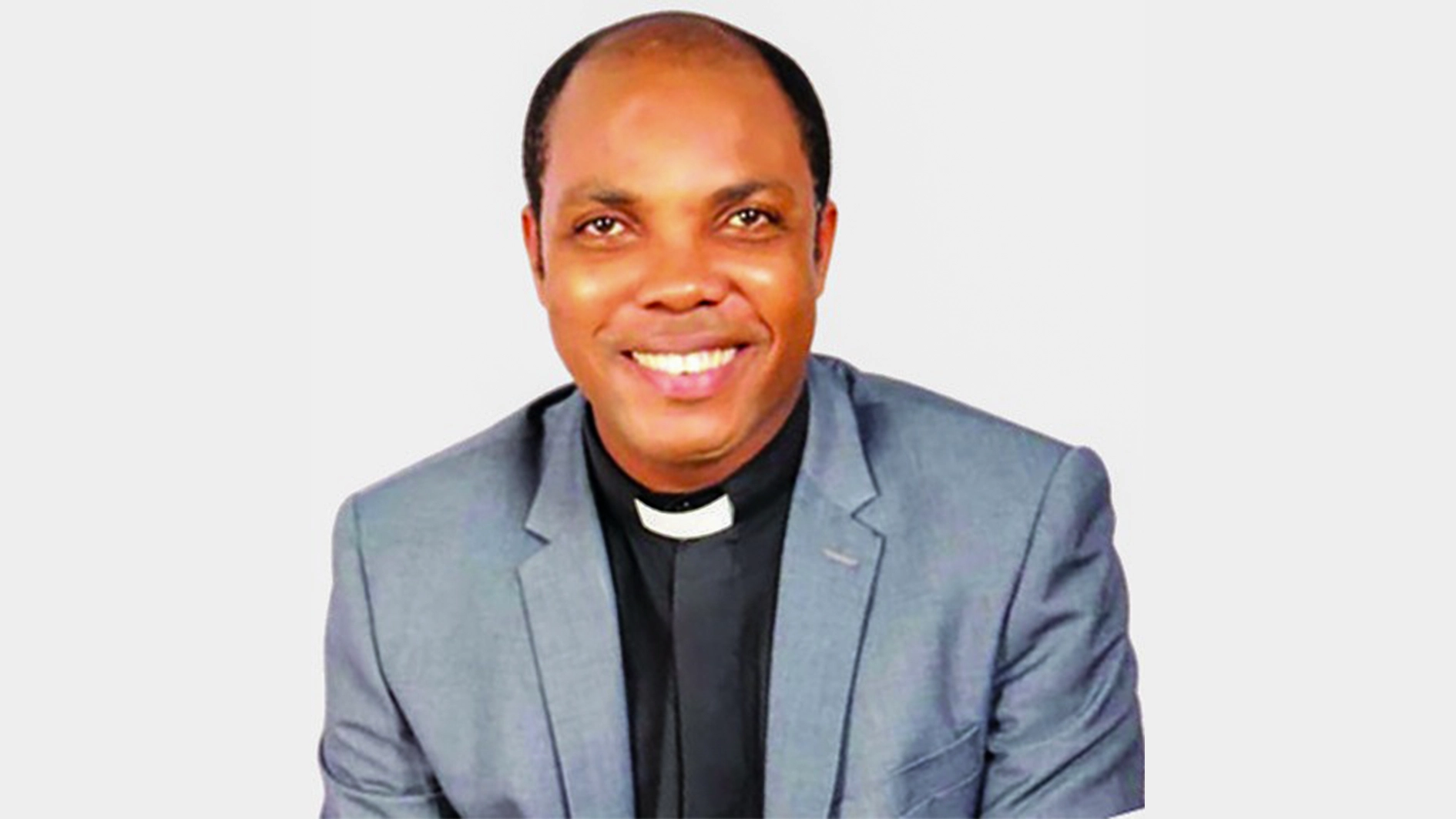
By Stephen Wolemonwu
Life is sacred and sweet. Everyone values their own life; in the decalogue God warned: “Do not kill,” which is the sixth commandment (Exodus 20:13), and was re-emphasised in Deuteronomy 5:17; forbidding the illegal and intentional taking of human life. It is often translated as: “You shall not murder.” It is from the Hebrew word ‘ratsakh,’ which emphasises the sanctity of life created in God’s image.
Man by creation was the only creation of God that was made in God’s image; every other creation including monkey and ape was not.
How come; that those who love their own lives and most times the lives of their loved ones treat others as if they hold no value.
The warning “do not kill” specifically prohibits premeditated, unlawful taking of another’s life, rather than accidental death or killing in legitimate lawful assignment and or self-defence. Even in self-defence before you take life you must consider other alternatives to defending yourself; taking life should be the very least option; motive and premeditation are what defines murder in so-called self-defence.
Love others as you love yourself has a connection to respecting the life of others.

Killing others goes beyond physical killing and extends beyond harbouring deep hatred or anger towards others. Matthew 5:21-22, says: “You have heard that it was said to the ancients, ‘do not murder’ and ‘anyone who murders will be subject to judgment.’ But I tell you that anyone who is angry with his brother will be subject to judgment. Again, anyone who says to his brother, ‘Raca,’ will be subject to the Sanhedrin. But anyone who says, ‘You fool!’ will be subject to the fire of hell.…”
Why The Warning
KILLING someone means taking another person’s life, ending their existence, and causing immense pain to a loved one. It is a permanent act with irreversible consequences, impacting families, communities, and society. In many contexts, it is considered a grave act, often with serious legal and moral implications.
People kill others for various complex reasons, often driven by a mix of factors like:
• Emotionally driven: Anger, fear, revenge, or passion
•Psychologically driven: Mental health struggles, impulsivity.
• Socio-economic factors: Poverty, inequality, lack of opportunities.
• Wrong cultural or ideological beliefs: Extremism, gang violence.
• Self-defence or protection: Perceived threatsin Nigeria, factors like insecurity, ethno-religious conflicts, and resource disputes can contribute to violence.
Some Socio-Economic Factors Contributing To Violence Include:
• Poverty: Limited access to resources, jobs, and opportunities.
• Inequality: Gaps in wealth, education, and healthcare
• Unemployment: Lack of economic prospects, especially for youth.
• Corruption: Misuse of power and resources, fostering frustration.
• Poor governance: Inadequate services, insecurity, and mistrust in institutions.
In Nigeria, factors like these can fuel tensions and insecurity.
Scriptural and Spiritual Definitions
SCRIPTURALLY, murder is not limited to the physical act, but includes the intent of the heart, representing a failure to respect the sanctity of life created in God’s image.
• Hatred and Deep Malice: The Bible equates deep-seated hatred or malice against another with murder (1John 3:15).
• Anger and Contempt: Jesus expanded this commandment, stating that anger, calling someone “fool” (Raca), or harbouring contempt for a brother or sister makes one liable to judgment (Matthew 5:21-22).
• The Ven. Stephen Wolemonwu, Rector, Ibru International Ecumenical Centre; 08035413812; stephenwolem [email protected]

