 Follow Us on Google News
 Follow Us on Google Discover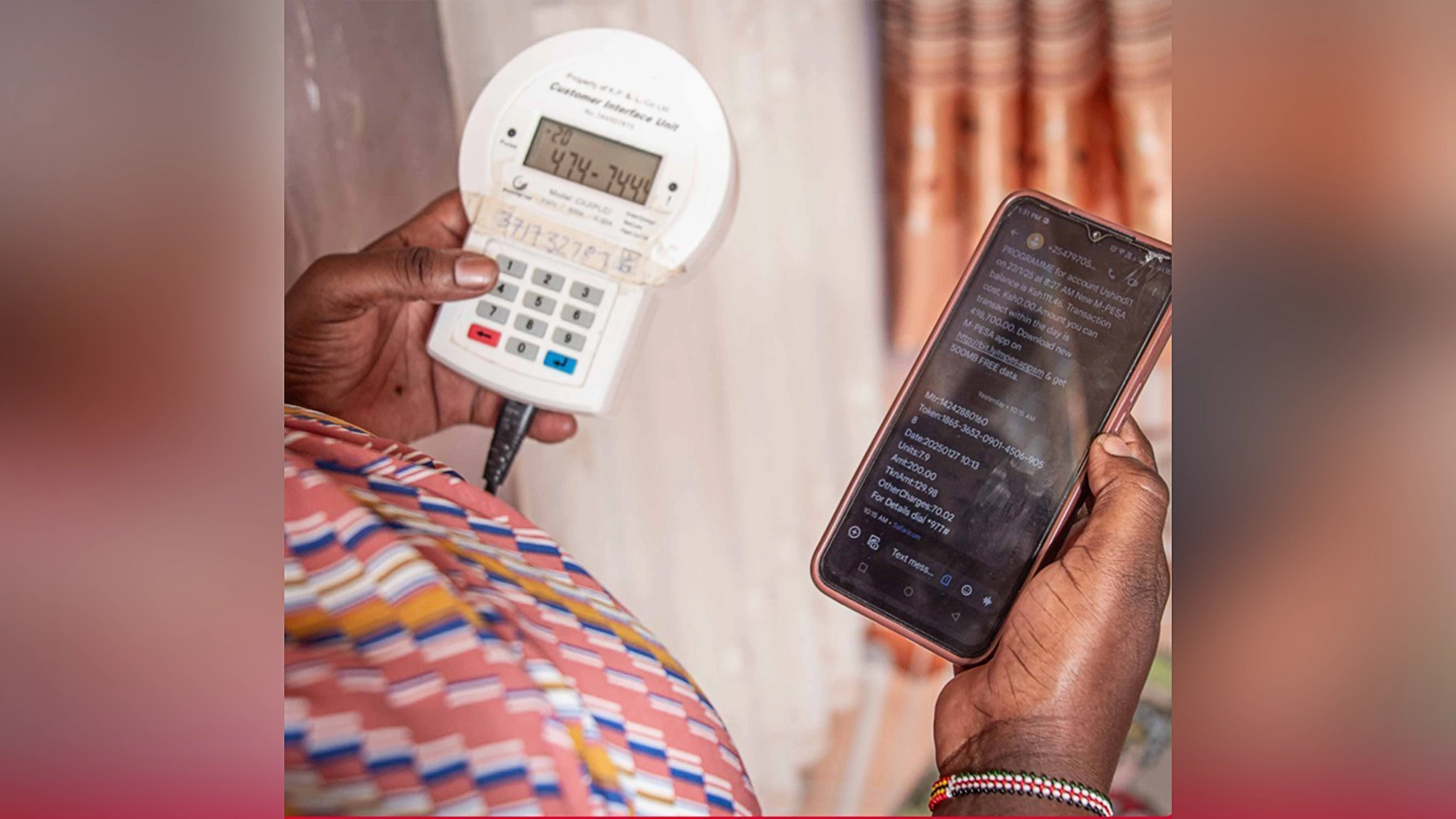
A new GSMA report has sounded the alarm, saying connecting households to electricity is no longer sufficient. It said the real challenge is ensuring that power is used productively to drive livelihoods, strengthen businesses, and fuel economic growth.
According to the World Bank, nearly 447 million people classified as having electricity access do not actually use it in meaningful ways. Weak supply, high costs, and limited access to appliances or markets mean that electricity often fails to translate into improved productivity or income.
The GSMA study, titled: ‘Productive Use of Energy across Energy Systems: A Review of Policy and Digital Enablement in India, Kenya, Uganda and Nigeria’, highlighted five digital levers now reshaping energy systems. This includes digital planning tools to improve site selection and demand visibility, system optimisation platforms to enhance reliability and manage loads, smart metering and data systems for accurate billing and customer segmentation, remote monitoring tools to boost asset and appliance performance and customer management systems enabling mobile payments, financing and tailored service delivery.
Together, GSMA said these innovations are helping providers move beyond simply delivering power to building responsive, demand-oriented systems.
With countries exploring different paths, the telecom advocacy body noted that in Nigeria and Uganda, where grid reliability is weak, digital solutions are supporting decentralised systems such as mini-grids and solar home systems.
According to it, in Kenya, digital tools are stimulating demand and improving utilisation. In India, with near-universal access, the focus is on system performance and integrating distributed energy.
In the document, Managing Director of Nigeria’s Rural Electrification Agency, Abba Abubakar Aliyu, stressed: “Electrification is not just about delivering power. It is about enabling productivity, unlocking opportunity, and building a more resilient and dynamic economy.”
The GSMA report outlined structural changes shaping the future of energy. These are decentralised energy as the economic default, convergence of centralised and decentralised systems, intermediary cities as the new frontier of demand, diversification of financing models beyond asset ownership, and digital systems shaping access and use, influencing who can finance and sustain productive applications.
Looking ahead, it noted that the next phase of electrification will be defined not by how many households are connected, but by how effectively those connections support sustained economic activity.
It stressed that digital innovation is central to this transformation, but it must be grounded in strong energy systems, clear regulatory frameworks, and effective coordination across stakeholders.
GSMA warned that scaling productive use of energy requires aligning infrastructure, digital tools, financing, and market development around how electricity is actually used. Done right, it said this convergence could unlock new opportunities, strengthen resilience, and drive inclusive prosperity across emerging economies.

