 Follow Us on Google News


 Follow Us on Google Discover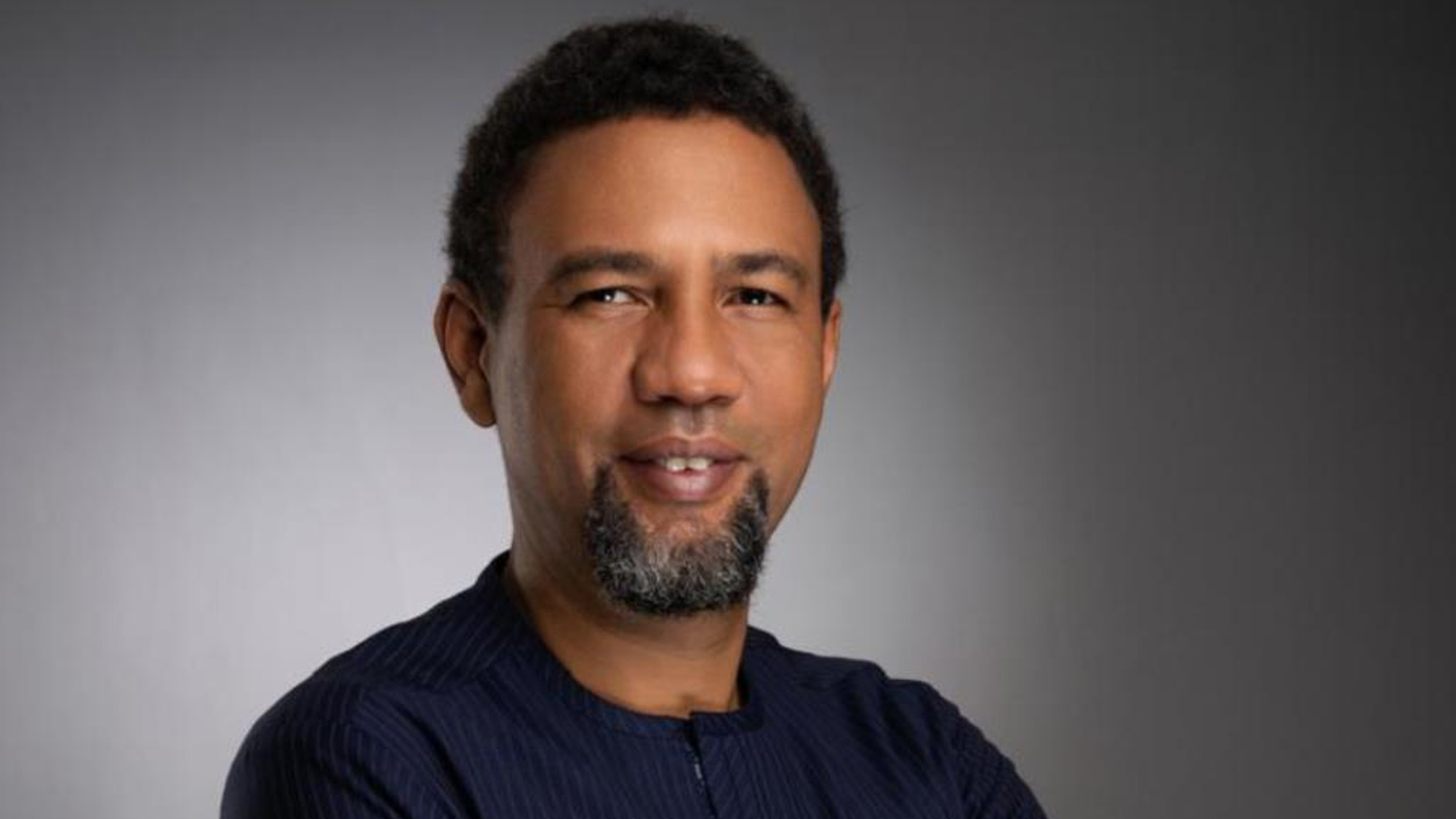
MTN Nigeria Chief Executive Officer, Karl Toriola, has offered a startling insight into the operational challenges crippling the nation’s telecommunications infrastructure, revealing that the frequency of fibre optic cable cuts in Nigeria is a primary driver of poor quality of service (QoS).
In a monitored broadcast interview, Toriola highlighted a dramatic disparity in infrastructure security, stating that Nigeria experiences more fibre cuts in a single day than Saudi Arabia records in an entire year.
He said this constant disruption forces operators into a reactive cycle, severely undermining efforts to provide stable connectivity and frustrating subscribers who bear the brunt of service degradation.
The MTN CEO detailed the harsh reality of operating in Nigeria, where fibre cables are frequently severed by road construction, excavation, and deliberate vandalism. He noted that in many cases, criminals engage in “Kito” (extortion), digging up cables specifically to demand ransom from operators for repairs. This criminal element added a significant financial burden and delayed restoration, directly impacting service availability for millions of users.
The CEO explained that this high rate of vandalism forces MTN into a perpetual state of “reactive” maintenance rather than “proactive” network expansion. While the company is investing heavily—with plans for nearly N1 trillion in CAPEX, Toriola admitted that funds are frequently diverted to fixing broken infrastructure.
This diverts resources from enhancing capacity or rolling out 5G, meaning consumers often experience slow speeds and dropped calls because the physical network backbone is literally being dug up.
Toriola used the interview to renew calls for telecom infrastructure to be classified as Critical National Infrastructure. He argued that without this designation, and the attendant military or police protection it affords, operators will continue to battle “selfish” elements, who see cables as a source of quick cash rather than essential utilities.
Until the government addresses this security challenge, Toriola warned, the “QoS gap” will persist despite massive financial outlays by operators.
Meanwhile, MTN Foundation, in collaboration with the Senator Abiru Innovation Lab (SAIL) and Co-Creation Hub, have trained educators across Nigeria. This event was part of the ongoing 12-week Teachers Programme, an initiative designed to enhance digital skills in the classroom. The programme is designed to equip classroom teachers with artificial intelligence tools and skills to improve teaching and learning outcomes in the 21st century.
Facilitating the programme’s 10th week, Oluwatobi Olayanju, a data scientist and business analyst at Data Science Nigeria, led a virtual session focused on AI literacy, responsible technology use, and the practical integration of AI into lesson delivery. The training engaged educators from across Nigeria who have been participating in the series since its inception, with attendees reporting gains in skills ranging from 2D animation and cloud-based note taking to advanced AI-powered lesson planning and content creation.
The programme is the latest in a series of corporate-led education interventions in Nigeria, a country where the United Nations Educational, Scientific and Cultural Organisation (UNESCO) says is characterised by a critical education bottleneck, with over 10.2 million primary school-aged children out of school, the highest number in the world. When factoring in secondary-age adolescents, that number climbs to nearly 20 million, making Nigeria one of the top three countries globally for youth exclusion from education. While out-of-school figures remain alarming, advocates argue that upskilling teachers already in classrooms is an equally urgent priority.
Olayanju walked participants through a broad ecosystem of AI tools available to educators, including chatbots for lesson planning, visual design platforms, text-to-video and text-to-audio converters, and assessment generators. He also introduced participants to ditchthattextbook.com, which he described as “a centralised repository that aggregates these essential resources” a platform dedicated to helping educators discover and apply modern digital tools in their practice.

Joy Medupin, who manages the training arm of the programme on behalf of Co-Creation Hub, described the energy among participants as remarkable. With two more training weeks remaining before a final project phase, organisers say the programme is on course to produce a cohort of educators fully equipped to teach and assess in an AI-integrated environment.

