 Follow Us on Google News


 Follow Us on Google Discover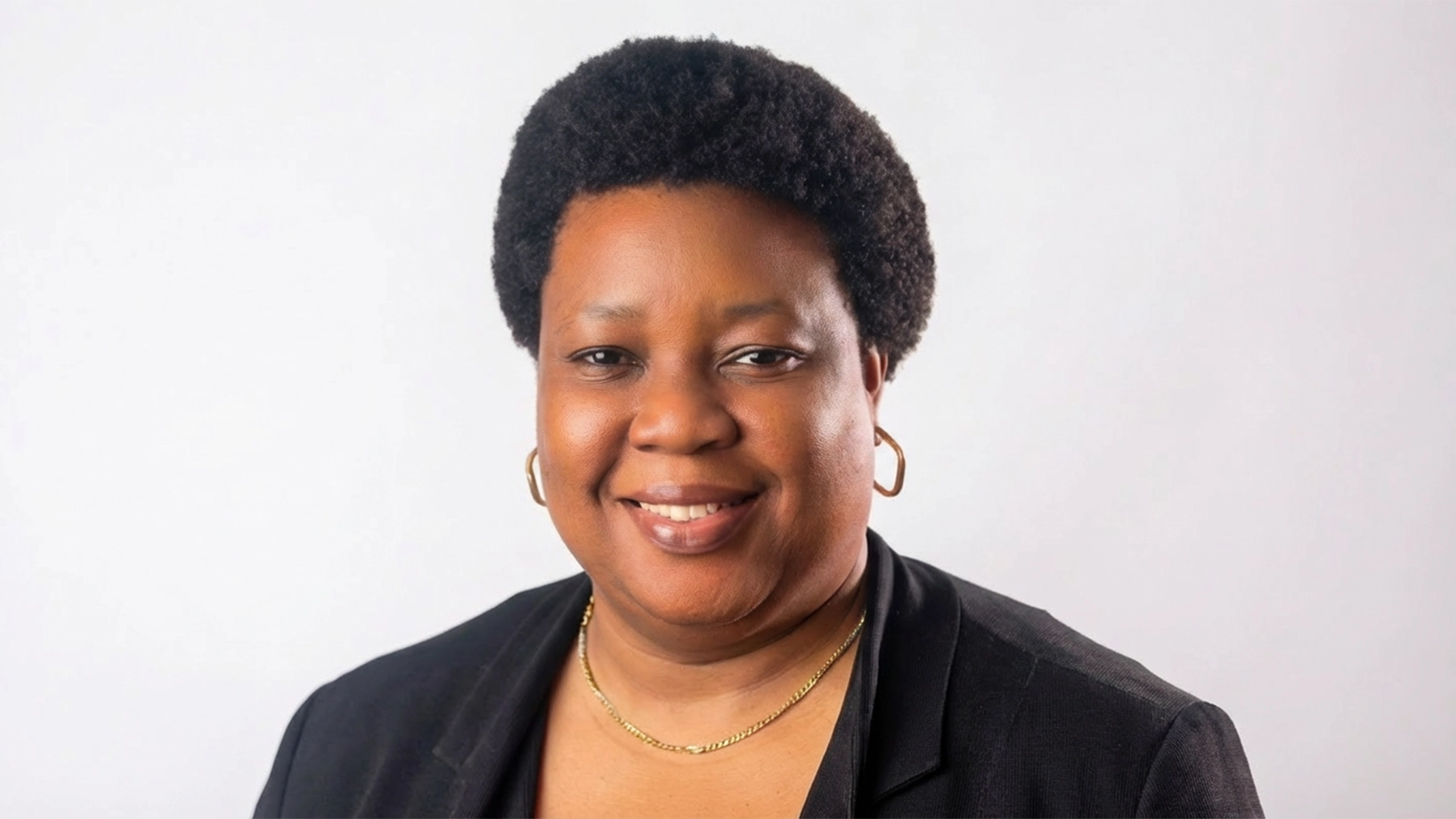
Nigeria is currently at a pivotal crossroads, balancing the immense promise of technological leapfrogging with the complexities of digital ethics. General Manager, Cavista Technologies, Oyebola Morakinyo, in an interview with ADEYEMI ADEPETUN, says as Africa’s largest economy seeks to harness artificial intelligence for growth, the focus should be on how it can innovate without leaving its people behind or compromising on security.
With claims that AI is pushing people out of jobs, how can we balance the role played by software engineers and what AI can achieve?
AI is a multiplier of human potential, and adoption must be ambitious, though responsible. The approach should be both ambitious and responsible. For a firm like Cavista, we are investing in capability, which means upskilling our teams, so they understand not just how to use AI tools but how to apply them strategically and ethically.
Secondly, we are embedding AI into areas where it delivers measurable value to improve operational efficiency, enhance customer experience, and enable smarter decision-making through data-driven insights.
Finally, as adoption accelerates, responsible use becomes non-negotiable, so governance is critical. We are putting in place clear policies around data protection, transparency and accountability to ensure AI strengthens trust rather than erodes it.
In the context of brain drain, what should the private sector do to retain critical skills?
Brain drain is real and we are not going to shy away from it. From the private sector perspective, like what we are currently doing, especially through the hackathon, we are giving them a voice, making them relevant and building their confidence. We are also telling them that your skill sets are valid not just locally but on the world stage. You can create a global impact without leaving the country. From Nigeria, you can project your knowledge and expertise onto the global stage. By harnessing the transformative capabilities of artificial intelligence, you can collaborate seamlessly across borders, contributing to industries and communities worldwide, demonstrating that meaningful global influence can be achieved while working from our home soil.
From a government perspective, we will appeal for more infrastructure, cheaper or even free Internet connectivity to make a difference, furnish schools with more modern technology in terms of laptops, laboratories for computer science, and so on. One of the things we are also doing is that we are partnering with Babcock University to influence the curriculum and prepare the Computer Science graduates because we are building for the long term.
Through this partnership, we are empowering students with industry-relevant courses that cultivate essential skills, equipping them to excel in Nigeria’s dynamic landscape while fostering sustainable growth that strengthens the broader ecosystem. Innovation must be locally built and locally competitive.
What impact do competitions like hackathons have on the student-tech environment and the wider economy?
The impact is in multiple folds. For the students, we want to build their confidence, equip them with tools and mentors, and share feedback with them to refine their ideas, helping them to build even more in-depth solutions and think through them differently.
For the ecosystem within which we operate, we are preparing well-equipped talents that are ready to enter the workforce with that problem-solving and ownership mindset that we teach, and they must make a difference in technology in Nigeria. For the economy, we can tap into the natural youth resources and ensure that Nigeria moves forward. Technology is the way of the future and any organisation that wants to operate in the future must have a strategy to leverage technology for advancement. The fact that we are investing in these young people today is Cavista Tech being intentional about our strategy for the future. This hackathon is the fourth edition by Cavista and the impact has been phenomenal.
What forms of innovation and youth-driven ideas are you aiming to foster through teaching and training initiatives for Nigeria and Africa?
In some organisations, innovation is a department, but for us at Cavista, it is more than that. Innovation is a mindset, and it is how we operate every day. The way we look at innovation is that we are intentional about how we create ideas. For instance, this year, we had a room full of about 200 students who are going to be innovative and create solutions guided by the theme ‘From Data to Prevention, AI as Your Health Partner’. They were going to come up with a lot of solutions that may not all advance into products, but will shape the way we think about preventive health challenges using AI, because it’s all about solving real-life issues and being creative about problem-solving.
For us, innovation is how we look at real-life ideas, how we don’t give up in the face of challenges and we will keep pushing to get results.

How do we bridge the gap between the raw potential of the youth and the vast economic opportunities?
I want to say that we must continue to place our faith in Nigeria, for our greatest natural resource lies not beneath the ground but within our people. With over 70 per cent of our population under the age of 30, our youth represent the nation’s most valuable capital. If we harness their energy, creativity, and potential with intention and purpose, we will unlock unprecedented opportunities and set Nigeria firmly on the path to a prosperous and sustainable future.

