 Follow Us on Google News


 Follow Us on Google Discover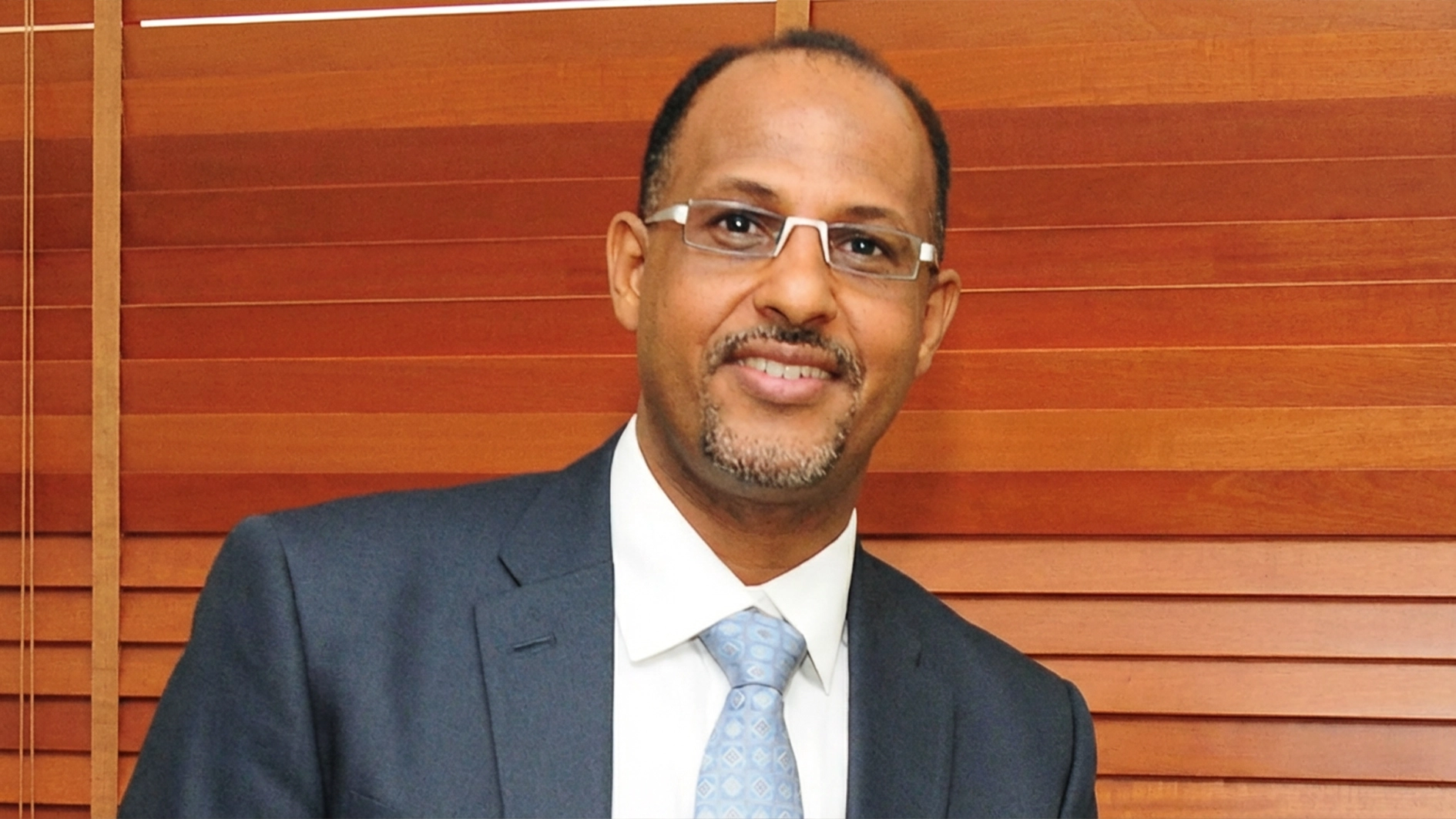
*NCC inaugurates Council, tasks members on migration
Nigeria hopes to ensure 30 per cent nationwide compliance with the Internet Protocol version 6 (IPv6), a technology that promises to boost connectivity, by 2030, to benefit immensely from the $18 billion market opportunity.
This was revealed yesterday in Lagos at the inauguration of the IPv6 Council by the Nigerian Communications Commission (NCC).
Chairman of the Nigeria IPv6 Council, Muhammed Rudman, had lamented the slow pace of migration from IPv4 to IPv6 in the country.
IPv6 is the latest, 128-bit networking standard designed to replace IPv4. It offers an astronomically large address space (addresses) to support the growing Internet of Things (IoT) and eliminates the need for Network Address Translation (NAT) by providing unique global addresses for devices.
IPv6 is the latest version of the Internet addressing system that allows devices such as phones, computers and smart machines to connect directly to the Internet using unique addresses.
Unlike IPv4, IPv6 provides a much larger number of addresses, making it easier to support modern technologies like 5G, cloud computing and the IoT.

While lamenting the slow migration, Rudman disclosed that a coordinated framework to achieve nationwide IPv6 adoption through dual-stack transition, enhanced network performance and security and comprehensive capacity building across all sectors of the digital economy has been activated.
He puts the 2027 government IPv6 networks target at 20 per cent, while 25 per cent of telecom operators are expected to comply by 2027. By 2030, the compliance rate is to reach 30 per cent.
According to him, adoption has remained low at five per cent in Nigeria since the plan started 13 years ago. He stressed that while Africa has a six per cent reach, the global community boasts of 40 per cent penetration.
According to him, IPv6 is essential for Nigeria’s digital transformation, providing the foundation for unlimited connectivity, enhanced security and next-generation technologies that will drive economic growth and motivation.
Rudman, who is also the CEO of IXPN, said the slow transition from IPv4 is largely due to weak demand, limited awareness, and the continued availability of the older system across the globe. He puts the IPv6 market opportunities at over $18 billion.
“Most users just want internet access. They do not care whether it is IPv4 or IPv6. That is why operators are not under pressure to migrate, even though the future depends on it,” Rudman said.
While inaugurating the council, the Executive Vice Chairman of the NCC, Dr Aminu Maida, said the situation requires urgent action, describing IPv6 as critical to Nigeria’s digital future, security and economic growth.
“IPv6 is no longer optional. It is a strategic necessity. The investments we make today will determine Nigeria’s digital competitiveness tomorrow,” Maida said.
To address the gap, the NCC and the Nigeria IPv6 Council have introduced a National IPv6 Implementation Strategy aimed at accelerating adoption across sectors.
Industry experts noted that reliance on IPv4, supported by technologies such as NAT, is also delaying migration. While NAT allows multiple users to share a single IP address, it creates challenges for security, performance and future innovation.
Technology leader, Chris Uwaje, said Nigeria must rethink its approach to digital infrastructure to achieve true digital sovereignty.
“We cannot continue to depend on outdated systems while the world is moving forward,” he said.
Analysts claimed that countries that delay IPv6 adoption risk higher costs in the future, slower innovation, and reduced competitiveness in emerging technologies.

