 Follow Us on Google News


 Follow Us on Google Discover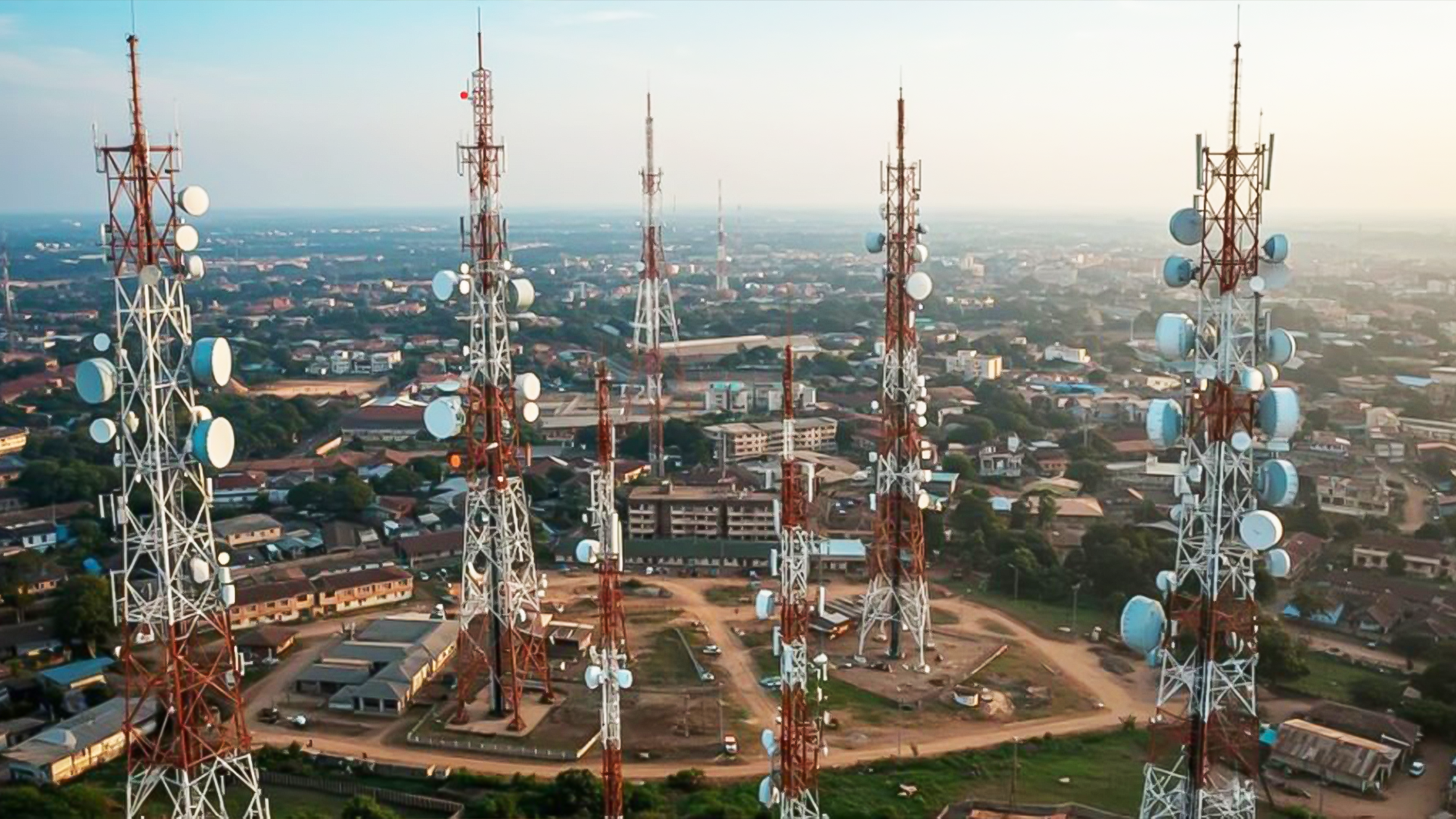
ADEYEMI ADEPETUN writes that Nigeria’s telecommunications sector, a vital GDP driver, is being systematically throttled by a chronic energy crisis.
In the heart of Lagos, Abuja and Kano, the pulse of Nigeria’s digital economy beats through millions of smartphones. Yet, behind the interface of fintech apps and streaming services lies a gritty struggle for corporate survival.
For the Nigerian telecommunications sector, the ‘invisible’ hurdle to universal connectivity is not just a lack of fibre cables or radio spectrum. It is the chronic, systemic failure of the national power grid.
As of early 2026, Nigeria’s telecom industry stands at a paradoxical crossroads. On one hand, it is a powerhouse of growth, contributing over 20 per cent to the national GDP and pushing broadband penetration past the 53 per cent mark. On the other hand, it is an industry tethered to a failing power infrastructure that drains billions of dollars in operational expenditure, stalling the expansion of 5G and leaving millions in rural blind spots.
Power connectivity nexus
IN a functional economy, telecommunications equipment, including base transceiver stations (BTS), data centres, and switching offices, is powered by the national grid. In Nigeria, the grid is more of a backup than a primary source. With national power generation often fluctuating between 3,500MW and 5,000MW for a population of over 220 million, the energy supply is notoriously bad (prone to surges) and inconsistent.
For a telecom operator, 99.9 per cent uptime is not a luxury; it is a regulatory and commercial necessity. When the grid fails, towers must immediately switch to alternative sources. This has forced the industry into an ‘energy-first’ business model where operators are essentially power generation companies that happen to sell airtime and data.

How the power gap slows growth
THE lack of reliable electricity acts as a friction point that slows the momentum of the industry in three critical ways, according to industry analysts.
First, there is the diesel trap and soaring operating expenses (OPEX). The most immediate impact of the power gap is the staggering cost of fuelling. Nigerian telcos and Tower Companies (TowerCos) consume hundreds of millions of litres of diesel yearly to keep the country’s over 50,000 base stations running.
According to industry reports from early 2026, energy costs now account for over 45 per cent to 50 per cent of the total OPEX for major providers.
Every Naira spent on a litre of diesel is a Naira not spent on expanding the network into a rural village or upgrading a 4G site to 5G. This supposed diesel trap creates an artificial ceiling on growth; as global oil prices fluctuate and the Naira remains volatile, the cost of staying online becomes a predatory drain on capital.
Secondly, there is the throttling of rural expansion. The last mile problem in Nigeria is primarily an energy problem. In many remote areas, there is no grid presence at all. To deploy a tower in a rural community, an operator must build a mini-power plant—complete with twin generators, solar arrays, battery storage, and 24/7 security to prevent fuel theft.
The Return on Investment (ROI) for these sites is often negative for the first several years. Consequently, operators prioritise network densification in high-traffic urban areas like Lagos or Port Harcourt, where they can at least recoup costs, rather than venturing into the digital deserts of the hinterlands. This deepens the rural-urban digital divide.
Thirdly, there is the premature equipment failure. The President of the National Association of Telecoms Subscribers of Nigeria (NATCOMs), Deolu Ogunbanjo, observed that the instability of the Nigerian grid is often more damaging than total blackouts.
He said frequent voltage spikes and brownouts wreak havoc on sensitive electronic components, stressing that rectifiers, air conditioning units for server rooms, and radio hardware frequently burn out, leading to increased maintenance cycles.
He submitted that this technical instability translates directly into the dropped calls and intermittent data that frustrate millions of subscribers.
Speaking from the angle of increased fuel cost, Head, Regulatory and Public Relations Manager, FibreOne, Kehinde Joda, said an increase in fuel prices is a more direct and immediate challenge for telecom operators in Nigeria.
He stressed that telecom infrastructure — including base stations, Points of Presence (PoPs), and data centres—relies heavily on diesel-powered generators due to limited grid reliability.
“As fuel prices rise, the cost of powering and maintaining network uptime increases significantly. This has led to increased operating costs across the board, reduced profit margins due to higher energy, logistics, and maintenance expenses, strain on service delivery, including network expansion, deployment timelines, and maintenance cycles.
“In addition, operators are experiencing increased costs from suppliers, further compounding the financial pressure on the sector.”
Bridging the gap
PERHAPS, as major business strategies, telecom operators have not waited for a miracle from the national grid. Recognising that energy self-sufficiency is the only path to survival, the industry has pioneered some of the most innovative infrastructure solutions in Africa.
For instance, the most significant trend in 2025 and 2026 has been the aggressive transition to hybrid and solar power. Major players like MTN Nigeria and Airtel have launched large-scale initiatives to ‘green’ their footprints.
MTN’s commitment to achieving net-zero emissions by 2040 has seen the company migrate thousands of sites to solar-hybrid solutions. By integrating high-capacity lithium-ion batteries with solar arrays, operators can reduce diesel consumption by up to 40 per cent per site.
Further, under recent partnerships with the Federal Government’s Project BRIDGE, operators are deploying specialised low-footprint towers in rural areas. These sites are designed to run almost exclusively on solar energy, significantly lowering the barrier to entry for underserved communities.
Infrastructure sharing strategy
THE burden of power management has largely shifted from mobile network operators (MNOs) to specialised tower companies like IHS Towers and American Tower Corporation (ATC).
By hosting multiple operators (MTN, Airtel, Globacom) on a single tower, the energy cost is shared. This co-location strategy is the backbone of Nigeria’s telecom resilience. TowerCos are now investing heavily in Energy Research Centres to optimise battery life and remote monitoring systems that can detect a generator failure or fuel theft in real-time via IoT sensors.
Operators are also moving away from energy-intensive microwave links, which require powered ‘repeater’ stations every few kilometres, toward fibre optic cables. While the initial cost of laying fibre is high due to Right-of-Way (RoW) fees and construction, a fibre network requires significantly less power to transmit data over long distances. The industry-led push to lay 90,000km of additional fibre by 2026 is a strategic move to decouple data growth from energy consumption.
Beyond the SIM card
THE power-telecom bottleneck isn’t just an industry problem; it’s a national economic risk. Nigeria’s Digital Economy agenda, which aimed to digitise government services and boost the startup ecosystem, rests entirely on the stability of these networks.
When a tower goes down due to a lack of fuel or a grid surge, things happen.
Speaking with The Guardian, a fintech expert, Gbenga Ogunowo, said when a tower goes down, Fintech stalls. He said Point-of-Sale (PoS) terminals in markets fail, halting micro-transactions.
Ogunowo said education suffers. He said this to say that students on e-learning platforms lose access to resources.
He added that safety is compromised, stressing that emergency services and security communications are severed.
The Nigerian Communications Commission (NCC) has recently introduced the Green Telecoms Initiative, encouraging the adoption of renewable energy through regulatory incentives. However, more is needed.
Experts, including the Chairman of the Association of Licensed Telecom Operators of Nigeria (ALTON), Gbenga Adebayo, suggested that ‘telecoms-priority’ status for the national grid, ensuring that key switching centres receive a steady power load, which could alleviate the pressure on major hubs.
Further, the government’s efforts to decentralise the power sector through the Electricity Act 2023 offer a glimmer of hope. By allowing states and private entities to generate and distribute power, telecom hubs could eventually tap into localised ‘micro-grids,’ reducing their reliance on both the failing national grid and expensive diesel.
Going forward
THE telecom sector is a survivor. It has built a multi-billion-dollar ecosystem on a foundation of shifting sand, providing world-class digital services despite a third-world energy reality. The power infrastructure gap remains the single greatest “drag” on the nation’s digital flight.
While the efforts of operators to bridge this gap through solar innovation and infrastructure sharing are heroic, they are ultimately “workarounds” to a fundamental problem. For Nigeria to truly unlock the potential of 5G, AI, and the Fourth Industrial Revolution, the hum of the telecom tower must eventually be powered not by the roar of a diesel generator, but by a stable, modern, and efficient national power grid. Until then, the industry will continue to run a marathon with a weighted vest—moving forward, yes, but at a cost that the nation can ill afford to ignore.

