 Follow Us on Google News


 Follow Us on Google Discover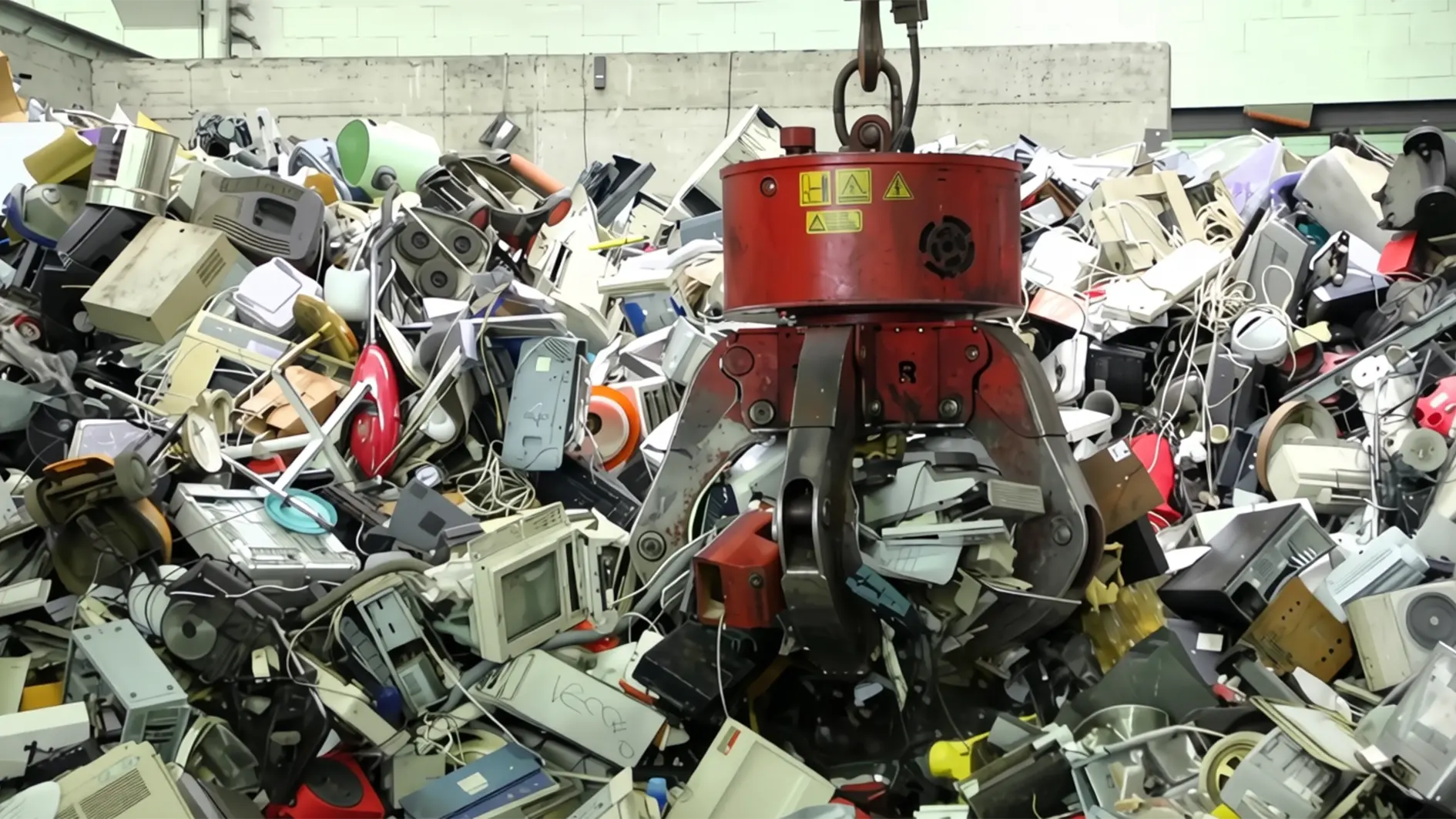
The founder of Gocycle.ng (e-waste marketplace), Emmanuel Okoegwale, said Africa does not have an e-waste supply problem, but a logistics problem and that Nigeria’s informal collectors hold the key to solving it.
Okoegwale, in an article made available to The Guardian on Monday, noted that across the continent, electronic waste is accumulating at an alarming rate. He said Nigeria alone generates more than 100,000 metric tonnes yearly, yet collection efficiency remains critically low.
While global e-waste systems evolve into data-driven eco-hubs, moving away from manual, hazardous dismantling toward standardised, high-yield recovery, he said much of Africa is still playing catch-up.
But what if the solution isn’t importing foreign systems, but upgrading the ones already in place, he queried?
However, he said the backbone of Nigeria’s current e-waste collection isn’t corporate recycling plants, but the ‘Babanbola’, the informal collector pushing a cart through urban neighbourhoods, navigating mechanic hubs and commercial centres in a hyper-localised manner. He said these workers roam the cities, relying largely on chance to find and trade assets like batteries, often at predatory prices from asset owners who don’t know their end-of-life waste’s true value.
To Okoegwale, the answer lies in transforming the Babanbola from an informal scavenger into a micro-gig entrepreneur, powered by digital tools that connect end-of-life asset owners, certified recyclers, smelters, and manufacturers through a digital marketplace.

“Just as ride-hailing platforms use software applications to connect rider demand with drivers, digital platforms will bridge the fragmented e-waste value chain. By treating e-waste collection as a micro-gig, a decentralised network of verified and formalised Babanbolas can accept scheduled on-demand pickup from households and businesses, supported by real-time price intelligence that ensures they know the exact value of the scrap they’re collecting and trading before they reach the collection point,” he stressed.
According to him, this improves income, reduces idle time, increases collection efficiency and density, while reducing e-waste that should be sitting unused in homes and workshops—leaking and polluting groundwater and the environment.
He said digitalisation in the sector will improve access, safety, efficiency, and environmental compliance. He said that when Babanbolas operate entirely in the shadow economy, they resort to crude extraction and processing methods that release toxic materials into the air, soil, and water systems.
He said by financially incentivising them to bring e-waste directly to certified, verified recyclers rather than processing it informally, the entire value chain becomes cleaner.
The Gocycle.ng boss said product verification ensures transparent tracking, stressing that every battery collected is digitally recorded, creating traceability for vendor take-back schemes while meeting international compliance standards.
According to him, the future of African sustainability cannot be built by pushing the informal sector aside; it must be built by upgrading them. He posited that by shifting the Babanbola from an isolated scavenger to an agile last-mile e-waste collector backed by technology within a micro-gig economy, Nigeria can lead the continent in green tech innovation.

