 Follow Us on Google News


 Follow Us on Google Discover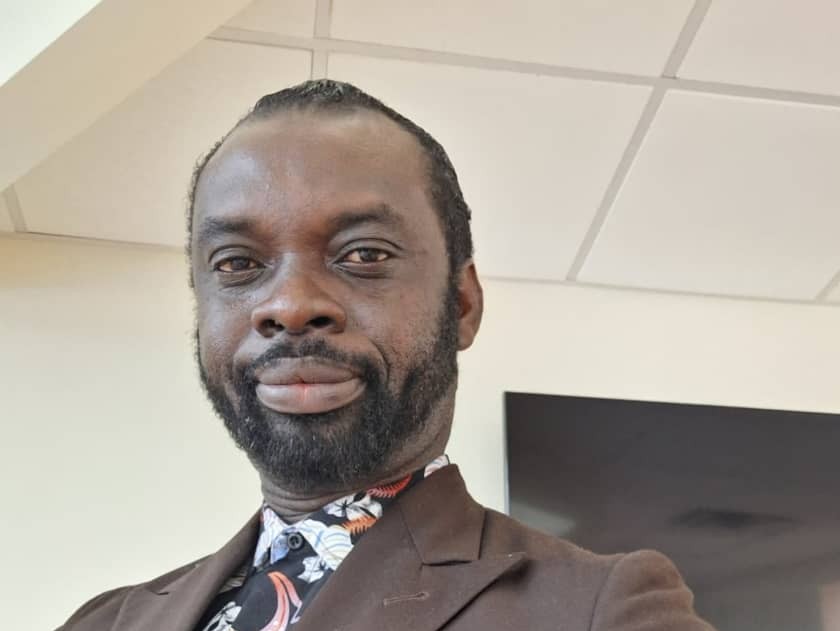
Technology and system analyst, Paul Akpabio, has stated that while lives, jobs, and businesses are increasingly depending on artificial intelligence (AI) innovations for efficiency, there should be checks and balances in their application to reduce the dangers associated with them.
The Nigerian United States-based AI and cybersecurity expert stated this through a communique to the press while speaking on his work on AI and how it is shaping lives and the future of work.
In the communique titled ‘Adoption and Hazards of Artificial Intelligence’, Akpabio noted that AI has emerged as one of the most transformative technologies of the 21st century, revolutionising industries and economies, and bringing immense potential for productivity, innovation, and societal advancement.
He spoke extensively on the merits of AI and related technologies, and how they are fostering innovations and disrupting businesses on a staggering scale. He added that such disruptions are needed for automation, efficiency, and sustenance of every facet of life and society.
Akpabio stated that in the coming years, the merits and demerits of AI technologies can be simultaneously seen in teams being smaller but more cross-functional; SMEs exporting services globally via AI-enabled localisation and compliance; healthcare seeing fewer backlogs due to ambient documentation and triage, freeing clinicians for human care; and education’s centre of gravity shifting to coached projects; employers and institutions investing in skills and job redesign.
He, however, added that AI is capable of introducing significant hazards — ethical, security, economic, and social — that require careful governance and oversight to manage.

The danger associated with AI, according to him, included ethical and bias concerns, privacy and surveillance issues, security risks, economic disruption, existential and long-term risks, governance and responsible adoption, among others.
“AI could widen inequality in certain areas and fields. Many parts of jobs may be automated,” he said.
To manage these demerits, he recommended investments in explainable AI (xAI), robust cybersecurity measures, human-in-the-loop decision systems, and continuous auditing of algorithms.
The technology expert stressed that the choice before governments, leaders, policymakers, academia, industry, and civil society organisations is to create an ecosystem where AI serves as a tool for societal good rather than a source of harm.

