 Follow Us on Google News
 Follow Us on Google Discover
In Nigeria, the sight of a child weaving through traffic to tap on a car window is a daily reality. This is not just a sign of poverty; it has become a structured industry where childhood innocence is treated as something to be sold. This trade is rooted in a fundamental human instinct: the desire to protect the vulnerable. Looking back at archival records from 1988, we see a child carrying a placard, acting as silent props in a performance of poverty. Decades later, the script remains the same, even as the economy grows more complex.
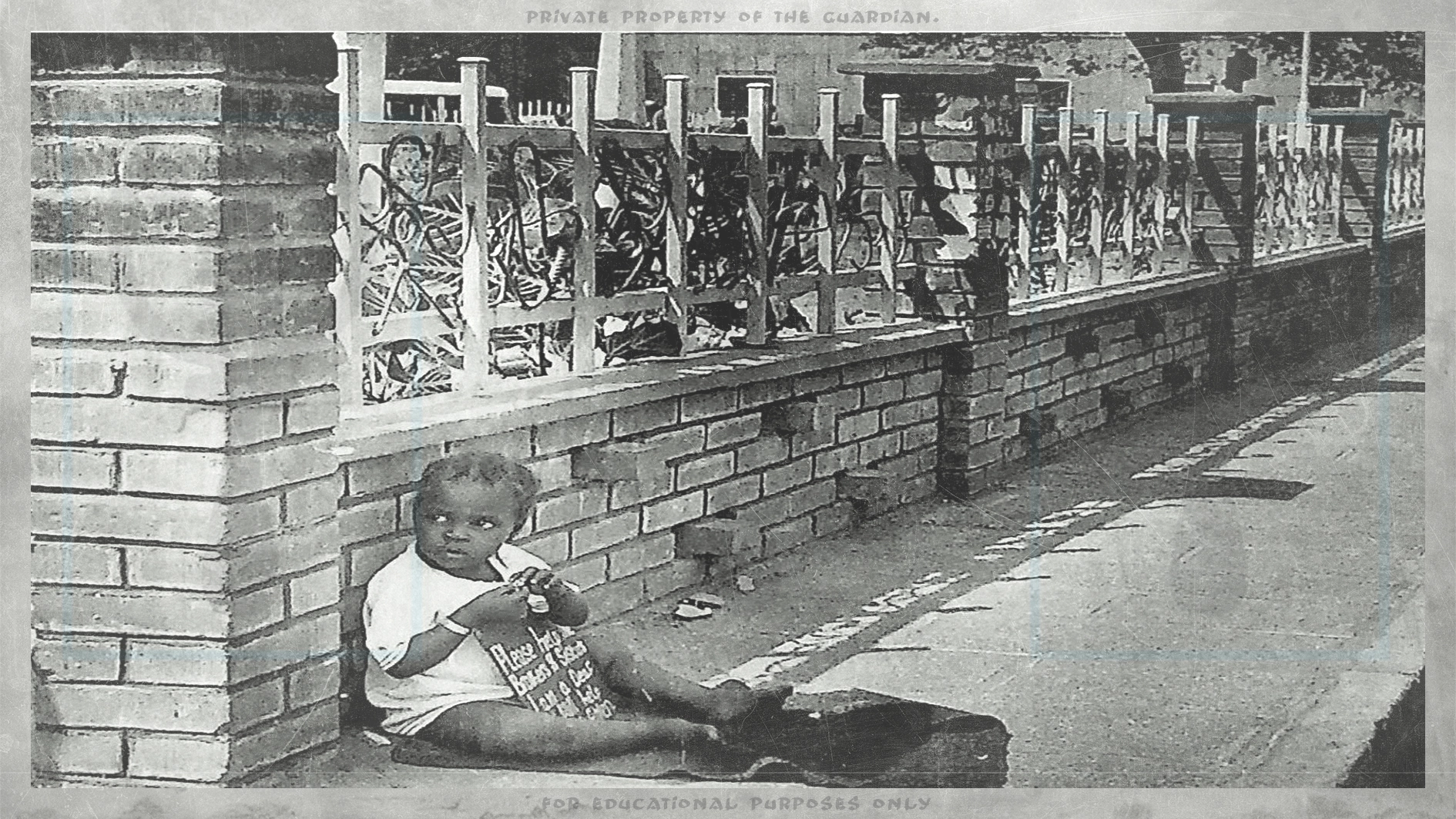
What began as an act of desperation has turned into a deep-rooted culture of exploitation, fuelled by a failing economy and a lack of support for the poor. As inflation rises and the gap between the rich and the poor grows, begging has become a primary way to survive for those at the very bottom. When a family cannot afford food or school fees, a child is often seen as a worker rather than a student.
Small children, often toddlers, are positioned in high-traffic areas under bridges or in the gridlock of the expressway to act as catalysts for emotional tax.
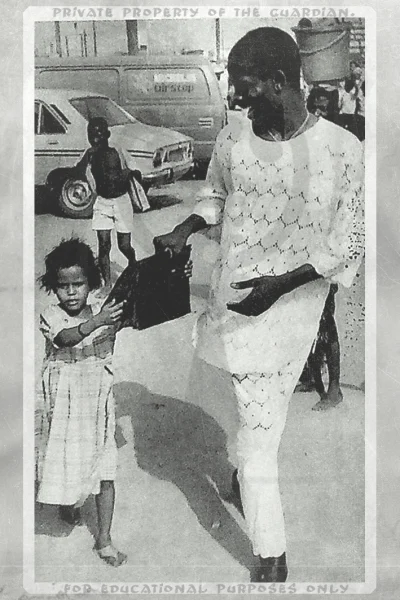
Experts argue that an adult beggar is often met with scepticism or judgment regarding their ability to work. However, a child is perceived as having no help, effectively bypassing the donor’s critical filter. This sympathy baiting ensures a higher chance of donations, turning the child into a high yield asset for the adult handler.
In many urban centres, this has evolved into an exploitative financial network. It is a known, though hidden, practice where infants are leased out to professional begging rings for a daily fee. The goal is to present a picture of desperate parenthood that compels commuters to reach for their wallets. Often, the adults are not far away; parents can be found sitting in the shadows of nearby shops or beneath flyovers, watching their children from a distance to ensure they are productive and to collect the cash as it comes in.
This culture has also merged with the rise of the agbero (street tout) system. Many young people on the streets have moved from passive begging to a more aggressive style of solicitation. They demand money for security or simply for passing through their territory. This mix of soft child begging and aggressive street harassment shows how deeply the “give my money” system has taken over.
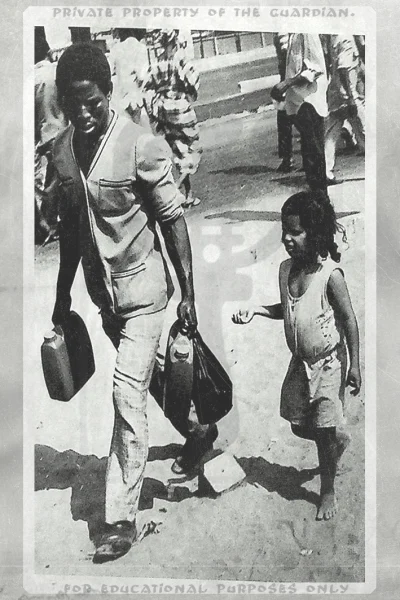
These children are deprived of formal education and exposed to harsh environmental toxins, all while being conditioned to view their very presence as a tool for financial gain.
Despite various child rights law enacted over the years, this pattern remains open for business. The persistence of this trend suggests that as long as there is an absence of a robust social safety, the streets will continue to claim the next generation. Until the state addresses the economic structures that make a child’s life a tradable item, the cycle will continue unbroken.
