 Get Guardian on Google
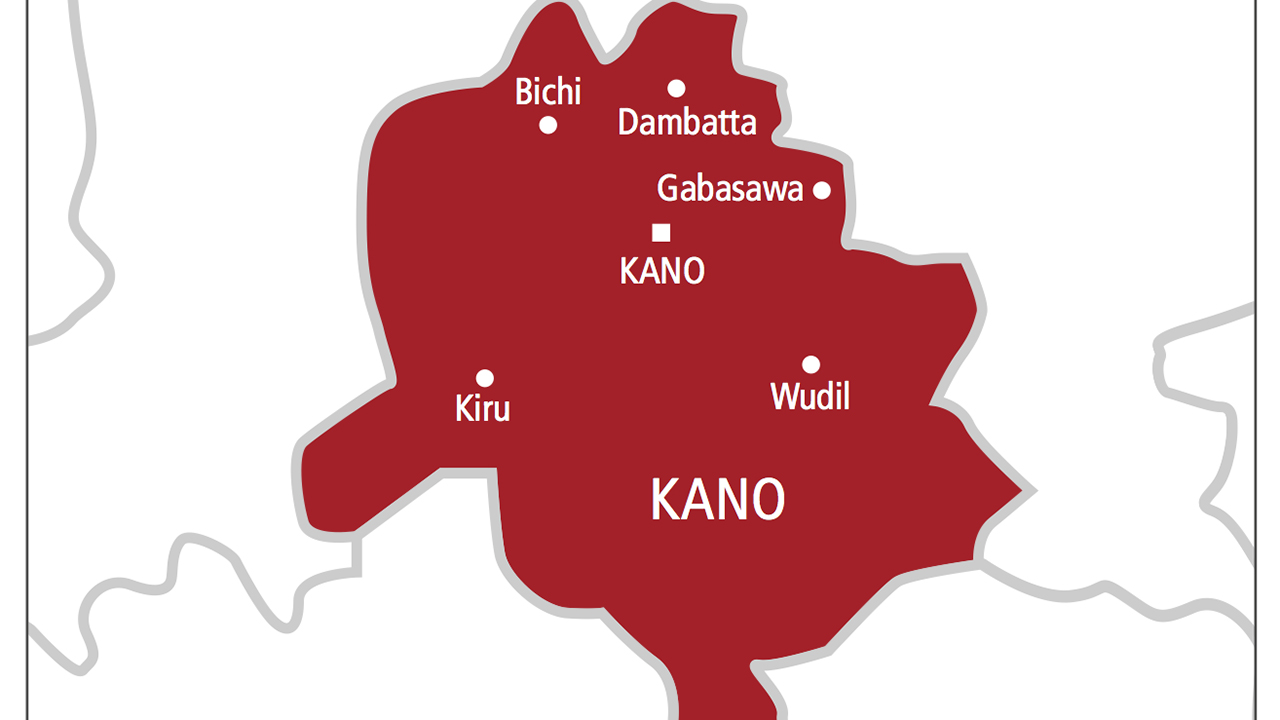
Despite sustained investments to boost girl-child enrollment and retention in Kano State, persistent challenges such as early marriage, poverty, and poor sanitation continue to undermine progress in the education sector.
Other major barriers, especially in rural communities, include insecurity, kidnapping, unsafe roads, and entrenched cultural beliefs that discourage girls from attending school.
These concerns dominated discussions at the opening of a two-day Kano Girls’ Education Summit organized by Bridge Connect Africa Initiative with support from the Malala Fund, in collaboration with the Kano State Government.
The event, themed “Investing in Her Future: Advancing Girls’ Education through Equitable Budgeting,” was held on Friday at Bayero University, Kano.
In a presentation, former Jigawa State Commissioner for Education, Hajiya Rabia Adamu Eshak, expressed worry over the closure of several girls’ boarding schools in Kano due to insecurity.
She commended the state government’s efforts to reopen them and urged the provision of adequate security around schools to encourage enrollment.
Another speaker, Professor Rabia Said, called for urgent intervention to improve sanitary facilities in rural schools and address cultural taboos that discourage male teachers from instructing female students.
She lamented that, despite the shortage of teachers, many parents in rural areas still forbid male teachers from teaching their daughters, further widening the gender gap in education.
The Commissioner for Education, Dr. Ali Haruna Makoda, reaffirmed the state government’s commitment to gender sensitivity in education and improving teaching and learning conditions across public schools.
He announced the declaration of a state of emergency in the education sector, an increase in the education budget to 31 percent, and enhanced funding for infrastructure as part of efforts to revitalize public education.
Dr. Makoda added that the government would strengthen partnerships with the Malala Fund and other development partners to accelerate reforms and promote equal access to quality education for girls.
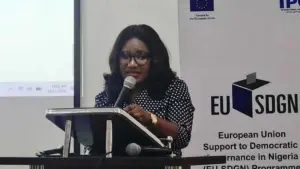
In a goodwill message, the Chief Executive of the Malala Fund in Nigeria, Nabila Aguele, commended the Kano State Government for its commitment to creating safe, inclusive, and equitable learning environments.
Represented by Sani Mohammed, Executive Director of Bridge Connect Africa Initiative, Aguele reiterated the Fund’s resolve to support policies that ensure every girl in Kano has the opportunity to complete her education and reach her full potential.
“Our shared objective is clear: to ensure that every girl in Kano has access to quality education, enabling her to learn, lead, and thrive. Education serves as the bedrock of development by propelling economic growth, building stronger communities, and fostering peaceful and equitable societies,” Aguele stated.
Mohammed noted that the summit aimed to promote inclusive, gender-responsive, and transformative education policies that prioritize investment in the girl-child and advance equitable budgeting in the education sector.