 Follow Us on Google News
 Follow Us on Google Discover
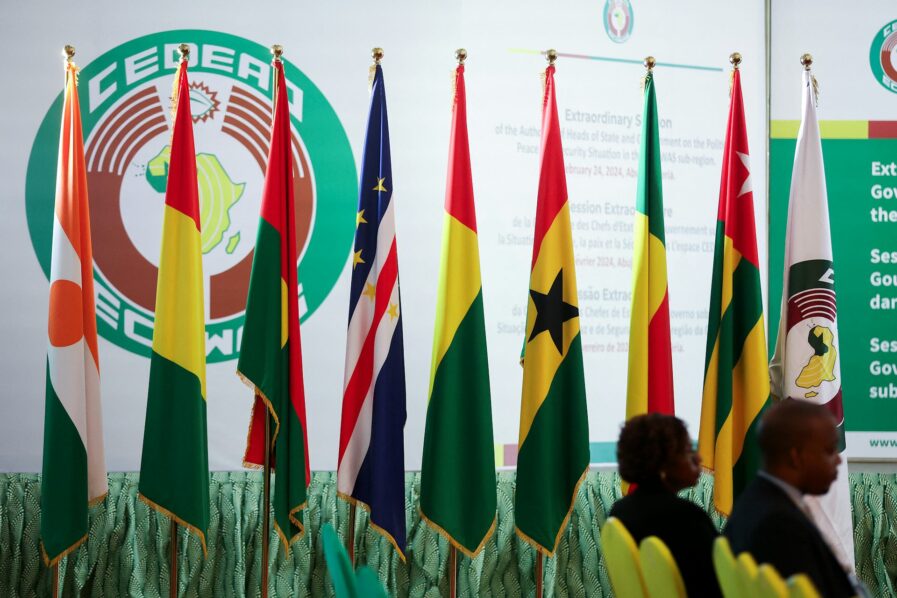
The Economic Community of West African States (ECOWAS) is a 15-member regional bloc established in 1975 to promote economic integration, political stability, and development across West Africa. Over the years, ECOWAS has emerged as a key player in addressing political crises, conflicts, and fostering regional integration. However, its credibility has come under scrutiny following the suspension of Mali, Niger, and Burkina Faso due to military coups.
[ad]
The recent coups in these three countries have highlighted the deep-rooted challenges facing ECOWAS, including governance deficits, rising insecurity, and economic hardships. The suspensions were meant to pressure the juntas into restoring civilian rule, but these governments remain resolute. The potential return of Mali, Niger, and Burkina Faso to ECOWAS after six months is uncertain, with significant implications for the bloc’s unity, stability, and future.
Potential return after six months: The return of Mali, Niger, and Burkina Faso to ECOWAS will depend on several factors, including their willingness to comply with the bloc’s democratic standards and ECOWAS’s ability to navigate the geopolitical complexities of the region.
Restoration of civilian rule in the three countries: One of ECOWAS’s core principles is the promotion of democracy and good governance. The bloc has consistently demanded clear timelines for transitions to civilian governments in the three countries:
Mali: The junta has committed to a transition period culminating in elections by 2024. However, delays and challenges in implementing this roadmap have raised doubts about its sincerity.
Niger: Following the coup in July 2023, ECOWAS imposed sanctions and threatened military intervention. The junta has shown little interest in reversing course, emphasising its autonomy and national sovereignty.
Burkina Faso: The military government has pledged to hold elections by 2024 but faces immense security and logistical challenges. If these countries fail to demonstrate tangible progress toward democratic governance, their return to ECOWAS within six months is unlikely.
Geopolitical realignment
[ad]
The growing alignment of Mali, Niger, and Burkina Faso with Russia and China complicates their reintegration into ECOWAS. These alliances, particularly through the Wagner Group in Mali and Burkina Faso, signal a shift away from traditional Western-backed structures like ECOWAS. Rejoining ECOWAS may require the juntas to renegotiate or rethink their geopolitical strategies, a prospect that seems improbable given their current trajectories.
ECOWAS has been actively engaging with the military governments through diplomatic efforts. Countries like Nigeria, Ghana, and Senegal have taken leadership roles in these mediations. However, the success of such efforts depends on mutual concessions, which have so far been elusive. The six-month timeframe might be overly optimistic, given the entrenched positions of both sides.
Domestic dynamics
Public sentiment in Mali, Niger, and Burkina Faso largely supports the military regimes, which have positioned themselves as defenders against external interference and corruption. The juntas may prioritise consolidating domestic support over meeting ECOWAS’s demands, making their return contingent on shifts in internal political dynamics.
Impact of the departure of Mali, Niger, and Burkina Faso from ECOWAS
The exit of these three countries has far-reaching implications for ECOWAS, affecting its credibility, economic prospects, and regional security. Loss of Credibility: ECOWAS’s suspension of the three countries underscores its commitment to upholding democratic norms. However, its inability to force compliance exposes its limited leverage over member states. Erosion of Authority: The emergence of a “coup belt” in the Sahel undermines ECOWAS’s authority as a guarantor of democracy.
Other countries with fragile democracies might be emboldened to follow similar paths. Sanctions imposed by ECOWAS have had limited impact, as the juntas have sought alternative alliances and trade routes to circumvent economic pressures.
[ad]
Economic disruption
The exclusion of Mali, Niger, and Burkina Faso from ECOWAS has disrupted regional trade and economic integration efforts. Key Resources: Niger’s uranium reserves are critical for global and regional markets, while Mali and Burkina Faso are major producers of gold and agricultural commodities. Their isolation hampers ECOWAS’s economic objectives. Trade Barriers: As landlocked countries, they rely heavily on ECOWAS states for access to ports and markets. Their departure creates logistical challenges and reduces trade volumes within the bloc. Impact on Regional Currency Plans: The suspension of these countries complicates plans for a common ECOWAS currency, delaying broader economic integration.
Security concerns
The Sahel region, encompassing Mali, Niger, and Burkina Faso, is the epicenter of a growing jihadist insurgency. The absence of these countries from ECOWAS weakens coordinated responses to security threats. Rise of Terrorism: Jihadist groups have exploited political instability to expand their operations, threatening neighbouring states. Shift in Security Alliances: The reliance of Mali and Burkina Faso on the Wagner Group highlights the fragmented approach to regional security. ECOWAS risks losing its relevance as a security actor in the Sahel.
Political polarisation
The suspension of Mali, Niger, and Burkina Faso has created divisions within ECOWAS. Divergent Approaches: Member states like Nigeria and Senegal advocate for strict enforcement of democratic norms, while others like Guinea and Cape Verde have called for more lenient approaches. Risk of Fragmentation: If ECOWAS cannot resolve these differences, it risks alienating member states and weakening its cohesion.
Weakened regional integration
ECOWAS was founded on the principles of collective economic growth and integration. The suspension of three member states represents a significant setback. Reduced Bargaining Power: A smaller ECOWAS diminishes the bloc’s influence in negotiations with external partners, including the African Union and the European Union. Threat to Long-term Goals: Projects like the ECOWAS free trade area and cross-border infrastructure are jeopardised by the exclusion of Mali, Niger, and Burkina Faso.
[ad]
Broader implications
The prolonged exclusion of Mali, Niger, and Burkina Faso could lead to the formation of an alternative bloc outside ECOWAS. These countries have already deepened their cooperation, forming alliances based on shared ideologies and security challenges. Emergence of a Parallel Bloc: The three countries, along with Guinea, have expressed interest in creating a Sahel-based alliance. This bloc could align with non-Western powers, challenging ECOWAS’s dominance in West Africa. Impact on Regional Stability: A divided West Africa risks becoming a theater for geopolitical rivalries between Western powers, Russia, and China. This polarisation could exacerbate conflicts and undermine development efforts.
Implications for democracy in Africa
The normalisation of military regimes in Mali, Niger, and Burkina Faso sets a concerning precedent for the rest of the continent. If ECOWAS fails to enforce democratic norms, it could trigger a wave of coups across Africa. The return of Mali, Niger, and Burkina Faso to ECOWAS is critical for the bloc’s stability and relevance. However, achieving this goal requires addressing the root causes of the political crises in these countries, including governance deficits, insecurity, and economic challenges.
ECOWAS must strike a balance between enforcing its principles and accommodating the realities of the Sahel region. Without a resolution, ECOWAS risks fragmentation, weakening its ability to tackle regional challenges. The coming months will be crucial in determining whether the bloc can restore its authority and unity or whether it will face further erosion of its influence in West Africa.
Udenka is a social and political analyst.
[ad]

