 Follow Us on Google News


 Follow Us on Google Discover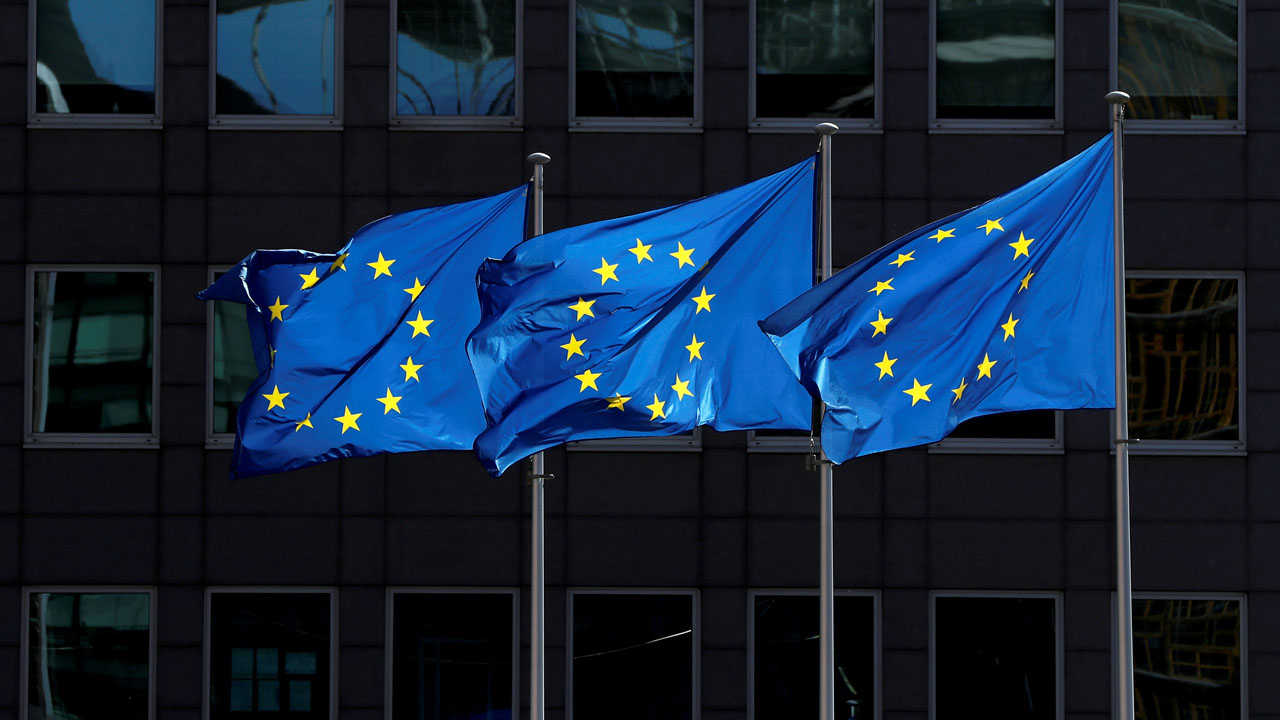

The European Union Support to Democratic Governance in Nigeria (EU-SDGN) programme has unveiled a toolkit designed to support community radio professionals in Nigeria.
This resource aims to promote fair, accurate, ethical, and inclusive reporting of electoral issues nationwide, ultimately contributing to a more informed citizenry and strengthened democratic institutions.
The toolkit, “Doing Civic and Voter Education: A Toolkit for Community Radio Professionals in Nigeria,” has a broader goal: to equip community radio stations to connect with marginalized communities, including women, youth, Internally Displaced Persons (IDPs), and Persons with Disabilities (PWDs).
Furthermore, the EU-SDGN programme fosters inclusive voter education, provides strategies for countering misinformation and hate speech, and ensures that all members of society, especially marginalized groups, have a voice in the democratic process.
Through this initiative, the EU supports media literacy and provides fact-checking tools, helping Nigerians distinguish reliable information and thereby enhancing democratic engagement.
Speaking about the toolkit, particularly how it improves the capacity of the growing community of radio professionals across the country, Executive Director of the Centre for Media and Society (CEMESO), Akin Akingbulu, said, “Community radio, in particular, has developed in large numbers and is now seen as a significant component of broadcasting plurality in Nigeria.

READ ALSO: EU to retaliate over tariffs imposed by the US
“A key feature of the toolkit is that it stresses the importance of combating misinformation, disinformation, and hate speech—issues that can seriously undermine the electoral process. The toolkit offers practical guidance on fact-checking, promoting digital literacy, and encouraging dialogue with communities to address harmful content.”
Noting that the toolkit strengthens the quality and inclusivity of civic education in Nigeria, Akingbulu added, “The toolkit not only equips journalists to produce accurate, unbiased content but also reinforces the crucial role of the media in shaping an informed electorate.
Through this project, the EU is helping to build a more inclusive society where citizens can actively participate in the democratic process.
“As Nigeria prepares for its next elections, the toolkit is expected to have a lasting impact, encouraging informed, responsible, and inclusive participation. This will help strengthen Nigeria’s democratic values and foster an engaged electorate.
“The toolkit is part of a collective effort to ensure that no citizen is left uninformed or excluded from the electoral process. Ultimately, it serves as a powerful reminder of the essential role the media plays in shaping Nigeria’s democratic future.”

