 Follow Us on Google News



 Follow Us on Google Discover
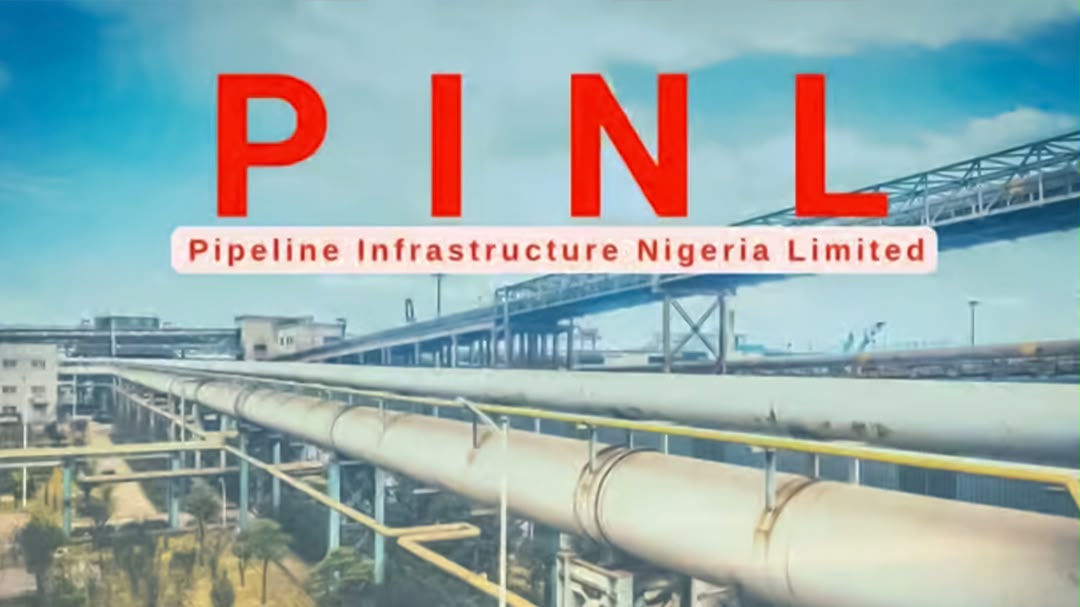
Kevin Anugwo, the traditional ruler of Ekpeye in Ahoada East Local Government Area of Rivers State, said crude oil pollution made fishing difficult in his community before Pipeline Infrastructure Nigeria Limited (PINL) began securing the Trans Niger Pipeline (TNP). He spoke at a stakeholders’ meeting in Port Harcourt earlier this month.
“Before you came on board, we were unable to fish in our waters because the crude oil had taken over the place,” he said.
Anugwo, who is the Eze Ekpeye Logbo, said crude oil theft had also disrupted farming in Ekpeye communities for years. He said residents have, however, returned to their farms and fishing waters since the theft was curbed.
PINL recognised that no one could secure a pipeline running through 215 host communities without the cooperation of the people who live along it. The company has employed more than 35,000 youths in its surveillance operations and paid out over N2bn in scholarships to more than 1,500 students.
It also meets regularly with traditional rulers, youth groups and women leaders to strengthen its partnership with the communities.
During the Port Harcourt stakeholders meeting, which is part of PINL’s bimonthly engagement with communities hosting the TNP, Akpos Mezeh, the company’s General Manager, Community and Government Relations, said cooperation among the company, host communities and other stakeholders is necessary to meet Nigeria’s oil and gas production targets for 2027 and 2030.

2030 Target
The Nigerian National Petroleum Company Limited (NNPC Ltd) is targeting crude oil production of 2 million barrels per day by 2027 and 3 million by 2030. It also aims to produce 12 billion standard cubic feet of gas daily by 2030.
The TNP carries crude from the eastern Niger Delta to the Bonny Terminal for export.
The Nigerian Upstream Petroleum Regulatory Commission (NUPRC) reported crude oil and condensate output of 1.717 million barrels per day in September 2026. Output reached 1.84 million barrels on its peak day.
At the September average, Nigeria must add about 1.28 million barrels per day to reach the 2030 target.
The Nigeria Extractive Industries Transparency Initiative (NEITI) said at an energy correspondents’ conference in 2025 that Nigeria lost 13.5 million barrels to oil theft and pipeline sabotage between 2023 and 2024.
NUPRC data show national crude theft fell from more than 102,000 barrels per day in 2021 to 9,600 barrels per day as of September 2025. The figures cover pipelines across the country. PINL began work on the eastern corridor in August 2022.
PINL’s Community Programmes
PINL’s mandate covers Bayelsa, Rivers, Imo and Abia states, including the TNP and the Eastern Gas Network.
Mezeh said the company holds regular engagements across these states to bring together traditional rulers, youth groups, community development committees and women leaders.
“More than 2,000 women have benefited from our empowerment initiatives along the Trans-Niger Pipeline corridor,” he said.
He also said PINL runs an annual Christmas programme that distributes food and relief items and provides medical outreach in all 215 communities.
“This is why pipeline protection cannot be treated as the responsibility of PINL or security agencies alone,” Mezeh said.
NNPC’s daily reviews showed that the pipelines within PINL’s area of operation were running green, Omojevwhe Akponime, Head of Field Operations, Eastern Corridor, at the NNPC Project Monitoring Office, had said.
According to PINL, only about 3 per cent of the crude pumped into the TNP reached Bonny Terminal when it began operations. By September 2026, the delivery rate had risen to 98 per cent. The House of Representatives Committee on Host Communities recently dismissed a petition against the company and recommended an extension of its surveillance contract, citing a report that about 97 out of every 100 barrels pumped into the pipeline were lost before the firm’s engagement.
Participants at the Port Harcourt stakeholders meeting had also expressed satisfaction with PINL’s operations and urged the Federal Government to sustain and expand its contract.
Onyekachi Amaonwu, the Eze Eberi-Ugo Omuma, said the pipelines needed to meet Nigeria’s production targets pass through host communities. He called on monarchs and community leaders to work with the company. Legborsi Yamaabana, spokesperson for the Niger Delta Ethnic Youth Leaders Forum, thanked the Federal Government for renewing PINL’s contract.
“As Niger Delta people, we have adopted PINL as our own,” he said. He added that dissenting voices would not change the region’s position.
The Petroleum Industry Act 2021 requires upstream petroleum operators to contribute 3 per cent of their actual annual operating expenditure for the preceding financial year to Host Communities Development Trusts. Lawmakers have previously investigated allegations that some oil companies failed to remit the funds.
At the meeting, PINL cautioned against allowing “unverified figures or allegations” to create mistrust among communities, traditional institutions, government agencies, contractors and companies.
“What we need is facts, dialogue, transparency and accountability,” said the company’s General Manager, Community and Government Relations.
The statutory contributions are separate from the scholarships, employment and empowerment programmes that PINL runs.

