 Follow Us on Google News
 Follow Us on Google Discover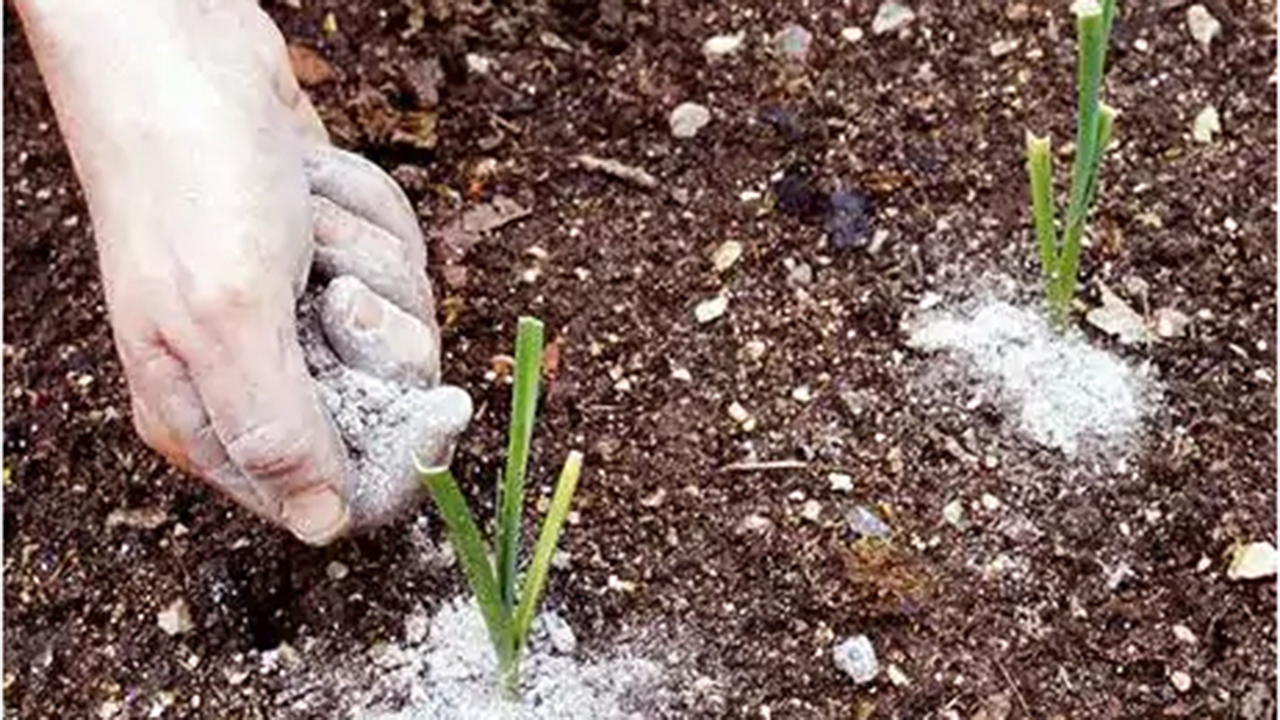
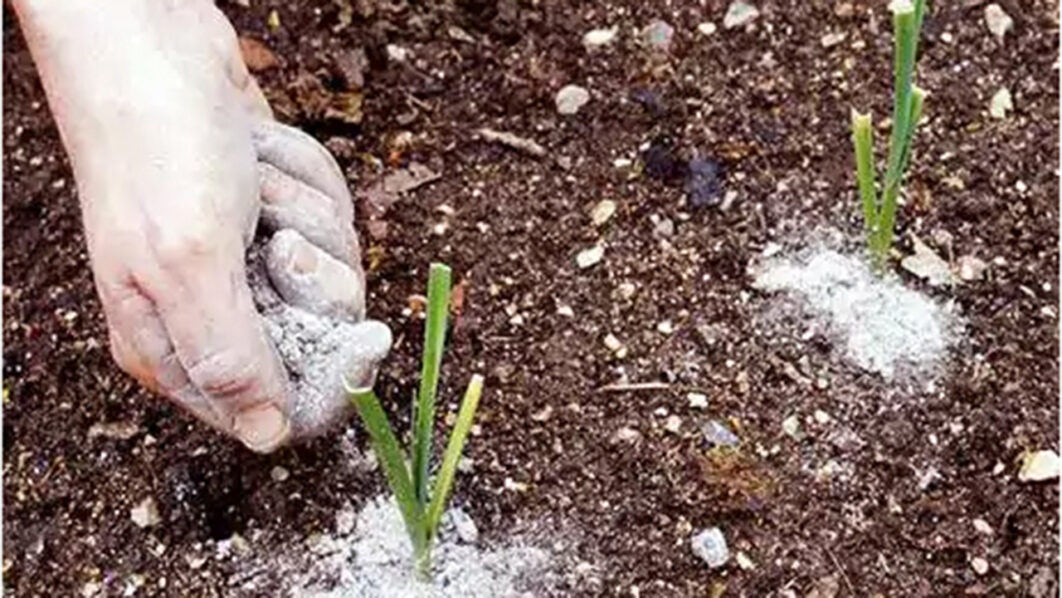
For all crops farmers, especially those into vegetable cultivation, there is a dose of good news: incorporation of wood ashes during cultivationto enhance productivity.
[ad]
Though considered as a traditional method often practiced in the past, its adoption has shown promises with testimonies from farmers, who see it as good alternatives to use of synthetic fertilisers.
Research shows that wood ash has been in use for centuries in farming, particularly in traditional and organic agricultural practices. In the past, wood ash was used to fertilise crops and improve soil fertility.
In African traditional agriculture, it was used to improve soil fertility and crop yields. It is considered as a viable resource for farmers throughout history, providing a natural and sustainable way to improve soil fertility and crop yields.
A farmer, Umoh Otoabasi, who confirmed the efficacy of its usage, said: “Ashes have helped to boost my plant, especially when I apply it moderately, just a little quantity.
“Sometimes, I will apply it to the spoil and it helps to fight insects that attack plants at the early state, most especially okro, corn and pumpkin leaf. It pursues those insects that causes stunted growth of plants.”
The Guardian learnt that ashes can serve as natural fertiliser, as it contains essential nutrients like potassium, calcium, magnesium, and phosphorus, which promote healthy plant growth. It can also enrich the soil without the need for chemical fertilisers.

Like alkaline in nature, ashes help in pH regulation, by making it an excellent option for neutralising acidic soils. This helps create a more favorable environment for crops that prefer neutral or slightly alkaline conditions.
It was also learnt that wood ashes aid pest control, as it can act as a natural pest deterrent. When sprinkled around plants, it can help repel certain insects and pests, protecting crops from damage. It also improves soil structure, by aiding soil aeration and drainage, particularly in clay-heavy soils.
[ad]
This creates better conditions for root growth and water retention. Wood ashes are also good as waste utilisation, in the sense that recycling ash from fireplaces or wood-burning stoves reduces waste and makes use of a resource that would otherwise go unused.
While talking about its application, Otoabasi said: “I usually sprinkle little amount on my pepper and it makes them fruit effectively and healthy.I also apply the wood ashes to water leaves, it boosts the crop and makes it to grow rapidly, but it is essential that little amount of it is used.
“Too much of ashes will kill the plant, but I have never tried it on tomatoes since the tomatoes are still healthy due to the organic manure I added to them.”
Another farmer, Mr. KazeemIdowu, said wood ash assists crops to thrive and improve both the quality of the vegetables. “Just mix the wood ash with some water to create an effective rooting solution. This mixture will not only promote roots development, but also boost seedling vitality, helping the crops develop strong roots and achieve high yields naturally.”
While adding that the recipe is ideal for both vegetables and fruit trees and can be easily prepared at home, he however, warned that in some instances, a farmer may need to conduct soil testing before using wood ash, to test the soil pH and nutrient levels to avoid over-fertilisation. Idowu added that there is always need to ensure that the ashes are applied at recommended rates to avoid soil contamination or burning the plants.
[ad]

