 Follow Us on Google News
 Follow Us on Google Discover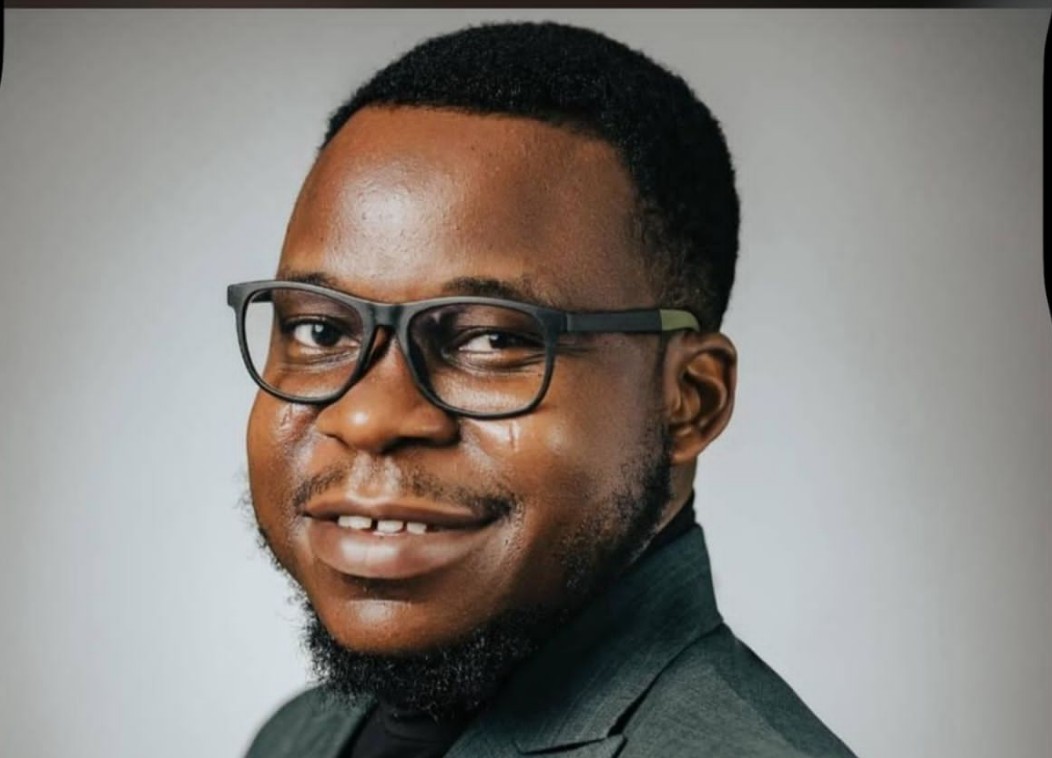
As Africa’s energy sector enters a defining era, energy professionals like Olujimi Kayode-Sote are helping shift focus from exploration to reinvention. Across Africa, over 70 per cent of oil production comes from mature fields, many of them underperforming due to decades of underinvestment. In Nigeria alone, production remains at around 1.5 million barrels per day, far below potential, as international oil companies continue divesting onshore assets and local operators face the burden of revitalisation.
For Kayode-Sote, a seasoned engineer, strategist, and program leader, smart brownfield redevelopment is not just an operational necessity. It is a national opportunity and, potentially, a continental lever for energy transformation. This is not just a regional shift—it mirrors a global reality. In mature basins around the world, over 60 per cent of upstream capital expenditure now goes into brownfield redevelopment, reflecting a pivot from frontier drilling toward value optimisation.
“We need to stop seeing mature fields as problems and start seeing them as platforms,” says Kayode-Sote. “Brownfields hold stories of past production, but they also carry the potential to write new ones—stories that are smarter, cleaner, and more inclusive.”
Kayode-Sote’s career, which spans over 16 years in well interventions, mature asset revitalisation, and cross-functional program management, is rooted in a deep understanding of both the field and strategic coordination. He combines hands-on technical knowledge with systems thinking, commercial strategy, and a clear-eyed view of Africa’s future in energy. It is this multifaceted lens that fuels his advocacy for a smarter approach to brownfield redevelopment, one that embraces data, innovation, and local empowerment.
In his own words, “The energy future for Africa won’t be unlocked by just drilling deeper. It will come from how we rethink what’s already beneath our feet, and how we align policy, process, and people to bring that potential to life.”
Kayode-Sote is not speaking theoretically. He recalls a project where his team revived three long-abandoned wells that had undergone repeated interventions without success. Recognising that each well posed a unique challenge, his team adopted a diagnostics-first approach by designing tailored solutions informed by reservoir analysis and grounded in field operations. The result was not only a production rebound but also a reawakening of what is possible when strategy meets technical discipline.
Central to Kayode-Sote’s vision is the use of intelligent systems. He believes that the integration of digital tools such as real-time monitoring, AI-powered diagnostics, and predictive analytics can transform how assets are managed across the continent. These technologies reduce costs and downtime, and they shift operations from reactive to proactive by enabling teams to anticipate issues and act before problems escalate.
Of course, brownfield success does not come without hurdles, from funding constraints to infrastructure sabotage. But Kayode-Sote believes these are not reasons to abandon mature fields; they are reasons to reimagine how we develop them—smarter, safer, and more sustainably.
But for Kayode-Sote, technology is only one part of the equation.
“We can’t automate our way into sustainability,” he notes. “It’s about people. The real advantage lies in growing our local talent—technicians, analysts, project leads—who understand the terrain and are invested in delivering value for the long haul.”
This emphasis on people, strategy, and purpose is evident throughout Kayode-Sote’s work. A graduate of the University of Lagos with a degree in Chemical Engineering, and a master’s degree holder from IFP School in collaboration with the Institute of Petroleum and Energy Studies in Nigeria, he has contributed technical papers to the Society of Petroleum Engineers (SPE) and serves as a peer reviewer for global scientific journals like the Institute of Physics (IOP). His thought leadership is matched by a strong commitment to mentoring the next generation of engineers and translating complex technical goals into real-world progress.
“What excites me is not just delivering successful field executions,” he says. “It is watching young engineers step into leadership. It is seeing communities benefit from smarter energy systems. It is knowing that this work creates ripple effects beyond the rig site.”
As the global oil and gas sector navigates decarbonization, volatility, and digital transformation, Kayode-Sote sees brownfield redevelopment as a bridge between tradition and innovation. He is particularly interested in circular energy models, such as flare gas utilisation and hybrid microgrids, which convert waste streams into revenue streams while reducing emissions.
“We’re not just fixing old fields,” he says. “We’re redesigning them to serve more people, more sustainably. That’s the kind of energy future Africa deserves.”
In Nigeria, for instance, as international oil companies continue divesting their onshore assets across West Africa and local firms rise to take ownership, the moment for a mindset shift has arrived. According to industry analysts and public disclosures, between 2010 and 2023, more than 26 onshore and shallow water blocks changed hands as part of this divestment wave, transferring operational responsibility and pressure to perform to indigenous operators. Kayode-Sote believes Africa’s energy future will not only be shaped by chasing discoveries but by reimagining existing resources with sharper thinking, deeper local ownership, and a long-term view.
“The work we do today will shape the energy legacy we leave behind,” he concludes. “If we get brownfield redevelopment right, we will not just unlock more production. We will grow capacity, build trust, and deliver lasting value across the continent.”

