 Follow Us on Google News
 Follow Us on Google Discover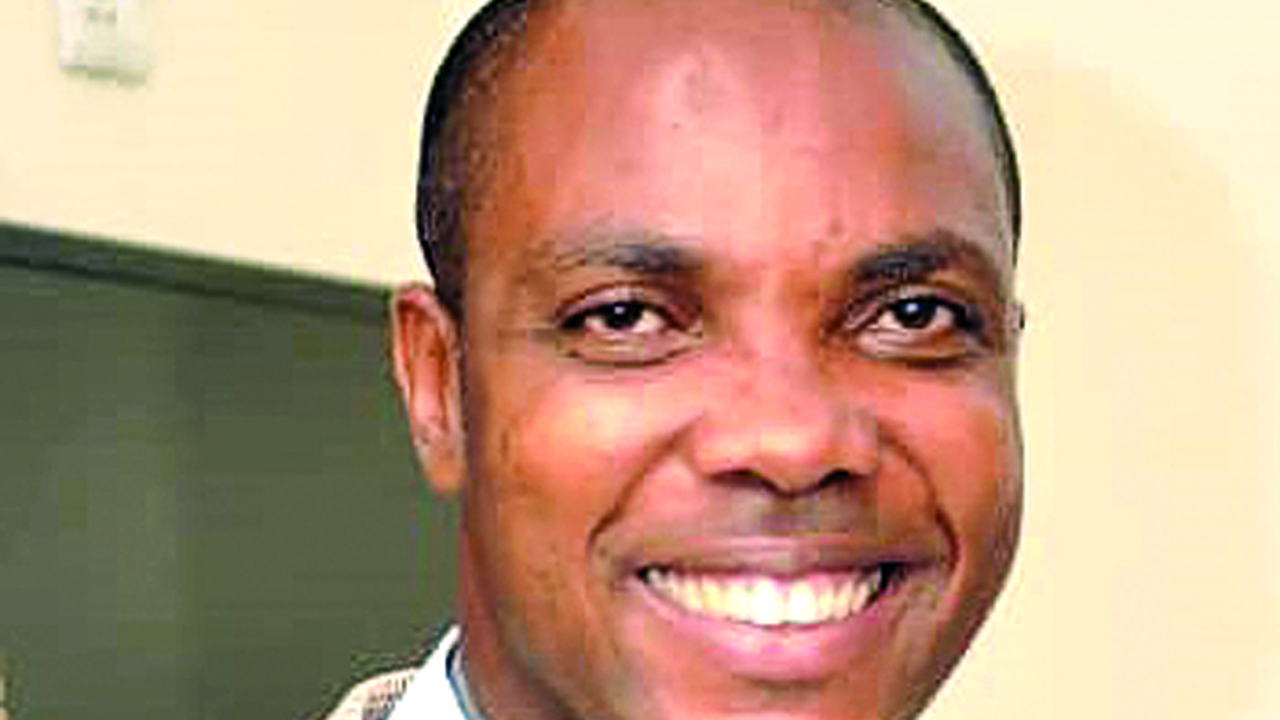
The Lord Jesus in John 14:23 said: “If anyone loves me, he will keep My word; and my Father will love him, and we will come to him and make our home with him.” You know; God’s presence is relational and spiritual, available to those who surrender the flesh.
In Colossians 3:1–3 the apostle lays a strong ground to achieve intimacy with the trinity: “Set your hearts on things above, not on things on the earth. For you died, and your life is now hidden with Christ in God.”
Ceasing to live by the flesh is a form of spiritual death that leads to deeper union with Christ. “I have been crucified with Christ and I no longer live, but Christ lives in me,” Galatians 2:20.
Beloved, this echoes the idea of disappearing from the flesh’s control—Paul sees his bodily life as surrendered to Christ’s indwelling. In Romans 6:6: “Our old self was crucified with him so that the body ruled by sin might be done away with.” Therefore, to be “absent from the body” in this sense is to no longer be a tool of sin. Being “absent from the Lord” can also refer to a state of spiritual disconnection or being controlled by fleshly desires. Being “present in the body” doesn’t just refer to physical existence but also implies being driven by worldly or fleshly motivations. Conversely, being “absent from the Lord” describes a state where one’s life isn’t guided by a deep, spiritual connection with God.
This resonates with other biblical themes, such as:
• Living “according to the flesh” vs. “according to the Spirit,” (Romans 8:5-9).
• Being “controlled by the sinful nature” vs. “controlled by the Spirit,” (Romans 8:9).
• Walking “by faith, not by sight,” (2 Corinthians 5:7).
This perspective encourages believers to reflect on their daily lives, asking:
• Are we living by the dictates of our fleshly nature or by the guidance of the Spirit?
• Are we prioritising spiritual growth and connection with God, or are we more focused on worldly concerns?
• How can we cultivate a deeper, spirit-led life, effectively being “present with the Lord” even while still “in the body?”
May I, invite you to a deeper walk with God; most people desire to work faith rather than walk faith; In Romans 10:17: “faith comes by hearing” — hearing, reading and studying God’s word builds faith. When faith is built, it should be channelled into daily relationship with God. Before you work faith, you must walk faith. Walking is intentionally taking one step forward towards a direction or goal; when walk, which must be focused towards a direction involves faith, it is connected to Divinity. Before anyone can effectively work faith, they must master how to walk faith through intimacy with the Father, Son and Holy Spirit. I pray that our life through the knowledge of God’s word will reflect living a spirit-driven life, even in our everyday, bodily existence.
• Venerable Stephen Wolemonwu is the Rector, Ibru Ecumenical Centre, Agbarha-Otor, Delta State (08035413812)


