 Follow Us on Google News
 Follow Us on Google Discover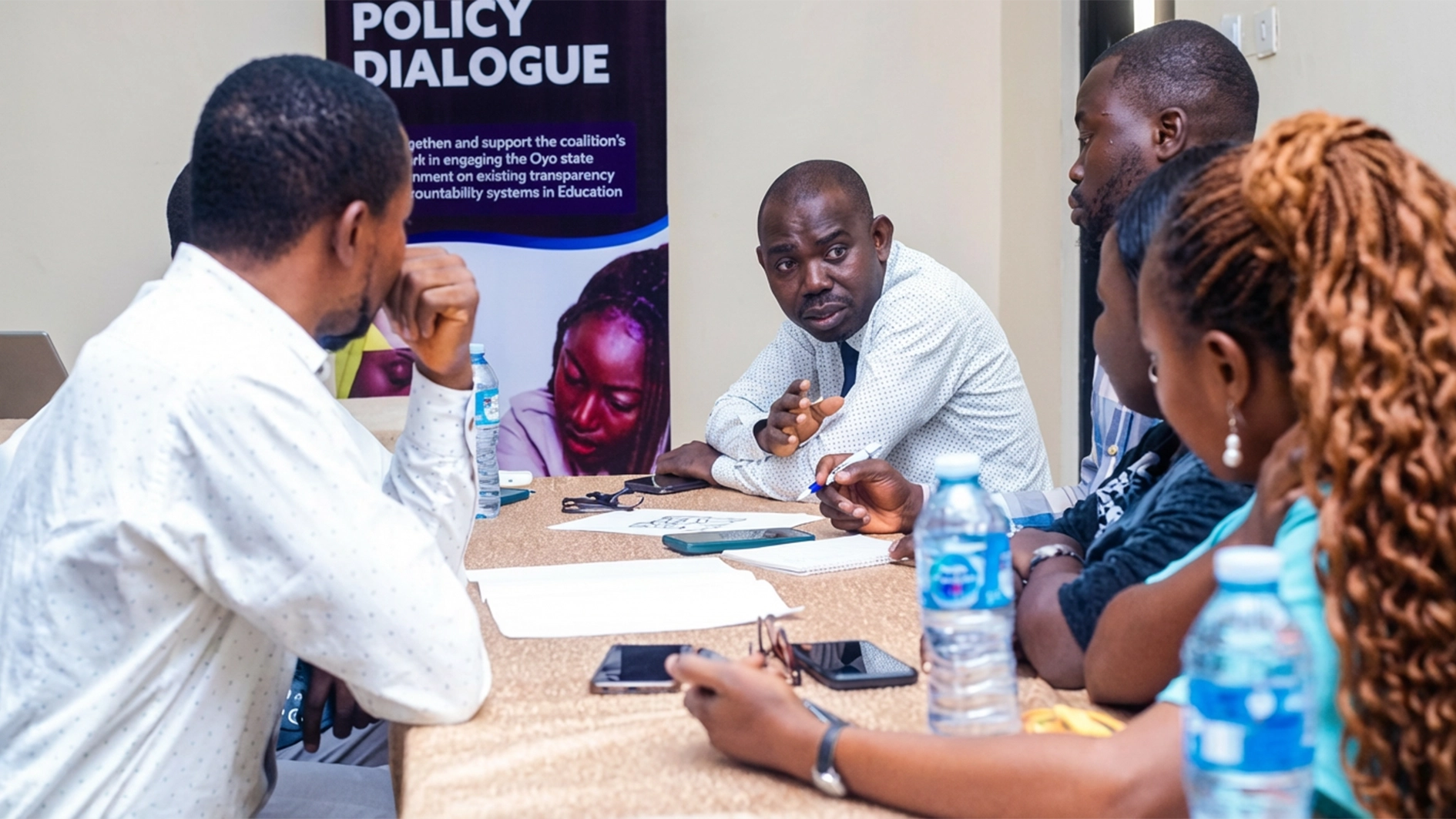
Civil society organisations, education experts and government representatives, have renewed the call for deeper transparency and accountability in Oyo State’s education system.
They made the call during the Bi-Annual Policy Dialogue organised by YouthHub Africa, which was held at Adibs Hotel, Bodija, the Oyo State capital.
The event brought together budget analysts, gender advocates, school governance experts and community-based organisations to assess the state of education accountability, identify existing gaps and strengthen citizen-led oversight across schools and education agencies.
In her remarks, the Programme Officer for Education and Girl-Child Literacy at YouthHub Africa, Doowuese Indyer, said the event was convened to foster closer collaboration between citizens and education authorities.
According to her, no education system can achieve meaningful progress without transparency in planning, budgeting and project implementation. She noted that strengthening trust between the government and the public remains fundamental to improving learning outcomes.
Representing YouthHub Africa’s Executive Director, Rotimi Olawale, the organisation’s Communication Manager, Nwaiwu Elizabeth, reiterated the group’s commitment to promoting openness across the sector.

She explained that sustained citizen participation is vital to ensuring that public investments translate into measurable improvements in schools, especially regarding infrastructure, teacher support and learning materials.
A major highlight of the dialogue was the expert presentations designed to deepen participants’ understanding of governance gaps within the education sector.
Joseph Amenaghawon from Budgit delivered a virtual presentation examining the structure of education budgeting in Oyo State.
Amenaghawon highlighted areas where improved public oversight could significantly reduce leakages and enhance value for money.
This was followed by an in-person session by YouthHub Africa’s Programme Officer for Governance, Peter Ogah, who spoke on strengthening transparency through community participation. Ogah drew from real-life case studies to illustrate the consequences of weak accountability systems and the transformational impact of active citizen engagement.
Participants later broke into thematic groups to deliberate on practical steps for improving grassroots-level transparency. Discussions focused on community-led monitoring of education projects, strengthening collaboration among civil society groups and increasing public access to budget information.
The breakout sessions produced several actionable recommendations, including simplified communication of project details, wider dissemination of budget documents and improved coordination among stakeholders.
Speaking with journalists at the event, a legal practitioner and Executive Director of Saving Faces and Justice Point Foundation, Mrs Oluwaseun Folajuwon-Banjo, who also serves as the Oyo State Education Coordinator, said the dialogue remains crucial for ensuring accountability in gender-responsive education initiatives.
She stressed that school projects must be properly documented, easily identifiable and accessible to the public, especially for communities seeking to track implementation.
Also speaking, the Programme Manager for Getting Girls Equal under AREA 1, Ms Ifeoluwa Adewole, said the engagement was designed to further empower coalition members working to strengthen citizen participation in education budgeting.
According to her, broad-based involvement is essential to sustaining reforms that benefit girls, marginalised children and vulnerable communities.
The participants presented detailed action plans to YouthHub Africa’s leadership, outlining strategies to advance transparency and accountability across Oyo State’s education system.
These plans emphasised increased community participation, stronger coalition efforts and sustained civic advocacy as key drivers of improved governance in the sector.

