 Follow Us on Google News


 Follow Us on Google Discover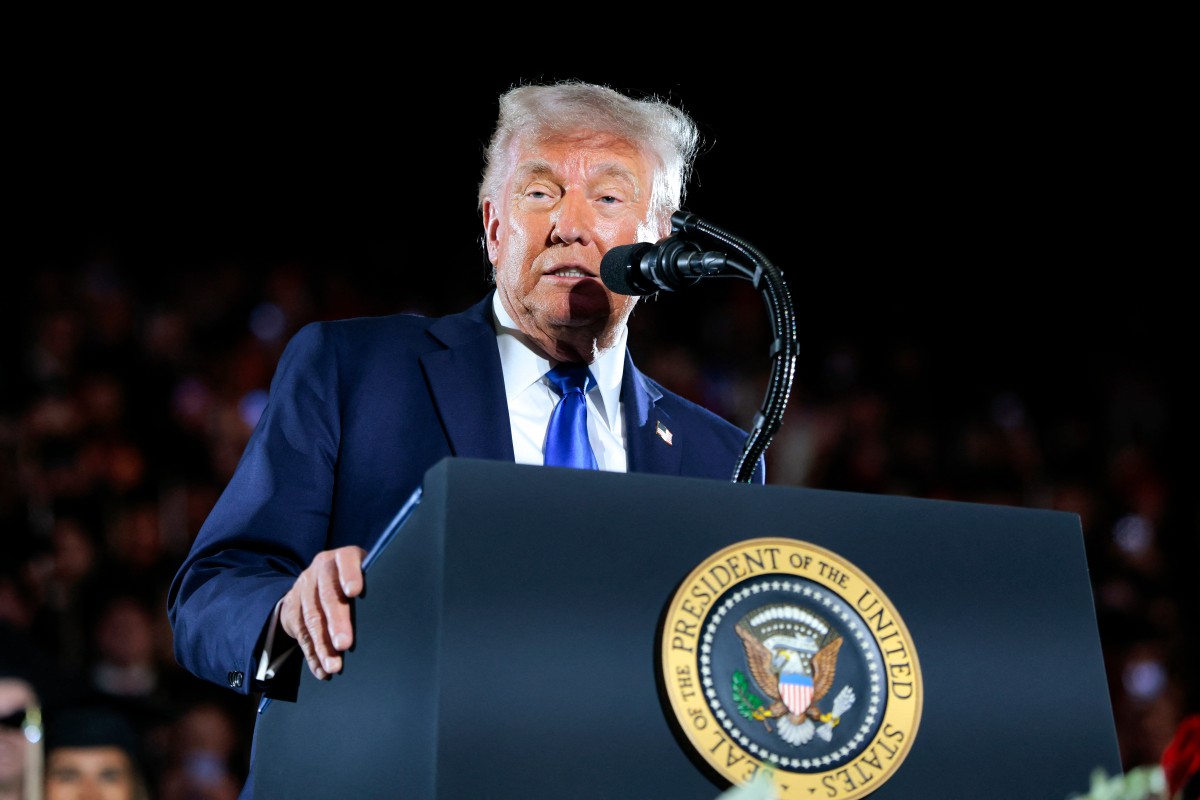
The United States Coast Guard, working with the U.S. Navy, has seized a Nigerian-owned supertanker, Skipper, over allegations of crude oil theft, piracy and other transnational offences, a development that has raised fresh concerns over Nigeria’s maritime oversight and the operations of vessels linked to the country.
The Skipper, a 20-year-old Very Large Crude Carrier with IMO Number 9304667, was intercepted after a multi-agency investigation triggered alerts about its movements, cargo records and ownership structure. Though the tanker is associated with Lagos-based Thomarose Global Ventures Ltd., its official registry lists Triton Navigation Corp., based in the Marshall Islands, as owner.
U.S. officials said the vessel was arrested under American law enforcement authority. President Donald Trump announced the operation publicly on 10 December, describing it as part of an effort to address maritime activities considered harmful to U.S. national security interests and the global energy supply chain.
At the time of interception, the tanker was flying the Guyanese flag. However, Guyana’s Maritime Administration Department confirmed that the ship does not appear on its national registry. MARAD described the unauthorised use of Guyana’s flag as “illegal and deceptive”.
Investigators are probing several allegations, including crude oil theft linked to the Gulf of Guinea, possible transportation of a large consignment of hard drugs, and suspected connections to an international network involving Iranian and Islamist-aligned financiers engaged in money laundering, weapons trafficking and illicit oil trade.
A Corporate Affairs Commission (CAC) search showed that Thomarose Global Ventures Ltd., the Nigerian company said to be managing the vessel, is currently inactive. The firm’s registered address is listed as 111 Jakpa Road, Effurun, Warri, Delta State, but no contact numbers are linked to the company.

The development has triggered reactions from maritime stakeholders, with many flagging implications for Nigeria’s regulatory systems.
President of the Centre for Marine Surveyors Nigeria, Engr Akin Olaniyan, said the situation could reflect weaknesses in Nigeria’s oversight functions if the ship indeed departed from Nigerian waters. “If the vessel emanated from Nigeria, it suggests our Port State Control is practically non-existent. It also means any vessel leaving Nigerian waters may come under stricter scrutiny by Port State Control authorities in other countries. This issue has nothing to do with Nigeria as a country, but with regulatory enforcement,” he said.
National President of the Oil and Gas Service Providers Association of Nigeria, Mazi Colman Obasi, questioned the opacity surrounding the vessel’s management. “I have never heard that Nigeria has a supertanker and that it is not active in CAC. I don’t even know if stakeholders are aware. Anyway, the government and other agencies can do more,” he said.
President of the Ship Owners Association of Nigeria, Otunba Sola Adewumi, said he would reserve comment until he had more information.
Former Director-General of the Nigerian Maritime Administration and Safety Agency, Mr. Temisan Omatseye, also said he was not yet briefed enough to respond.
NIMASA said it had not received official communication on the matter. Its spokesperson, Mr. Edward Osagie, asked that enquiries be forwarded formally for appropriate response.
Meanwhile, an energy analyst based in Port Harcourt said the incident highlights ongoing vulnerabilities in the country’s oil infrastructure. “With the existence of some government agencies and the involvement of private contractors, we expected oil theft and other illegal activities to stop or reduce drastically. One is surprised that this and other practices still go on,” he said. “All agencies need to do more than they currently do. No nation can progress if its citizens continue to steal its crude, the resource that enables the nation to generate foreign exchange for economic development.”
The seizure comes at a time when Nigeria continues to grapple with large-scale crude losses. The Nigerian Extractive Industries Transparency Initiative (NIETI) disclosed earlier this year that 13.5 million barrels of crude valued at $3.3 billion were lost to theft and pipeline sabotage between 2023 and 2024. NEITI Executive Secretary, Dr. Ogbonnanya Orji, noted that the revenue lost in one year could fund a full federal health budget or expand energy access for millions.
The Skipper remains in U.S. custody as investigations continue into its recent voyages, ownership, financial transactions and possible links to criminal networks operating across multiple regions.

