 Follow Us on Google News
 Follow Us on Google Discover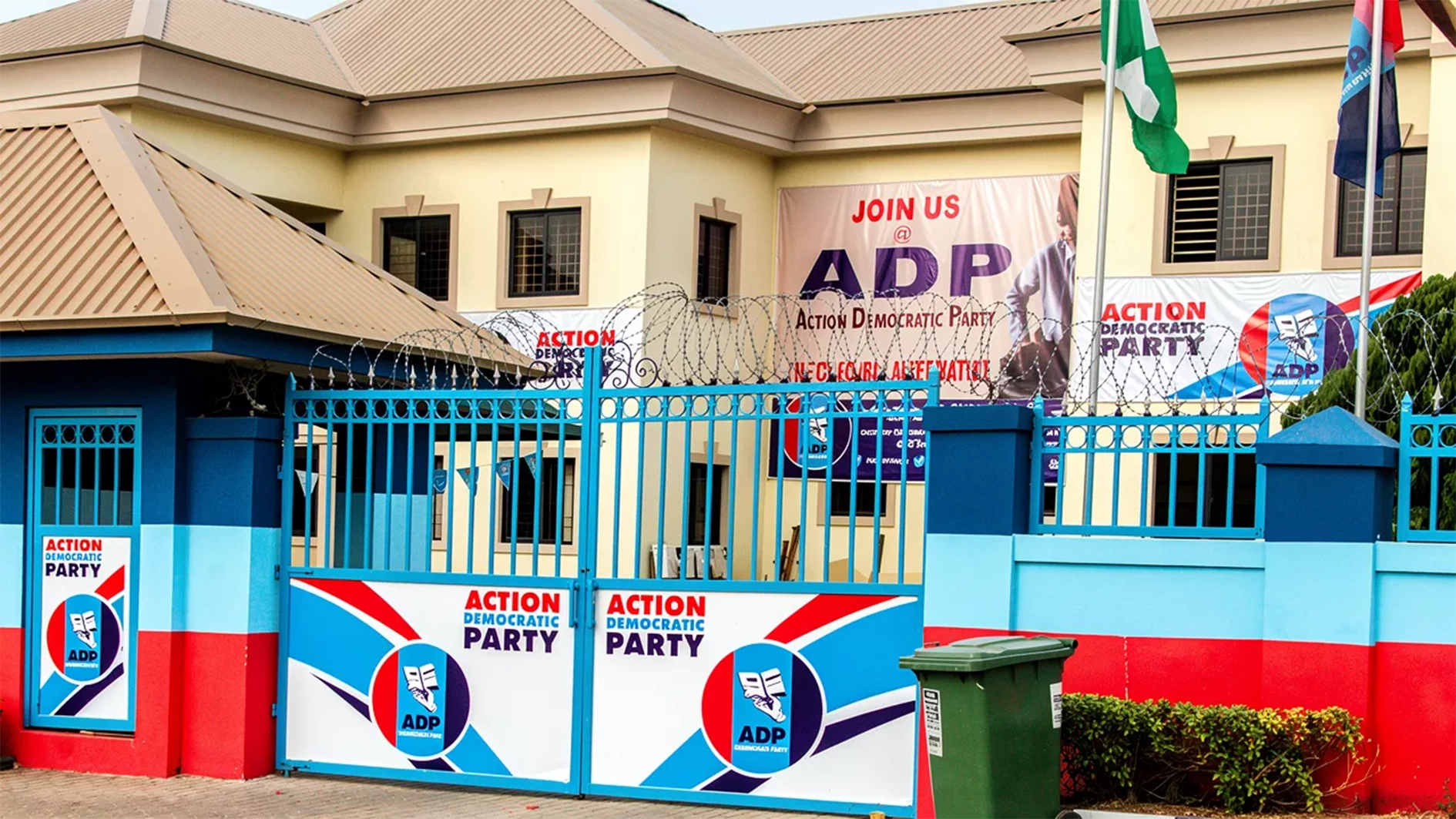
The opposition Action Democratic Party (ADP) has strongly condemned alleged post-legislative alterations to Nigeria’s Tax Act 2025, dismissing claims of a “printer’s error” as indefensible and warning that the controversy reflects a deeper crisis of governance under President Bola Ahmed Tinubu’s administration.
Speaking at a State of the Nation address in Abuja on Monday, the National Chairman of the ADP, Engr. Yabagi Yusuf Sani, described the reported alterations as a “grave constitutional violation” that strikes at the heart of parliamentary authority and democratic accountability.
“You cannot explain away alterations to an Act of Parliament as a printer’s devil. Defending the indefensible is itself a slap on Nigerians and a clear sign of government failure,” Sani said.
He stressed that legislative authority rests solely with the National Assembly and warned that any tampering with laws after passage, if established, amounts to an unforgivable assault on constitutional order.
“If there are errors or policy concerns, the law is clear. Government must return to Parliament, propose amendments, and convince lawmakers. Smuggling clauses into a law already passed is not reform—it is abuse,” he added.
Sani noted that while Nigeria urgently needs tax administration reform, such reforms must not be implemented in ways that punish ordinary citizens or undermine public trust.

He acknowledged ongoing efforts to modernise the tax system and said policies aimed at shifting the tax burden from the poor to the wealthy, alongside targeted tax breaks, could help stimulate economic growth if transparently implemented.
“We commend aspects of the reform agenda that seek fairness and efficiency. But reform loses legitimacy when process is violated and the burden is placed disproportionately on struggling Nigerians,” he said.
Beyond the tax controversy, the ADP chairman painted a bleak picture of worsening economic hardship since the Tinubu administration launched major policy changes in 2023, including fuel subsidy removal and foreign exchange unification.
According to figures cited by the party, inflation rose above 33 per cent in 2024, food inflation exceeded 40 per cent, and more than 60 per cent of households have experienced declining real incomes.
He claimed that food now consumes over 60 per cent of household earnings among low-income Nigerians, while small and medium-scale businesses continue to shut down under rising costs.
“What Nigerians are experiencing is pain without protection. Economic reform must not translate into economic punishment,” Sani said.
He also criticised persistent budget execution failures, noting that by late 2025, less than 20 per cent of the federal capital budget had been released, stalling infrastructure projects and worsening unemployment.
On democratic inclusion, Sani who spoke on various issues of national importance lamented Nigeria’s poor record on women’s political representation, describing it as among the lowest globally.
He noted that women make up nearly half of Nigeria’s population but hold less than four per cent of seats in the National Assembly.
Calling for constitutional reforms, he advocated the introduction of special or reserved legislative seats for women, arguing that many democracies have used affirmative frameworks to correct historic exclusion.
The ADP chairman also warned that rising youth unemployment, emigration pressures, shrinking civic space, and frequent protests are signs of a democracy under strain, insisting that labour unrest and public demonstrations should be seen as symptoms of governance failure rather than security threats.
He accused the administration of concentrating economic and political power within narrow corridors, a trend he said undermines federal character, national cohesion, and confidence in public institutions.
Sani concluded by calling for a systemic national reset anchored on accountability, disciplined public finance, inclusive democracy, and social protection, insisting that Nigeria does not need propaganda but competence, courage, and respect for constitutional processes.
As economic pressures mount and public trust continues to erode, he said the unfolding tax controversy would test the government’s commitment to transparency, accountability, and the rule of law.

