 Follow Us on Google News
 Follow Us on Google Discover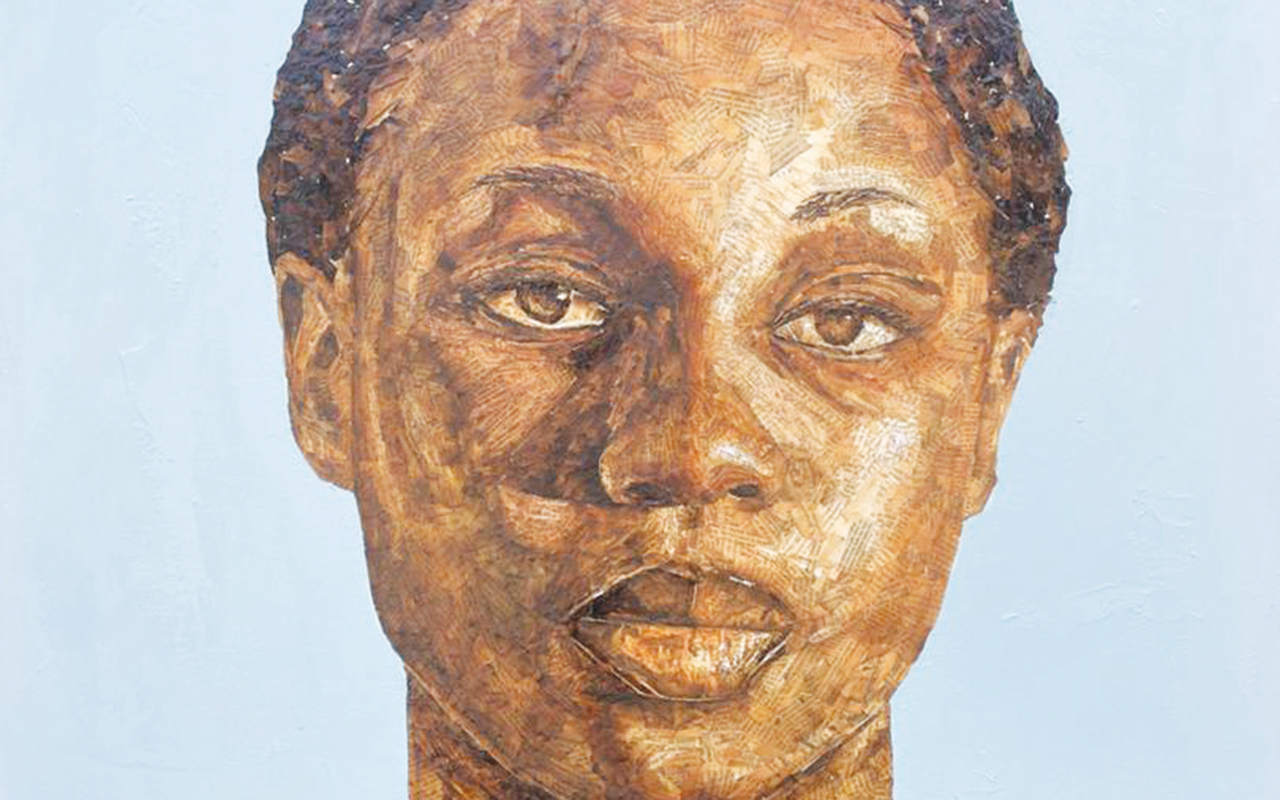
For the Badagry Young Contemporaries (BYC), under the umbrella of the Badagry Contemporary Art Foundation, it has become imperative to reaffirm commitment in reshaping cultural and artistic narrative of Badagry while asserting its relevance within the broader Nigerian art ecosystem.
Curated by Paul Ayihawu, the second yearly group show brings together nine artists whose practice engages history, spirituality, tradition, and modern realities from community-centered perspectives.
Titled, Gbeto: An ode to humanism, the show was held at the Heritage Museum, Badagry, Lagos. The exhibiting artists include, Muyideen Olayinka, Mariam Olubunmi, Andrew Nathan, Larry The Great, Gbolahan Shonibare, Sejiro Mesewaku, Muktar Mustafa, Emenandu Moses and Ogunshola Clinton.
Olayinka’s practice is rooted in observation and material sensitivity, often engaging themes of memory, labour, and the quiet rhythms of everyday life. His works reflect an attentiveness to social environments shaped by history and survival, translating lived experiences into visual narratives that speak to resilience and human dignity.
Within the exhibition, Olayinka’s contribution foregrounds subtle forms of endurance embedded in communal life.
Olubunmi works at the intersection of spirituality, healing, and identity. Her signature pyro-collage technique—burning, layering, and reconstructing materials on mirrored surfaces—emerges from a deeply personal journey of survival and renewal. Her portraits function as sites of reflection, implicating the viewer while affirming the persistence of cultural identity.
Her works embodies spirituality as an everyday practice, rooted in Ogu philosophy and the consciousness of Mau—the divine essence within the human.

Nathan confronts the traumatic histories of the transatlantic slave trade with unflinching intensity. His paintings reject romanticised narratives, instead presenting history through heightened emotional states, expressive faces, and recurring red hues that evoke violence, pain, and resistance. Nathan’s figures operate as witnesses, asserting human dignity in the face of historical brutality. In works such as Black Jesus, he critiques the manipulation of religion as a tool of oppression, calling for spiritual awareness rather than blind faith.
Mesewaku’s work is deeply informed by Ogu cultural heritage and the performative traditions of Badagry. His paintings translate rhythm, movement, and sound into visual form, capturing the vitality of traditional dances, rituals, and communal gatherings. In Rhythm of the Ancestors, Mesewaku positions tradition as a living archive—dynamic, evolving, and essential to contemporary identity rather than a relic of the past.
A pop graffiti artist, Larry The Great, brings a bold, vibrant visual language to the exhibition. Drawing from street culture, urban fantasy, and contemporary realities, his work balances playfulness with introspection. Beneath the bright colours and animated figures lies a meditation on patience, struggle, and self-becoming. Larry’s practice reflects the adaptability of Ogu and Nigerian identities, situating modern expression within the pulse of urban life.
This year’s show builds on BYC’s curatorial vision of using art as a tool for cultural reclamation, social reflection, and human connection.
Through painting, mixed media, digital works, and experimental approaches, the artists collectively examine Badagry’s layered histories, Ogu humanism, spiritual consciousness, and contemporary socio-economic realities.
The show positions Badagry not as a peripheral art location, but as an active site of contemporary cultural production and critical thought.
The exhibition received major support from Adegbola Art Project and the Lagos State Ministry of Tourism, Arts and Culture, whose backing underscores the growing institutional recognition of Badagry’s cultural potential and the importance of decentralizing the Lagos-centric art narrative.
Beyond the exhibition space, BYC’s activities in 2025 extended into Lagos through the BYC Art Salon, held at the British Council Nigeria as part of the Creative Showcase Weekend from November 22 to 23, 2025. Supported by the British Council Nigeria, the Art Salon was conceived as an alternative exhibition platform designed to give emerging artists visibility before a more diverse, curious, and engaged audience.
The two-day showcase culminated in an artist talk themed “Art as a Tool for Community Building and Cultural Preservation.” The conversation brought artists, curators, and cultural practitioners into dialogue around the role of creative practice in sustaining heritage, fostering collective identity, and responding to local realities. The session reinforced BYC’s belief that art functions not only as aesthetic expression but as social infrastructure.
Speaking on the significance of the year’s programming, Ayihawu emphasized BYC’s long-term vision: “This second annual exhibition is about continuity—showing that Badagry has stories to tell, artists to nurture, and ideas that matter within national and global conversations.”
As BYC closes the year with its December exhibition, the organisation continues to position Badagry as a vital cultural node—one where memory, community, and contemporary art intersect to imagine more inclusive futures for Nigerian art.
The exhibition runs from December 21, 2025 to January 10, 2026.

